Best indoor cat breeds for UK homes
The best indoor cat breeds are usually calm, people-focused cats that are happy to watch the world from a windowsill rather than roam outside. Ragdolls, British Shorthairs, Persians, Birmans and Russian Blues top most lists, while energetic breeds such as the Bengal need lots of play to thrive indoors. This guide compares 12 breeds and explains how to keep any indoor cat healthy and content.
Quick answer
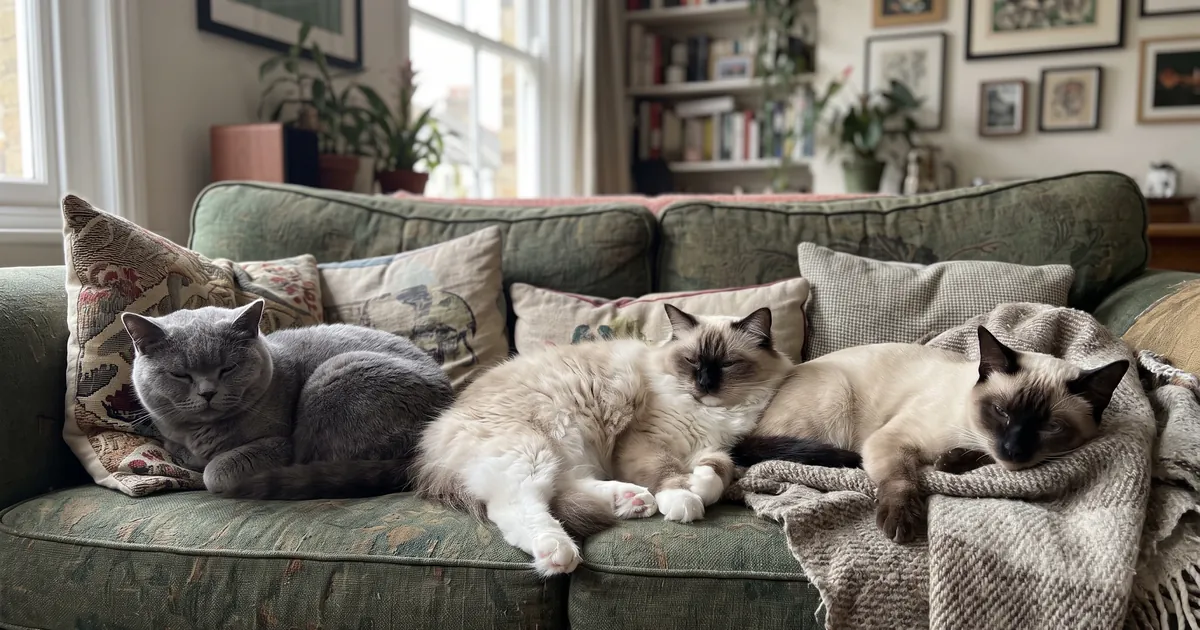
- Top calm indoor breeds: Ragdoll, British Shorthair, Persian, Exotic Shorthair, Birman and Russian Blue.
- Active, people-loving breeds such as Burmese, Devon Rex and Sphynx do well indoors with plenty of play and company.
- Very energetic breeds such as the Bengal and Siamese can live indoors but need daily enrichment.
- A friendly moggy from a rescue can be just as good an indoor cat as any pedigree.
What makes a good indoor cat breed?
Any cat can live happily indoors if its needs are met, but some breeds find it easier. Good indoor cat breeds tend to be:
- Calm or moderately active, rather than intensely energetic.
- People-focused, enjoying company and lap time.
- Adaptable to routine and smaller spaces.
- Less driven to roam and hunt.
Personality varies within every breed, and how a kitten is raised matters as much as its genes. Always meet the kitten and its mother, and ask the breeder or rescue about temperament.
The best indoor cat breeds compared
| Breed | Energy | Affection | Grooming | Size | Typical UK kitten price |
|---|---|---|---|---|---|
| Ragdoll | Low–medium | Very high | Moderate | Large | £800–£1,500 |
| British Shorthair | Low | Medium | Low | Medium–large | £800–£1,500 |
| Persian | Low | High | Very high (daily) | Medium | £700–£1,500 |
| Exotic Shorthair | Low | High | Low–moderate | Medium | £700–£1,400 |
| Birman | Low–medium | High | Moderate | Medium–large | £600–£1,000 |
| Russian Blue | Medium | Medium (shy with strangers) | Low | Medium | £600–£1,000 |
| Burmese | Medium–high | Very high | Low | Medium | £600–£1,000 |
| Devon Rex | High | Very high | Low | Small–medium | £700–£1,200 |
| Sphynx | High | Very high | Weekly bathing | Medium | £1,000–£2,000 |
| Maine Coon | Medium | High | Moderate–high | Very large | £800–£1,500+ |
| Siamese | High | Very high (vocal) | Low | Medium | £500–£1,000 |
| Moggy (non-pedigree) | Varies | Varies | Varies | Varies | Rescue fee £50–£150 |
Prices are indicative for registered, health-tested kittens from UK breeders and vary by line, colour and region. Very cheap pedigree kittens are a warning sign.
1. Ragdoll
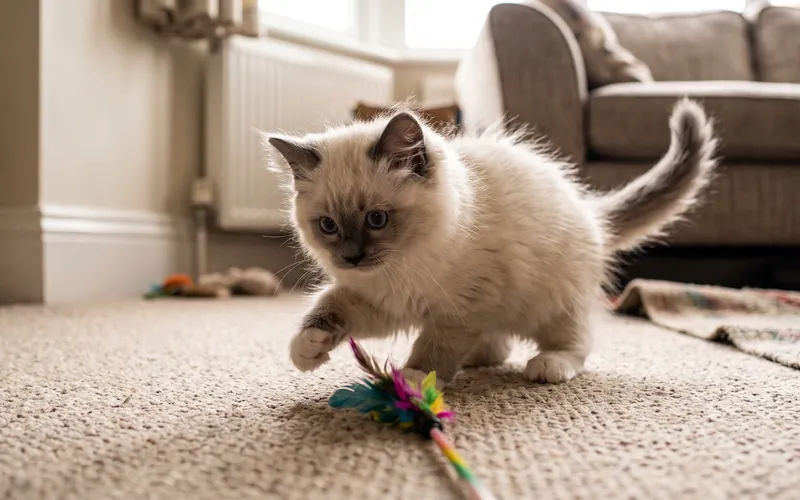
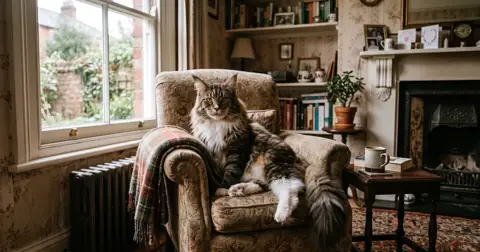
Ragdolls are famously laid-back and affectionate, and many go limp when picked up. They usually prefer to stay close to their people, are gentle with children and other pets, and are content indoors. Their semi-long coat doesn't mat as easily as a Persian's, but needs combing a couple of times a week. Read our full Ragdoll cat guide.
2. British Shorthair
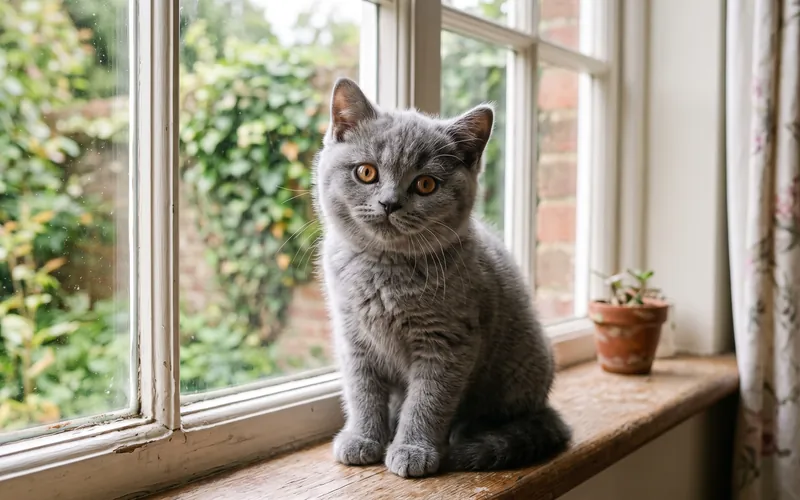
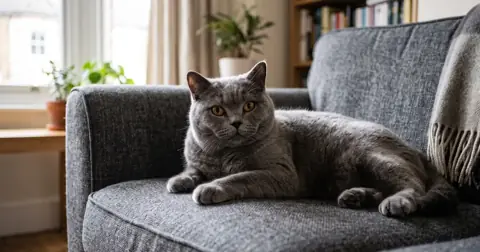
Calm, sturdy and independent, British Shorthairs are happy to lounge at home and enjoy company without demanding constant attention. They're one of the UK's most popular pedigree breeds. They tend to gain weight easily, so indoor British Shorthairs need measured meals and daily play. See our British Shorthair guide.
3. Persian
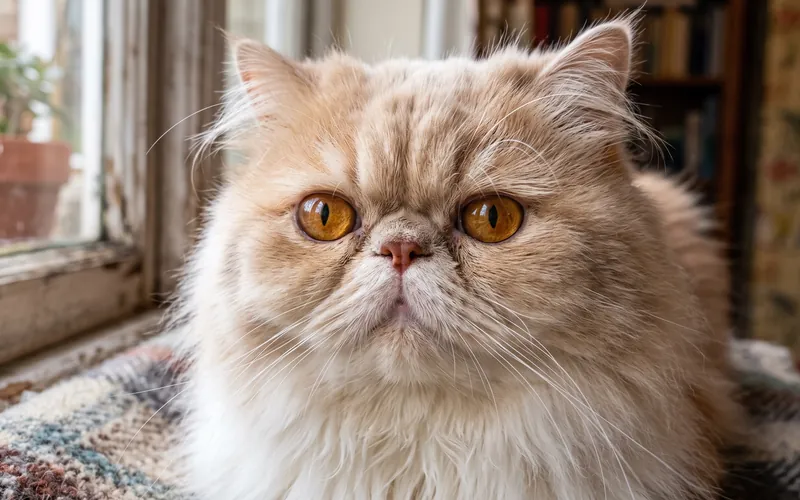
Persians are quiet, gentle and love a peaceful home. They're among the most classic indoor cats, but their long coat needs daily grooming, and their flat faces can cause breathing and eye problems. Read our Persian cat guide.
4. Exotic Shorthair
Often called the "lazy person's Persian", the Exotic has the Persian's calm personality and teddy-bear look with a short, plush coat that's much easier to care for. Like Persians, they're flat-faced, so choose breeders who avoid extreme features.
5. Birman
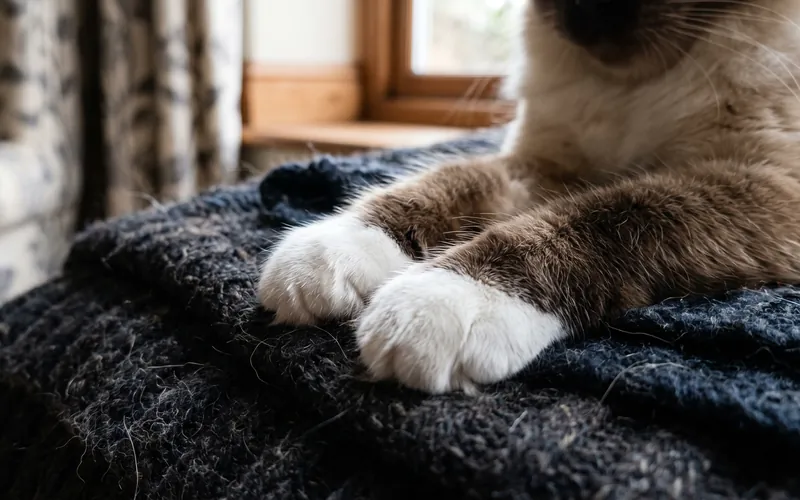
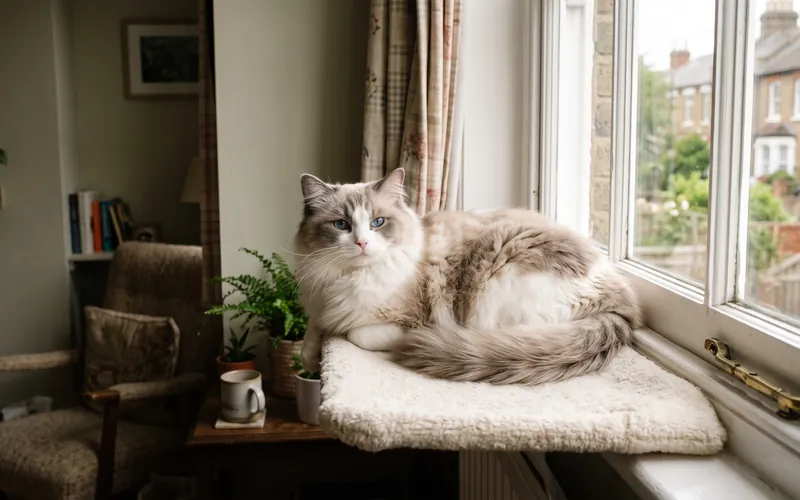
Birmans are gentle, sociable and quietly playful, with striking blue eyes and white "gloves" on their paws. They enjoy company and adapt well to indoor life. Their silky semi-long coat mats less than many long-haired breeds. See our Birman cat guide.
6. Russian Blue
Russian Blues are quiet, loyal and often reserved with strangers, but deeply attached to their family. They like routine, making them good indoor companions in calm homes. They're sometimes said to be better for people with mild cat allergies, but no cat is truly hypoallergenic.
7. Burmese
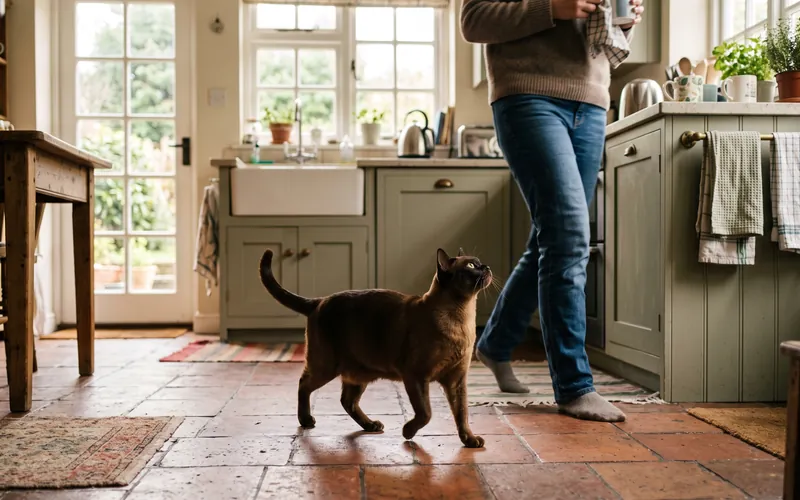
Burmese cats are extremely people-oriented and playful. They hate being left alone for long periods, so they suit homes where someone is around, or homes with two cats. Their short coat is easy to care for. Read our Burmese cat guide.
8. Devon Rex
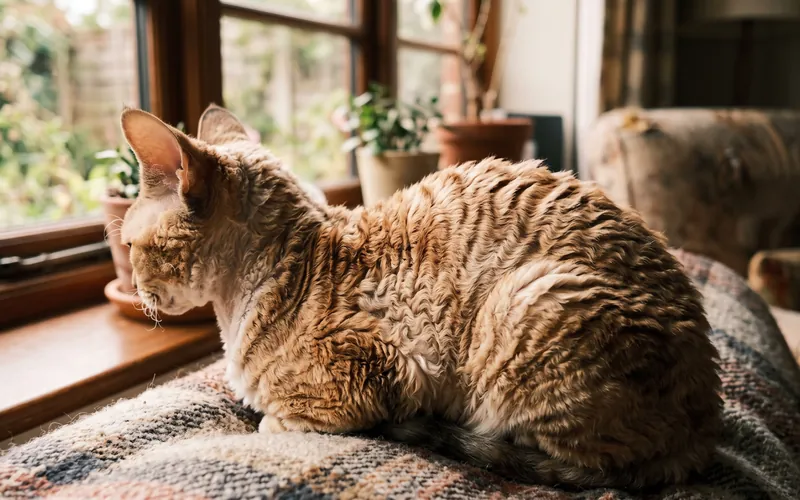
With huge ears and a soft, wavy coat, the Devon Rex is lively, mischievous and very affectionate, often perching on shoulders. They love warmth and company, which makes them happy indoors with plenty of play. See our Devon Rex guide.
9. Sphynx
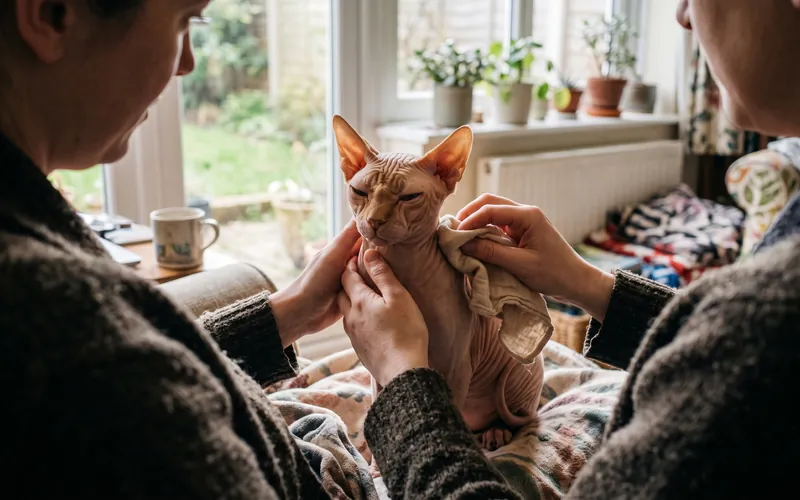
The hairless Sphynx is outgoing, energetic and loves attention. Without fur, they're vulnerable to cold and sunburn, so they're best kept indoors or given supervised, sheltered outdoor time. They need regular baths to remove skin oils. Read our Sphynx cat guide.
10. Maine Coon
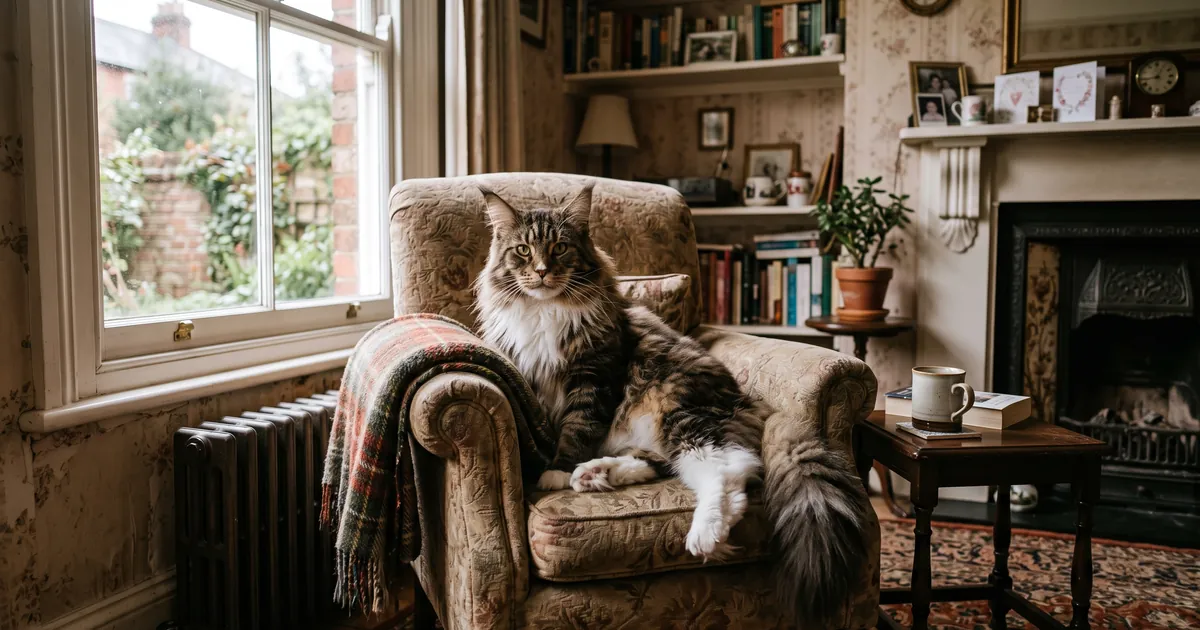
Maine Coons are gentle giants: friendly, sociable and good with families. They can live indoors, but they're large and active, so they need tall, sturdy cat trees and plenty of space and play. See our Maine Coon guide.
11. Siamese
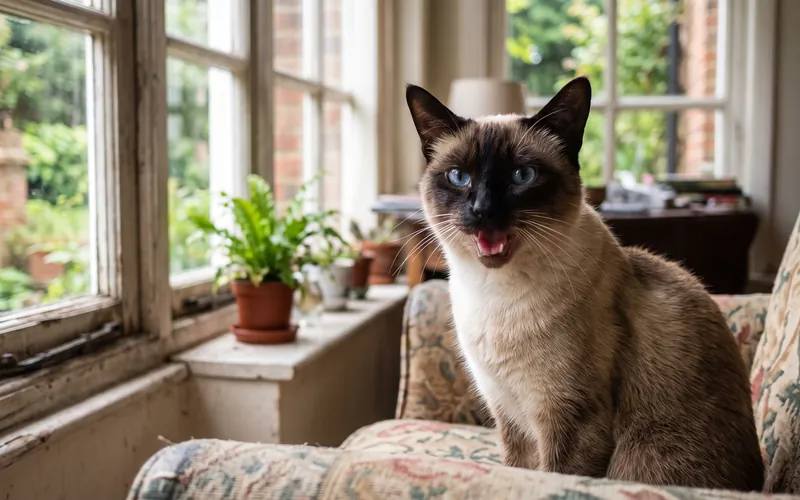
Siamese cats are intelligent, talkative and intensely social. They can be wonderful indoor cats for owners who are home often and enjoy interacting, but they get bored and noisy without stimulation and company. Read our Siamese cat guide.
12. The humble moggy
Non-pedigree cats make up most of the UK's cat population and many make excellent indoor pets. Rescue centres can match you with an adult cat whose personality is already known, including cats that need to live indoors for health reasons. Our guide on how to foster a cat explains how rescues work.
Breeds that are harder to keep indoors
Highly active, independent or hunting-driven breeds may become frustrated indoors without a lot of enrichment:
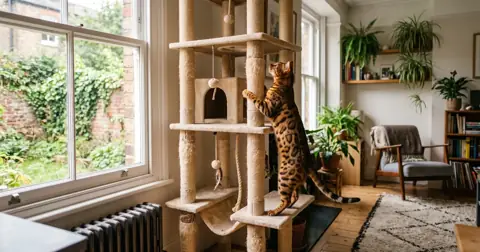
- Bengal: very energetic, curious and athletic; needs lots of climbing, play and puzzles.
- Abyssinian: busy and explorative.
- Savannah: large, very active hybrid breed with high needs.
- Norwegian Forest and Siberian: hardy, outdoorsy cats that love climbing; they can adapt indoors with tall trees and play.
These breeds can still be indoor cats, but a secure garden enclosure or catio can make a big difference. High-energy cats often behave better with structured daily play; see our guide to whether cats can have ADHD.
Breeds to think carefully about
Some breeds have been selected for features linked to welfare problems. The Scottish Fold, for example, carries a gene that affects cartilage throughout the body and causes painful joint disease; it isn't recognised by the GCCF in the UK. Very flat-faced (brachycephalic) cats can have breathing and eye problems. If you choose a breed like the Persian or Exotic, look for breeders who avoid extreme faces.
Most common and most popular cat breeds in the UK
The vast majority of UK cats are moggies. Among pedigree cats, registration figures and surveys regularly place the British Shorthair, Ragdoll, Bengal, Maine Coon, Siamese, Persian, Sphynx, Birman and Burmese among the most popular. Popularity doesn't mean a breed will suit your home, so match the breed's needs to your lifestyle.
Friendly and affectionate cat breeds
If you want a cuddly companion, look at the Ragdoll, Burmese, Birman, Siamese, Tonkinese, Devon Rex and Sphynx. These breeds tend to seek out people, follow you around and enjoy laps. More independent breeds, such as the British Shorthair and Russian Blue, are affectionate on their own terms.
Best indoor cat breeds for different households
Best indoor cat breeds for families with children
Families usually do best with tolerant, sociable cats that don't mind noise and handling. Ragdolls, Birmans, Maine Coons and British Shorthairs are often recommended, as they tend to be patient and confident. Very young kittens can be fragile and scratchy, so families with toddlers may find a calm adult cat from a rescue easier. Whatever the breed, teach children to stroke gently, let the cat approach, and leave it alone when it walks away. Our guide on why cats bite has tips for children.
Best indoor cat breeds for older people
Quiet, affectionate breeds that enjoy lap time and a steady routine suit many older owners: the British Shorthair, Ragdoll, Persian, Exotic Shorthair, Birman and Russian Blue. An adult or senior cat from a rescue is often a better match than a kitten, with a settled personality and lower energy. Think about grooming needs, as daily brushing of a long coat can be tiring.
Best indoor cat breeds for people with allergies
No cat is truly hypoallergenic. Cat allergies are mainly caused by a protein called Fel d 1, found in saliva and skin, not just fur. Some owners with mild allergies report fewer symptoms with breeds such as the Siberian, Russian Blue, Devon Rex or Sphynx, but individual cats vary a lot. Spend time with the breed, and ideally the specific cat, before committing. Regular cleaning, keeping cats out of bedrooms and using an air purifier help too.
Best indoor cat breeds for first-time owners
First-time owners often do well with easy-going, low-maintenance breeds such as the British Shorthair, Birman or Ragdoll, or with a friendly adult moggy whose personality is already known. These cats are adaptable and forgiving of beginner mistakes. Breeds with very high grooming needs (Persian), high energy (Bengal) or special care needs (Sphynx) are better suited to owners with some experience.
Best indoor cat breeds if you work full time
Independent, calm breeds cope better with being alone during the day: the British Shorthair, Russian Blue, Persian and Exotic Shorthair are good options. Highly social breeds such as the Burmese, Siamese, Devon Rex and Sphynx often become lonely or noisy if left alone all day, and may do better with a companion cat. Puzzle feeders, window perches and a play session before and after work make a big difference. For holidays, our guide to cat sitters explains how to keep your cat's routine going while you're away.
Kitten or adult cat for indoor life?
Kittens are fun but demanding, with lots of energy, scratching and climbing for the first year or two. An adult cat from a rescue has a known personality, energy level and history, so you can choose one that's already happy indoors. Many rescues have cats that must live indoors for health reasons, such as FIV-positive cats, deaf cats or cats with limited sight, which make wonderful indoor companions.
Long-haired or short-haired indoor cat?
Long-haired breeds such as the Persian, Maine Coon and Ragdoll look stunning but need regular brushing to prevent mats and hairballs; Persians need daily care. Short-haired breeds such as the British Shorthair, Burmese and Russian Blue need much less grooming. Indoor cats often moult year-round because of central heating, so expect some fur on furniture whatever you choose. Our guide to cat hairball remedies explains how to manage swallowed fur.
How to keep an indoor cat happy
- Play every day: at least two 10–15 minute sessions with wand toys.
- Go vertical: tall cat trees, shelves and window perches.
- Provide scratching posts in several rooms. See our guide on stopping a cat scratching carpet.
- Offer hiding places and quiet resting spots.
- Use puzzle feeders to slow eating and add mental exercise.
- Grow cat grass for safe chewing, and keep toxic plants out. Check with our toxic plant checker.
- Keep litter trays spotless: one per cat plus one.
- Consider a catio or secure garden for safe fresh air.
- Watch weight: indoor cats burn fewer calories. Use our cat food calculator.
Indoor cat checklist: what you need before your cat arrives
- Litter trays (one per cat plus one) and unscented litter.
- Food and water bowls, ideally wide and shallow, plus a water fountain.
- A tall, sturdy cat tree and at least two scratching posts or mats.
- Beds in quiet spots, plus a covered hiding place.
- Wand toys, balls and a puzzle feeder.
- A secure carrier for vet visits.
- Window restrictors or cat-proof mesh for open windows and balconies.
- Cat grass, and a check of every houseplant for toxicity.
How much does an indoor cat cost a month?
| Cost | Typical monthly UK cost |
|---|---|
| Food (complete wet and dry) | £20–£50 |
| Litter | £8–£20 |
| Flea and worm prevention | £5–£15 |
| Insurance | £8–£30 |
| Toys, scratchers and replacements | £5–£10 |
| Vaccinations and check-up (spread over the year) | £4–£6 |
| Total | about £50–£130 |
Pedigree breeds often cost more to insure, and long-haired breeds may need professional grooming. Read our guides to cat vaccination costs and neutering costs for one-off expenses.
Signs your indoor cat needs more stimulation
Even the calmest indoor breed can become bored. Watch for these signs, which usually mean your cat needs more play, climbing or company:
- Night-time yowling or racing around the house.
- Over-grooming or bald patches.
- Scratching furniture or carpets more than usual.
- Weight gain, or eating out of boredom.
- Ambushing ankles or biting during play.
- Toileting outside the tray, which can also signal stress or illness.
Small changes often help quickly: an extra play session, a new cat tree by a window, rotating toys weekly, or a puzzle feeder for one meal a day. If your cat's behaviour changes suddenly, book a vet check first, as pain and illness can look like boredom.
Indoor vs outdoor cats in the UK
Most UK cats have some outdoor access, and many welfare organisations consider safe outdoor access beneficial. Indoor living can be a good choice in busy cities, near main roads, for cats with health conditions, for deaf or blind cats, and for some pedigree breeds. Whatever you choose, make sure your cat's environment allows it to climb, scratch, hide, hunt (through play) and rest undisturbed.
Buying a pedigree indoor cat responsibly
- Choose a breeder registered with the GCCF or another recognised registry, and check whether they need a council licence.
- Ask for proof of breed-specific health tests for both parents.
- See the kitten with its mother, and expect to visit before collection.
- Kittens should go home no earlier than 12 to 13 weeks old, vaccinated, microchipped and wormed.
- Arrange insurance from day one; see our guide to cat insurance.
FAQs
What is the best indoor cat breed?
There's no single best breed, but the Ragdoll, British Shorthair, Persian, Birman and Russian Blue are often recommended because they're calm, adaptable and enjoy home comforts. The best choice depends on how much grooming, attention and play you can provide.
What are the most affectionate cat breeds?
Ragdolls, Burmese, Birmans, Siamese, Devon Rex and Sphynx cats are known for being especially affectionate and people-focused. Many love sitting on laps and following their owners around.
Are indoor cats happy?
Indoor cats can be very happy if their needs are met: daily play, places to climb and hide, scratching posts, window views, a clean litter tray and plenty of attention. Without enrichment, indoor cats can become bored, stressed or overweight.
What are the most common cat breeds in the UK?
Most UK cats are non-pedigree 'moggies' (domestic shorthairs and longhairs). Among pedigree breeds, the British Shorthair, Ragdoll, Bengal, Maine Coon, Siamese and Persian are among the most popular.
Which cat breeds are best for flats?
Calm, adaptable breeds such as the British Shorthair, Ragdoll, Persian, Exotic Shorthair, Birman and Russian Blue usually suit flat living. Make sure windows and balconies are cat-proofed.
Which cat breeds should be kept indoors?
No breed has to be kept indoors, but some owners keep valuable, very trusting or flat-faced breeds indoors for safety. Hairless breeds such as the Sphynx are vulnerable to cold and sunburn, so they're usually kept indoors or given only supervised outdoor time.
Sources and further reading
This guide is for general information only and is not a substitute for advice from a vet. Medicines, doses and costs change: always follow your vet and the product leaflet. If your cat is unwell or you think it has eaten something toxic, contact your vet or an emergency vet straight away.