Siberian cat: the Siberian forest cat in the UK
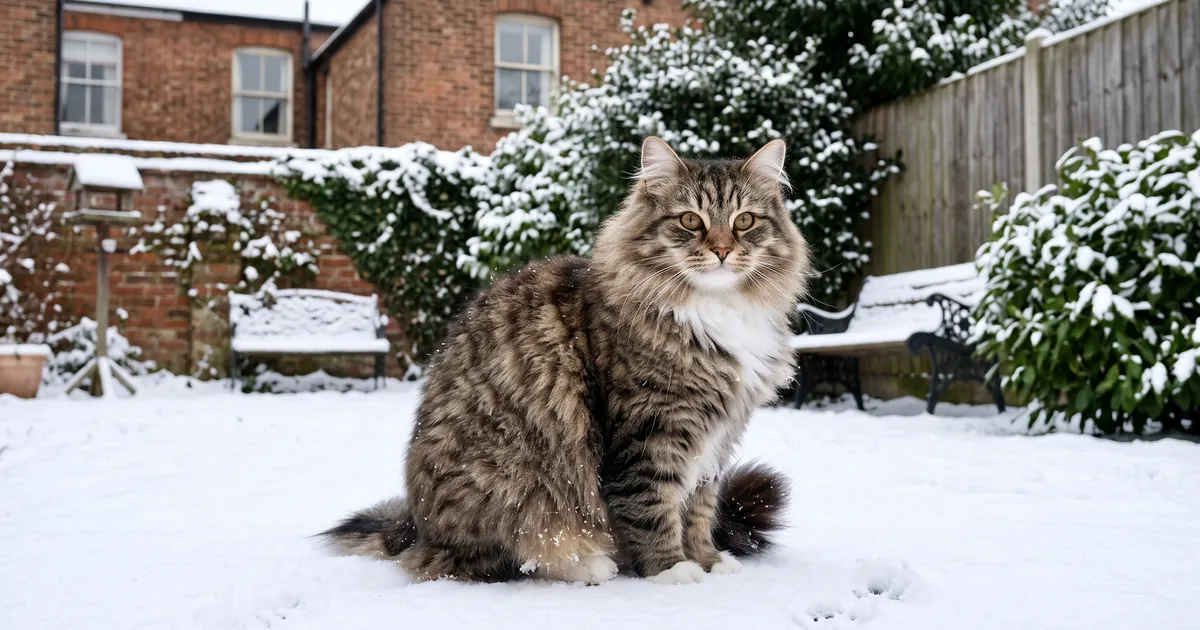
The Siberian cat, also called the Siberian forest cat, is a sturdy, semi-long-haired breed from Russia with a thick, weatherproof coat and a warm, playful personality. Siberians are often described as dog-like and are popular with families. Some people with mild cat allergies say they react less to Siberians. In the UK, a registered Siberian kitten usually costs £1,000 to £2,000.
Quick answer
- Siberians are strong, playful and affectionate, often good with children and other pets.
- Their triple coat is water-resistant and moults heavily in spring and autumn.
- Some Siberians produce less Fel d 1, the main cat allergen, but no cat is truly hypoallergenic.
- UK kittens usually cost £1,000–£2,000; ask breeders about HCM heart scans.
Siberian cat at a glance
| Trait | Siberian |
|---|---|
| Size | Medium to large, powerful |
| Weight | Females 4–6 kg, males 5.5–8 kg |
| Coat | Semi-long triple coat, water-resistant |
| Grooming | Weekly; more during moults |
| Energy | Medium to high |
| Temperament | Affectionate, playful, confident, intelligent |
| Lifespan | Around 12–18 years |
| UK kitten price | £1,000–£2,000 |
History of the Siberian forest cat
Siberians developed naturally in the forests of Russia, where cold winters favoured cats with thick coats, strong bodies and good hunting skills. They have lived alongside people in Russia for centuries and are considered a national treasure there. Organised breeding began in the 1980s, and Siberians arrived in the UK in the early 2000s. The breed is now recognised by the GCCF and other registries.
Appearance
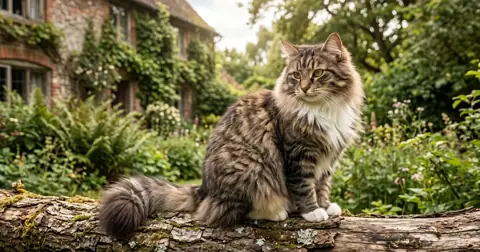
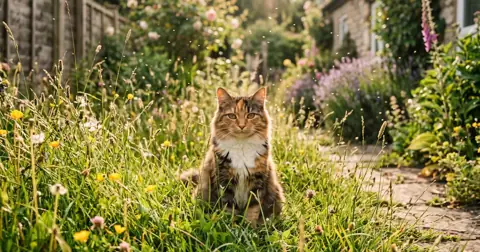
Siberians are rounded and solid, with a broad head, large rounded eyes, medium ears with tufts, strong legs and a thick, bushy tail. Their coat has three layers: a long, oily, water-repellent topcoat, a middle layer and a dense undercoat. They come in almost every colour and pattern, with brown tabby being classic. The colourpoint variety, with blue eyes, is often called the Neva Masquerade.
Siberian cat personality
- Affectionate: they enjoy company and often greet owners at the door.
- Playful: many play fetch and stay kitten-like for years.
- Confident: usually unflustered by visitors, children and other pets.
- Intelligent: they learn routines and enjoy puzzle toys.
- Agile climbers: they love high perches and sturdy cat trees.
- Water-tolerant: some play in water bowls or taps.
Siberians tend to be less vocal than Siamese, with soft trills and chirps.
Are Siberian cats hypoallergenic?
This is the question many owners ask first. Cat allergies are mostly caused by a protein called Fel d 1, found in saliva, skin and sebaceous glands. When cats groom, Fel d 1 spreads onto their fur and then into the home on shed hair and dander.
Research suggests that some Siberians produce lower levels of Fel d 1 than average, so some people with mild allergies find they react less. However:
- Fel d 1 levels vary widely between individual Siberians, and even between seasons.
- Males usually produce more than females, and unneutered males the most.
- No cat is allergen-free, and people with severe allergies or asthma may still react strongly.
If you have allergies, spend several hours with the specific cat (and ideally its parents) before committing, speak to your GP, and consider whether you can manage symptoms long term. Some breeders offer saliva testing for Fel d 1. Read more about allergies in our guide to whether cats can get hayfever, which also explains environmental allergies in cats themselves.
Living with a Siberian: tips for allergy sufferers
If you have mild allergies and decide a Siberian is right for you, these steps can help reduce symptoms:
- Choose a female or a neutered male, which usually produce less Fel d 1.
- Keep your cat out of the bedroom.
- Vacuum often with a HEPA-filter vacuum, and wash bedding and throws regularly.
- Use an air purifier in the main living area.
- Groom your cat outdoors or ask someone without allergies to do it.
- Wash your hands after stroking your cat.
Talk to your GP or an allergy specialist before getting any cat if you have asthma.
Siberians with children and other pets
Siberians are usually sturdy, confident and patient, which makes them a good match for families with children who are taught to handle cats gently. Most get on well with other cats and cat-friendly dogs after a gradual introduction. Their playful nature means they enjoy interactive games with older children, using wand toys rather than hands.
Caring for a Siberian
Grooming
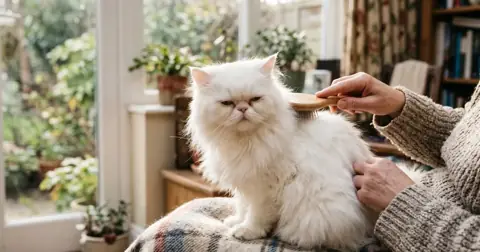
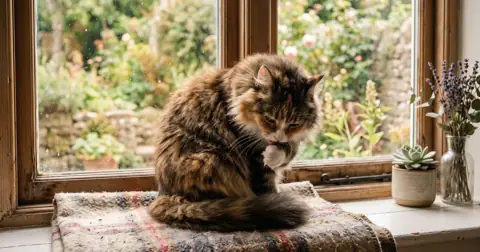
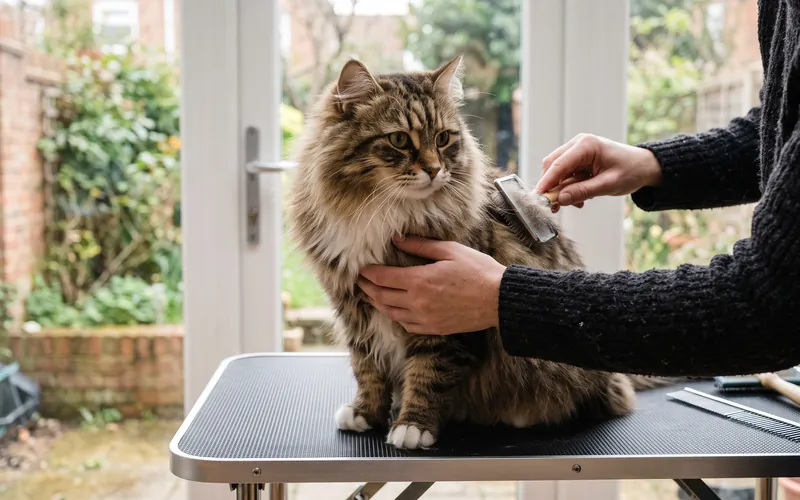
A weekly comb is usually enough for most of the year, but Siberians moult heavily in spring and autumn, when daily brushing helps prevent mats and hairballs. Pay attention to the ruff, belly and back legs. Our guide to hairball remedies explains how to manage swallowed fur.
Exercise and enrichment
Siberians are athletic and need climbing space, daily play and things to do. Many enjoy secure outdoor access or a catio.
Diet and weight
Feed a complete, good-quality diet and monitor weight; Siberians are naturally solid but shouldn't become overweight. Check with our cat weight checker.
Siberian cat health
Siberians are generally robust, but breeders should screen for:
| Condition | Screening |
|---|---|
| Hypertrophic cardiomyopathy (HCM) | Regular heart scans (echocardiograms) of breeding cats |
| Polycystic kidney disease (PKD) | Ultrasound or DNA testing in some lines |
| Pyruvate kinase deficiency | DNA test in some lines |
| Dental disease | Regular dental care |
Pedigree cats often cost more to insure; see our guide to cat insurance.
Siberian cat price in the UK
| Option | Typical UK cost |
|---|---|
| Registered pet kitten | £1,000–£2,000 |
| Neva Masquerade or rare colours | £1,200–£2,500 |
| Show or breeding quality | £2,000+ |
| Rehomed adult | £100–£300 |
Finding Siberian cats for sale in the UK
- Contact Siberian breed clubs via the GCCF for breeder lists across the UK, including London and the South East.
- Ask about health screening: HCM scans, PKD status and any other tests.
- If you have allergies, ask whether you can spend time with the kittens and adults before reserving.
- Visit the kittens with their mother and check the environment is clean and the kittens are confident.
- Check paperwork: registration, vaccinations, microchip and contract.
- Collect at around 13 weeks or older.
Because Siberians are expensive and in demand, scams are common online. Never pay a deposit for a kitten you haven't seen with its mother, and be wary of sellers who only communicate by message or offer delivery.
Siberian cat rescue and adoption
Siberian breed clubs and rescue groups rehome Siberians whose owners can no longer keep them, and general rescues sometimes have Siberians or long-haired crosses. Adopting an adult lets you know its personality, and if you have allergies, how you react to that particular cat. Learn how rescues work in our guide on how to foster a cat.
Siberian vs Norwegian Forest vs Maine Coon
| Siberian | Norwegian Forest | Maine Coon | |
|---|---|---|---|
| Origin | Russia | Norway | USA |
| Body | Rounded, solid | Long, triangular head | Rectangular, very large |
| Size | Medium–large | Medium–large | Very large |
| Coat | Triple, dense | Double, glossy | Shaggy, uneven length |
| Temperament | Playful, affectionate | Independent, friendly | Sociable gentle giant |
Read our guides to the Norwegian Forest cat and Maine Coon to compare.
The cost of owning a Siberian
Beyond the higher purchase price, Siberians cost about the same to keep as other medium-to-large cats. Budget for good-quality food, sturdy climbing furniture, grooming tools for moulting season and pet insurance. Routine care such as vaccinations and neutering is covered in our guides to cat vaccination costs and neutering costs.
Siberian kittens
Siberian kittens are confident, curious and full of energy. They grow steadily and may not reach full size, coat and personality until around 5 years old. Socialised kittens from a home environment adapt quickly to family life. Kitten-proof your home, start gentle grooming early and give plenty of climbing opportunities.
Is a Siberian right for you?
A Siberian may be perfect if you want a playful, affectionate, sturdy cat that suits family life, and you can cope with seasonal moulting. It may not suit you if you have severe allergies, want a low-grooming cat, or prefer a very quiet, inactive companion. Compare with other breeds in our guide to the best indoor cat breeds.
FAQs
How much is a Siberian cat in the UK?
A registered Siberian kitten from a health-testing UK breeder typically costs £1,000 to £2,000, with some colours or show lines costing more. Rehomed adult Siberians usually cost £100 to £300.
Are Siberian cats hypoallergenic?
No cat is completely hypoallergenic. Studies suggest that some Siberians produce lower levels of Fel d 1, the main protein that causes cat allergies, so some people with mild allergies react less to them. Levels vary between individual cats, so spend time with the specific cat before committing.
What is the Siberian cat's personality like?
Siberians are usually confident, affectionate, playful and intelligent. Many enjoy fetch, water and puzzle toys, and like to be involved in family life without being overly demanding.
How big do Siberian cats get?
Females typically weigh 4 to 6 kg and males 5.5 to 8 kg. Siberians mature slowly and may not reach full size and coat until around 5 years old.
Are there Siberian cat rescues in the UK?
Yes. Siberian breed clubs and specialist rescue groups rehome Siberians, and general charities occasionally have Siberian or Siberian-cross cats needing homes.
What is a Neva Masquerade?
The Neva Masquerade is the colourpoint version of the Siberian, with darker points and blue eyes. Some registries treat it as a variety of the Siberian, others as a separate breed.
Sources and further reading
This guide is for general information only and is not a substitute for advice from a vet. Medicines, doses and costs change: always follow your vet and the product leaflet. If your cat is unwell or you think it has eaten something toxic, contact your vet or an emergency vet straight away.