Cat hairball remedies: what really works
The best cat hairball remedies work by reducing the amount of fur your cat swallows and helping the rest pass through the gut. Regular brushing is the most effective, followed by hairball pastes, high-fibre food and good hydration. This guide compares every option and explains when hairballs are a sign of something more serious.
Quick answer
- Brushing is the most effective hairball remedy: daily for long-haired cats, a few times a week for short-haired cats.
- Hairball pastes and cat malt lubricate fur so it passes through the gut.
- Hairball diets and treats add fibre to move hair along.
- Frequent hairballs, or retching with nothing coming up, need a vet check.
What are hairballs?
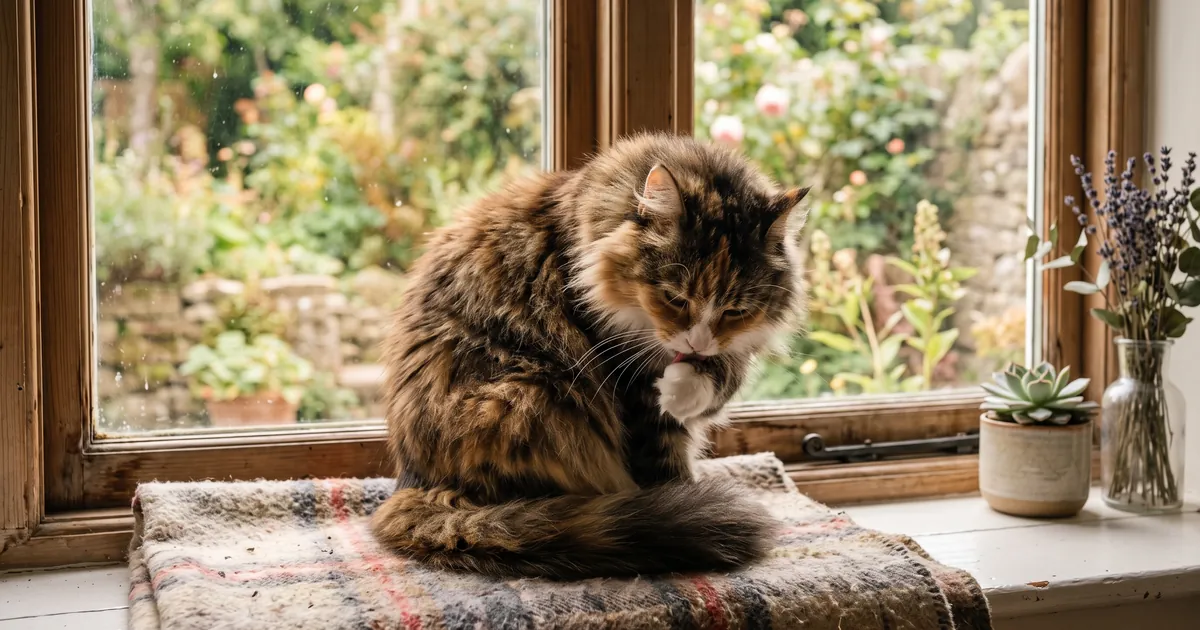
Cats spend up to half their waking hours grooming. Their tongues are covered in tiny backward-facing hooks that catch loose hair, which they then swallow. Most of this fur passes through the gut and out in the faeces. When fur builds up in the stomach instead, it forms a clump called a hairball (or furball, or trichobezoar), which the cat brings up by retching. Hairballs are usually sausage-shaped rather than round because they're squeezed through the narrow food pipe.
Cats most likely to get hairballs
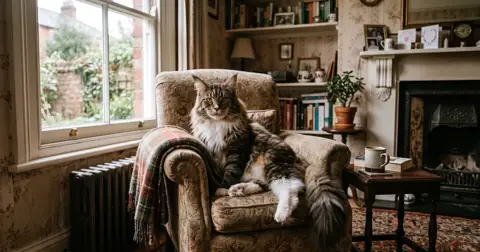
- Long-haired breeds such as the Persian, Maine Coon, Norwegian Forest and Ragdoll.
- Cats that over-groom because of fleas, allergies, stress or pain.
- Cats in a heavy moult, usually spring and autumn.
- Older cats whose gut moves more slowly.
- Cats with digestive conditions such as inflammatory bowel disease.
Cat hairball remedies compared
| Remedy | How it works | Best for |
|---|---|---|
| Regular brushing | Removes loose fur before it's swallowed | Every cat, especially long-haired ones |
| Hairball paste / cat malt | Lubricates swallowed fur so it passes through | Occasional hairballs, moulting season |
| Hairball-control food | Extra fibre moves hair along the gut | Cats with regular hairballs |
| Hairball treats | Fibre or lubricants in a treat | Mild problems, as an add-on |
| Added fibre (vet-approved) | Bulks up stools and speeds transit | Cats prone to hairballs and constipation |
| More water | Keeps the gut moving | All cats, especially dry-fed cats |
| Treating over-grooming | Reduces fur swallowed | Cats grooming more than usual |
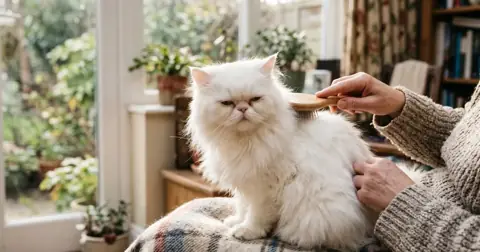
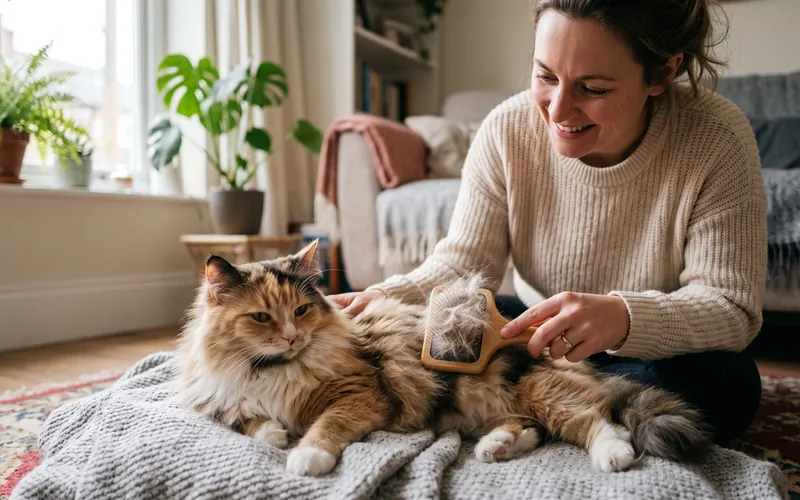
1. Brushing: the best hairball remedy
Every hair you brush out is a hair your cat doesn't swallow. Aim for:
- Long-haired cats: daily brushing, with a wide-toothed comb to tease out tangles and a slicker brush for the undercoat.
- Short-haired cats: two or three times a week with a rubber grooming mitt or soft brush.
- During moulting season: increase brushing and consider a de-shedding tool, used gently.
Start with short, calm sessions and reward with treats. Many cats come to enjoy it. Matted fur is painful and increases hairballs, so ask a groomer or vet to remove severe mats.
2. Hairball paste and cat malt
Hairball pastes, often sold as "cat malt" or "hairball paste for cats", contain lubricants such as malt extract or paraffin. They coat swallowed fur so it slides through the gut and out in the faeces rather than collecting in the stomach. Some vets supply lubricant laxative pastes such as Katalax, which can also help with constipation. Read more in our guide to cat laxatives.
How to use them:
- Follow the dose on the pack, usually a short strip of paste a few times a week, or daily for a short course during heavy moulting.
- Many cats lick paste straight from the tube; otherwise, dab a little on a front paw so the cat licks it off.
- Give it between meals, as lubricants can reduce the absorption of some nutrients if given with food every day.
Pastes are a helpful add-on, not a replacement for brushing.
3. Hairball cat food and treats
Hairball-control diets contain extra fibre, often from cellulose, beet pulp or psyllium, to keep fur moving through the gut. Many brands make dry and wet versions. They're a sensible choice for cats that bring up hairballs regularly, but switch gradually over 7 to 10 days to avoid stomach upsets. Hairball treats work in a similar way but in smaller amounts, so they're best for mild problems. Count treats as part of your cat's daily calories, using our cat food calculator.
4. Fibre and water
Small amounts of added fibre can help some cats. Vets sometimes suggest plain cooked pumpkin or psyllium husk powder mixed into wet food, but always ask first, as too much fibre can cause diarrhoea or constipation in some cats.
Water matters too. Cats that eat only dry food can be mildly dehydrated, which slows the gut. Offer wet food, place water bowls away from food, and try a water fountain, as many cats prefer moving water.
5. Find out why your cat is over-grooming
A sudden increase in hairballs often means your cat is grooming more than usual. Common reasons include:
- Fleas: even a few bites can trigger intense grooming. See our guide to flea treatment for cats.
- Allergies to food, pollen or dust mites. Read can cats get hayfever.
- Stress, such as a house move, a new pet or a neighbourhood cat. Our guide to cat calming products explains ways to help.
- Pain, for example from arthritis or a bladder problem, which some cats respond to by licking the sore area.
Cat hairball remedies for long-haired breeds
Long-haired cats swallow far more fur than short-haired cats, so they often need a combination of remedies. A good routine for a Persian, Maine Coon or Norwegian Forest cat is daily combing down to the skin, a hairball paste two or three times a week in spring and autumn, a hairball-control or high-fibre diet, and a professional groom every few months if the coat tends to mat. Some owners of long-haired cats choose a light trim of the belly and back legs in summer, which also helps keep the bottom clean.
Remedies to avoid
- Butter, olive oil and other fats: can cause vomiting, diarrhoea and weight gain.
- Human laxatives: doses and ingredients can be unsafe for cats.
- Petroleum jelly given in large amounts: use only cat-specific products at the labelled dose.
- Essential oils: many are toxic to cats.
How many hairballs are normal?
An occasional hairball, perhaps once or twice a month in a long-haired cat during moulting, is usually nothing to worry about. Many short-haired cats never produce them. Speak to your vet if your cat:
- Brings up hairballs more than about twice a month.
- Starts having them more often than before.
- Vomits food or liquid often, not just hair.
- Is losing weight, has diarrhoea or seems unwell.
Frequent hairballs can be a sign of inflammatory bowel disease, food sensitivity or other digestive problems rather than simple fur swallowing.
Hairball or cough?
Owners often mistake coughing for a hairball attempt. A cat bringing up a hairball usually retches with its belly heaving and produces a clump of fur, food or froth. A coughing cat crouches low with its neck stretched forward, makes a dry hacking or wheezing sound, and produces nothing. Repeated coughing can be a sign of asthma or lungworm. See our guide to cat cold symptoms and coughing.
When a hairball is an emergency
Contact your vet straight away if your cat has repeated retching or vomiting without producing a hairball, refuses food, seems lethargic, hasn't passed faeces, has a tender or swollen tummy, or keeps trying to vomit. A hairball can occasionally block the stomach or intestines and may need surgery.
A simple hairball prevention routine
- Brush daily (long-haired) or several times a week (short-haired).
- Offer wet food or a water fountain to keep your cat well hydrated.
- Use a hairball paste a few times a week during moulting.
- Consider a hairball-control diet if hairballs happen regularly.
- Keep up year-round flea treatment.
- Book a vet check if hairballs increase or your cat seems unwell.
FAQs
What is the best hairball remedy for cats?
Regular brushing is the best remedy, because it removes loose fur before it's swallowed. Hairball pastes (sometimes called cat malt), hairball-control diets, extra fibre and good hydration all help fur pass through the gut. Your vet can recommend the best combination for your cat.
How many hairballs are normal for a cat?
Many cats never bring up hairballs, and others bring one up occasionally, especially long-haired breeds during moulting. If your cat brings up hairballs more than about once or twice a month, or suddenly starts having them more often, ask your vet to check for over-grooming or digestive problems.
Do hairball pastes work?
Hairball pastes contain lubricants such as paraffin or malt extract that coat swallowed fur and help it pass in the faeces. They can help cats with occasional hairballs, but they work best alongside brushing. Follow the label and don't give them right before meals unless directed, as they can reduce nutrient absorption.
Can I give my cat olive oil or butter for hairballs?
It's not recommended. Fatty foods can cause vomiting, diarrhoea and weight gain, and there's little evidence they help. Use a product made for cats instead.
How do I know if my cat has a hairball blockage?
Signs of a blockage include repeated retching or vomiting without producing a hairball, not eating, lethargy, constipation or no faeces, and a tender or swollen tummy. This is an emergency: contact your vet straight away.
Is my cat coughing or bringing up a hairball?
A cat bringing up a hairball usually retches and produces a sausage-shaped clump of fur. A cat that crouches with its neck stretched out, makes a dry hacking or wheezing sound and produces nothing may be coughing, which can be a sign of asthma or lungworm and needs a vet check.
Sources and further reading
This guide is for general information only and is not a substitute for advice from a vet. Medicines, doses and costs change: always follow your vet and the product leaflet. If your cat is unwell or you think it has eaten something toxic, contact your vet or an emergency vet straight away.