Norwegian Forest cat: a complete UK guide
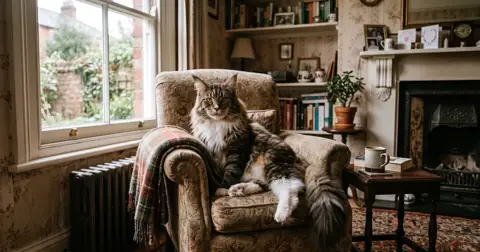
The Norwegian Forest cat, or "Wegie", is a large, athletic breed from Scandinavia with a thick, glossy, water-resistant coat, a bushy tail and a calm, friendly nature. They're natural climbers and love high perches. In the UK, a registered Norwegian Forest kitten typically costs £700 to £1,200. This guide covers personality, grooming, health tests and how to find kittens for sale.
Quick answer
- A large, sturdy, outdoorsy breed with a waterproof double coat and tufted ears.
- Friendly but independent; affectionate without being demanding.
- UK kittens typically cost £700–£1,200 from a registered breeder.
- Ask breeders about the GSD IV DNA test and heart scans for HCM.
Norwegian Forest cat at a glance
| Trait | Norwegian Forest cat |
|---|---|
| Size | Large, long-bodied and muscular |
| Weight | Females 4–6 kg, males 5.5–8 kg |
| Coat | Semi-long, glossy, water-repellent double coat with a full ruff |
| Grooming | Weekly; daily during the spring moult |
| Energy | Medium |
| Temperament | Friendly, calm, independent, intelligent |
| Lifespan | Around 14–16 years |
| UK kitten price | £700–£1,200 |
History of the Norwegian Forest cat
The Norwegian Forest cat, known in Norway as the skogkatt, developed naturally in the cold forests of Scandinavia. Cats with thick coats and strong bodies survived harsh winters and worked as farm and ship cats. Norse legends describe large cats pulling the chariot of the goddess Freya. After nearly disappearing in the mid-20th century, the breed was revived by Norwegian enthusiasts and recognised internationally in the 1970s. It's now a popular pedigree breed in the UK, admired for its wild good looks and easy-going temperament.
Appearance
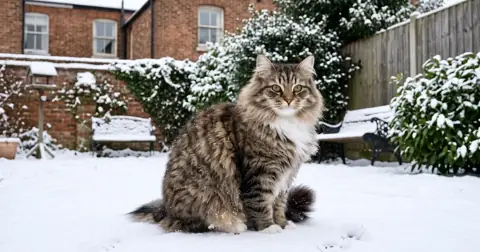
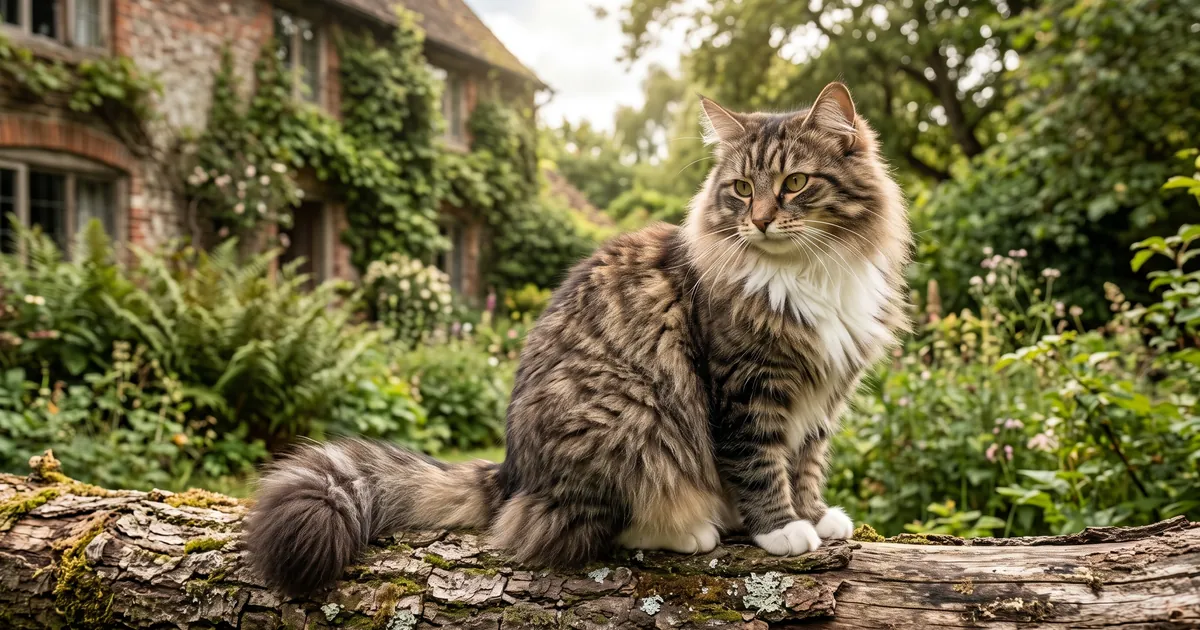
Norwegian Forest cats have a triangular head with a straight profile, large almond-shaped eyes, tall tufted ears, a long body and a long, bushy tail. Their back legs are slightly longer than their front legs. The coat has a glossy, water-repellent outer layer over a dense, woolly undercoat, with a full ruff around the neck and "britches" on the back legs. They come in many colours, including the classic brown tabby and white, black, red, blue, silver and tortoiseshell.
Norwegian Forest cat personality
- Friendly and sociable, but often less clingy than breeds such as the Ragdoll.
- Calm and adaptable, usually coping well with family life.
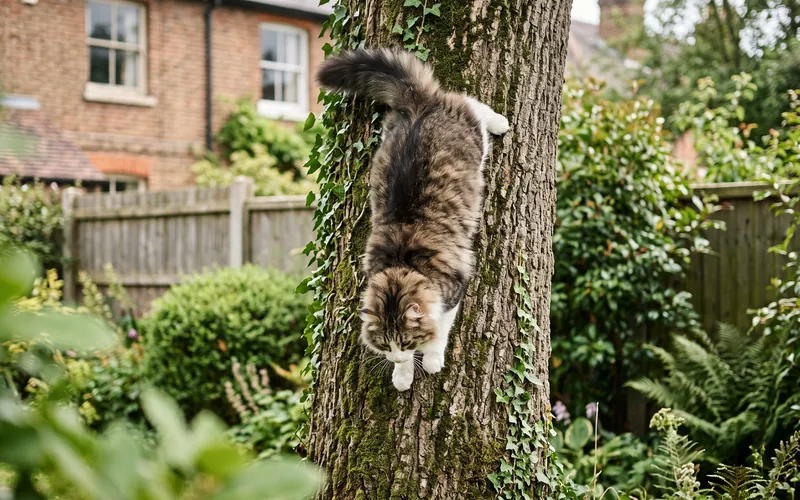
- Natural climbers, who love the highest point in the room.
- Playful, enjoying chase games and puzzle toys well into adulthood.
- Intelligent and observant, often watching from a perch.
- Good with children and other pets when introduced well.
- Quietly vocal, using soft chirps and trills rather than loud meows.
Caring for a Norwegian Forest cat
Grooming
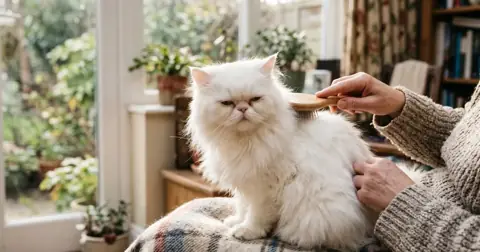
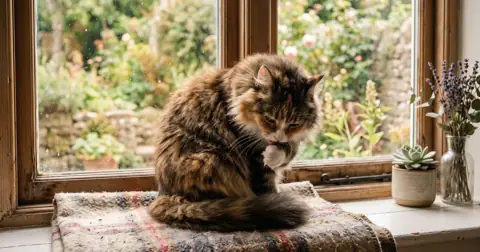
Despite its long coat, the Norwegian Forest cat's coat is relatively low-maintenance for most of the year. A weekly comb keeps it tangle-free. In spring, the woolly undercoat sheds dramatically, and daily brushing for a few weeks prevents mats and reduces hairballs. Our guide to hairball remedies can help during moulting season.
Climbing and exercise
Invest in a tall, very sturdy cat tree, wall shelves and window perches. Many Wegies enjoy outdoor exploration or a secure catio. Daily play helps keep them fit and happy.
Diet and weight
Feed a complete, good-quality diet suited to life stage and activity. Because they grow slowly, some breeders recommend kitten food until around a year old. Check your cat's weight with our cat weight checker.
Parasite control
If your Norwegian Forest cat goes outdoors and hunts, keep up regular flea and worm treatment. See our cat worming guide.
Norwegian Forest cat health
| Condition | Screening |
|---|---|
| Glycogen storage disease type IV (GSD IV) | DNA test: breeders should test breeding cats |
| Hypertrophic cardiomyopathy (HCM) | Regular heart scans of breeding cats |
| Hip dysplasia | Hip X-ray scoring in some breeding programmes |
| Pyruvate kinase (PK) deficiency | DNA test in some lines |
Pedigree cats usually cost more to insure than moggies; see our guide to cat insurance.
Norwegian Forest cat price in the UK
| Option | Typical UK cost |
|---|---|
| Registered pet kitten | £700–£1,200 |
| Show or breeding quality | £1,200+ |
| Rehomed adult | £100–£250 |
Ongoing costs include food for a large cat, sturdy climbing furniture, grooming tools and insurance. Budget for vaccinations and neutering too; see cat vaccination costs.
Finding Norwegian Forest cats for sale in the UK
- Contact breed clubs through the GCCF for breeder recommendations.
- Ask about health testing: GSD IV DNA status and heart scans for both parents.
- Visit the kittens with their mother and check they're confident and healthy.
- Check paperwork: registration, vaccinations, microchip, worming and a contract.
- Collect at around 13 weeks or older.
Be cautious of "Norwegian" or "forest cat" kittens advertised cheaply without papers. Many are long-haired moggies. That's fine if you want a pet, but pay a fair price and never buy without seeing the kitten with its mother.
Living with a Norwegian Forest cat
Indoor or outdoor?
Norwegian Forest cats were bred for the outdoors, and many love exploring gardens, climbing trees and watching wildlife. They can live happily indoors if they have plenty of vertical space, toys and attention, but many owners give them a secure garden or catio. If your cat goes out, keep it in at night; our guide to whether foxes and badgers attack cats explains the night-time risks.
Weather and seasons
The thick, water-resistant coat keeps Wegies comfortable in cold, wet British weather, and they often seem to enjoy snow. In summer they shed much of their undercoat, so they look slimmer, and they appreciate shady, cool spots on hot days.
Routine and enrichment
Wegies like a predictable routine but also need things to do. Rotate toys weekly, offer puzzle feeders and set aside time each day for play. Many enjoy learning simple tricks for treats. Because they're large and athletic, place breakables away from shelves they might use as climbing routes.
The cost of owning a Norwegian Forest cat
As a large breed, a Norwegian Forest cat needs more food than an average cat, plus a big litter tray, a large carrier and sturdy climbing furniture that won't topple. Insurance is usually higher than for a moggy. Spread routine costs with a vet health plan if your practice offers one.
Norwegian Forest kittens
Norwegian Forest kittens are curious and active, climbing everything in sight. They grow steadily and their full coat, ruff and tail plume develop over several years. Kitten-proof your home, provide climbing options early, and start gentle grooming so your kitten is relaxed about being handled. Check houseplants with our toxic plant checker before your kitten arrives, as young climbers reach surprising places.
Norwegian Forest cat vs Maine Coon vs Siberian
| Norwegian Forest | Maine Coon | Siberian | |
|---|---|---|---|
| Head shape | Triangular, straight profile | Squarer muzzle | Rounded |
| Coat | Glossy, water-repellent | Shaggy, uneven length | Dense triple coat |
| Size | Large | Very large | Medium–large |
| Personality | Friendly, independent | Sociable gentle giant | Playful, affectionate |
Read our guides to the Maine Coon and Siberian to compare these three large, long-haired breeds.
Norwegian Forest cat rescue
Norwegian Forest cats occasionally need new homes through breed club rehoming schemes, and general rescues often have long-haired cats with Wegie-like looks. Adopting an adult lets you meet its personality first and usually costs far less than buying a kitten. Our guide on how to foster a cat explains how UK rescues work.
Norwegian Forest cats with children and other pets
Wegies are usually patient, confident and robust, making them a good fit for families with children who are taught to be gentle. They typically get on well with other cats and cat-friendly dogs after a slow introduction. Their independent streak means they appreciate a quiet place to retreat, such as a high shelf, when the house gets busy.
Is a Norwegian Forest cat right for you?
A Norwegian Forest cat could be perfect if you want a friendly, sturdy, low-drama cat with a beautiful coat, and you can provide climbing space and some outdoor access or a catio. It may not suit you if you want a very cuddly lap cat or have no space for large cat furniture. Compare with calmer indoor breeds in our guide to the best indoor cat breeds.
FAQs
How much is a Norwegian Forest cat in the UK?
A registered Norwegian Forest kitten from a health-testing breeder usually costs £700 to £1,200, with show or breeding quality costing more. Rehomed adults typically cost £100 to £250.
How big do Norwegian Forest cats get?
Females usually weigh 4 to 6 kg and males 5.5 to 8 kg. They mature slowly and may not reach full size and coat until about 4 to 5 years old.
Are Norwegian Forest cats good pets?
Yes. They're usually friendly, calm and adaptable, good with families and other pets, and affectionate without being clingy. They need climbing space and regular play.
Do Norwegian Forest cats need a lot of grooming?
Less than you might expect. A weekly comb is usually enough, but they shed heavily during the spring moult, when daily brushing helps.
What is GSD IV in Norwegian Forest cats?
Glycogen storage disease type IV is a rare inherited disease that affects how the body stores glucose. Affected kittens usually die young. A DNA test lets breeders avoid producing affected kittens.
Can Norwegian Forest cats live indoors?
They can adapt to indoor life with tall, sturdy cat trees, window perches and daily play, but many enjoy safe outdoor access or a catio.
Sources and further reading
This guide is for general information only and is not a substitute for advice from a vet. Medicines, doses and costs change: always follow your vet and the product leaflet. If your cat is unwell or you think it has eaten something toxic, contact your vet or an emergency vet straight away.