Burmese cat: personality, health and UK prices
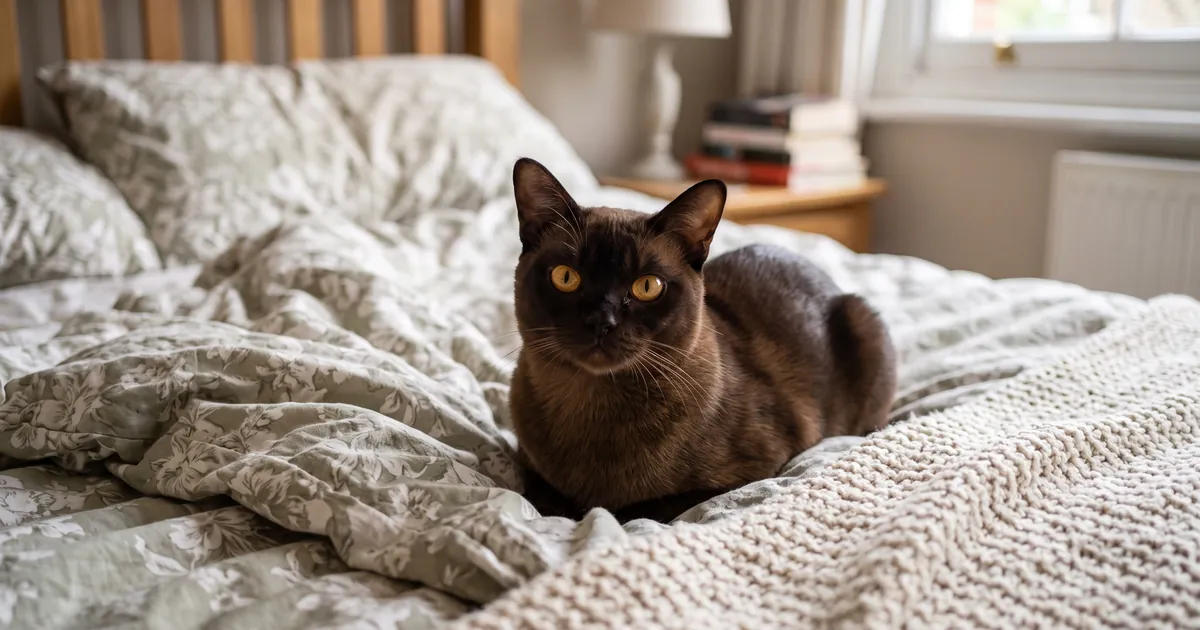
The Burmese cat is a sleek, muscular, golden-eyed breed with a big personality. Burmese are extremely people-focused, playful and affectionate, and they hate being left alone. Breeders describe them as "a brick wrapped in silk" because they feel surprisingly heavy for their size. In the UK, a registered Burmese kitten usually costs £600 to £1,000, and adult Burmese regularly need rehoming through breed rescues.
Quick answer
- Burmese are very sociable, playful and loyal; they do best with company most of the day.
- In the UK they come in 10 colours, including brown, blue, chocolate, lilac, red, cream and tortie.
- UK kittens usually cost £600–£1,000; adults are often available through Burmese rescue.
- Ask breeders about tests for hypokalaemia and GM2 gangliosidosis; Burmese have a higher risk of diabetes.
Burmese cat at a glance
| Trait | Burmese |
|---|---|
| Size | Medium, compact and muscular |
| Weight | Females 3–4.5 kg, males 4–5.5 kg |
| Coat | Short, fine, glossy and close-lying |
| Eyes | Gold to yellow |
| Grooming | Very low |
| Energy | Medium to high |
| Temperament | Affectionate, playful, sociable, curious |
| Lifespan | About 15–18 years |
| UK kitten price | £600–£1,000 |
History of the Burmese
The modern Burmese traces back to a small brown cat called Wong Mau, taken from Burma (now Myanmar) to the USA in the 1930s and bred with Siamese cats. Burmese reached Britain after the Second World War. Over time, British and European breeders developed a slightly more moderate, foreign-type Burmese, while American breeders developed a rounder head. The two are now quite different in appearance, and the GCCF recognises the British/European type.
Burmese colours
In the UK, the Burmese is recognised in ten colours:
| Colour | Description |
|---|---|
| Brown (sable) | Rich dark seal-brown, the original Burmese colour |
| Blue | Soft silver-grey |
| Chocolate | Warm milk-chocolate |
| Lilac | Pale dove-grey with a pinkish tone |
| Red | Light tangerine |
| Cream | Pale cream |
| Brown, blue, chocolate and lilac tortie | Mixed colours, usually female |
The colour is darkest on the face, ears, legs and tail, and lightest on the belly, but with much less contrast than a Siamese. All Burmese have golden or yellow eyes.
Burmese personality
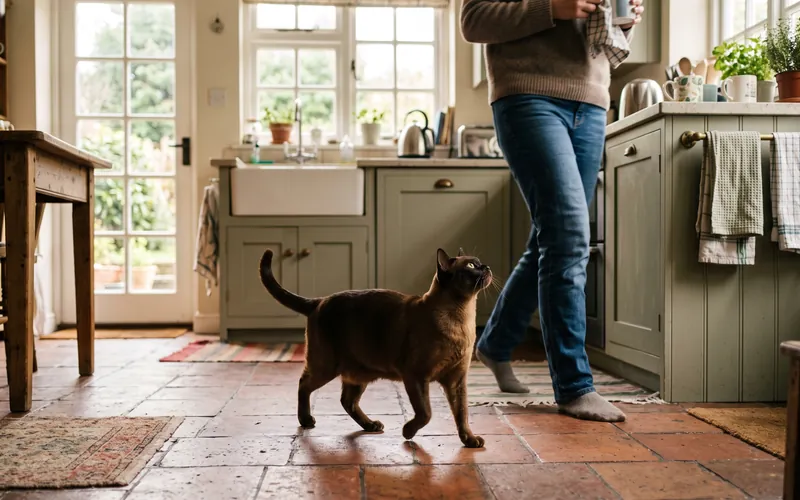
- People-oriented: they follow you around, greet you at the door and want to be involved.
- Playful: they stay kitten-like for years and often learn to fetch.
- Confident: usually friendly with visitors, children and other pets.
- Vocal: they chat, but with a softer voice than the Siamese.
- Curious and clever: they explore cupboards, bags and anything new.
- Warmth-loving: they seek out laps, beds, radiators and the warmest spot in any room.
- Food-motivated: which makes them easy to train with treats, but prone to weight gain.
Their trusting, outgoing nature means many owners keep Burmese indoors or give them a secure garden, as they may approach strangers and cars without caution.
Caring for a Burmese cat
- Company: avoid leaving a Burmese alone for long periods. Consider two cats if you work full time.
- Play: daily interactive play, puzzle feeders and climbing spaces.
- Grooming: a weekly stroke with a grooming mitt keeps the coat glossy.
- Weight: Burmese love food and can gain weight, which raises the risk of diabetes. Measure meals with our cat food calculator.
- Teeth: brush regularly and book dental checks. See our cat dental chart.
- Warmth: provide cosy, heated beds in winter.
Burmese cat health
| Condition | What it is | Screening |
|---|---|---|
| Burmese hypokalaemia (BHK) | Episodes of low potassium causing muscle weakness, often with the head held down | DNA test |
| Diabetes mellitus | Higher risk in UK Burmese, especially overweight and older cats | Weight control, regular checks |
| GM2 gangliosidosis | Rare inherited neurological disease | DNA test |
| Feline orofacial pain syndrome (FOPS) | Painful mouth discomfort that can lead to pawing and self-injury | Vet assessment; often linked to teething or dental disease |
| Dental disease | Gum disease and tartar | Regular dental care |
Signs of diabetes include drinking and urinating more, weight loss despite a good appetite and weakness in the back legs. See your vet promptly if you notice these. Burmese insurance premiums are usually moderate; see our guide to cat insurance.
Reducing the risk of diabetes in Burmese cats
Studies of UK cats have found that Burmese are more likely than many other breeds to develop diabetes, particularly as they get older. You can lower the risk by:
- Keeping your Burmese slim: weigh monthly and adjust portions. Our cat weight checker shows the healthy range.
- Feeding measured meals rather than leaving food down all day, and limiting treats.
- Encouraging activity with daily play and climbing.
- Feeding some wet food, which is usually lower in carbohydrate than dry food.
- Booking yearly health checks, with urine and blood tests from middle age.
Indoor or outdoor Burmese?
Burmese are curious and fearless, and they tend to trust strangers, which can put them at risk from traffic and theft. Many UK owners keep Burmese indoors with plenty of enrichment, or give them a secure garden or catio. If your Burmese goes out, consider keeping it in at night and using a microchip cat flap; see our guide to cat flap installation.
The cost of owning a Burmese
Burmese are inexpensive to groom and moderate to feed, but budget for insurance, dental care and, in homes where people are out, possibly a second cat. Routine costs are covered in our guides to vaccination costs and neutering costs.
Burmese cat price in the UK
| Option | Typical UK cost |
|---|---|
| Registered pet kitten | £600–£1,000 |
| Show or breeding quality | £1,000+ |
| Adult from Burmese rescue | £75–£200 |
Finding Burmese cats for sale in the UK
- Contact Burmese breed clubs via the GCCF for breeder recommendations.
- Ask about DNA tests for hypokalaemia and GM2 gangliosidosis, and about family history of diabetes and FOPS.
- Visit the kittens with their mother, and expect confident, sociable kittens.
- Check paperwork: registration, vaccinations, microchip, worming and a contract.
- Collect at around 13 weeks or older.
Burmese cat rescue and adoption in the UK
Burmese breed clubs have long-established rescue and rehoming services, and they're one of the best places to find an adult Burmese. Cats come into rescue when owners move abroad, have new babies, become ill or pass away. Many rehomed Burmese settle quickly because they bond so readily with people. Rescues usually match cats carefully to homes, and some prefer to rehome Burmese in pairs or with a home where someone is often in. Learn how rescues work in our guide on how to foster a cat.
Burmese with children and other pets
Burmese are usually confident, sociable and tolerant, making them a good choice for families. They often get on well with other cats, particularly other active breeds, and with cat-friendly dogs. Many Burmese enjoy having a companion to play with when people are out. Introduce new pets gradually, with separate food, water and litter trays at first.
Burmese vs Siamese vs Tonkinese
| Burmese | Siamese | Tonkinese | |
|---|---|---|---|
| Colouring | Solid, subtle shading | Strong points | Mink (between the two) |
| Eyes | Gold | Blue | Aqua |
| Body | Compact, muscular | Slender | Medium |
| Voice | Moderate | Loud | Moderate |
Read our Siamese cat guide to compare.
Signs of hypokalaemia in Burmese cats
Burmese hypokalaemia causes episodes of muscle weakness linked to low blood potassium. Affected cats may walk stiffly, hold their head down with the chin tucked towards the chest, be reluctant to move, or seem weak and sore. Episodes can come and go. A blood test confirms it, and daily potassium supplements usually control it well. Breeders can now DNA test to avoid producing affected kittens, so always ask for results.
Burmese kittens
Burmese kittens are lively, confident and very playful. They climb, explore and bond quickly with their new families. Kitten-proof your home, provide plenty of toys and climbing options, and start gentle handling and tooth brushing early. Burmese kittens can be prone to orofacial discomfort while teething, so tell your vet if your kitten paws at its mouth.
Is a Burmese right for you?
A Burmese may be ideal if you want an affectionate, playful, sociable cat and you're home often or can provide a companion. It may not suit you if you're out all day, want an independent cat, or prefer a quiet, low-interaction pet. Compare breeds in our guide to the best indoor cat breeds.
FAQs
How much is a Burmese cat in the UK?
A registered Burmese kitten from a responsible UK breeder usually costs £600 to £1,000. Adult Burmese from breed rescue or rehoming schemes usually cost £75 to £200.
Are Burmese cats affectionate?
Very. Burmese are known for following their owners around, sitting on laps and wanting to be involved in everything. They're one of the most people-oriented breeds.
Can Burmese cats be left alone?
Burmese don't like long periods alone and can become bored or anxious. They often do best in homes where someone is around a lot, or with a second cat for company.
What health problems do Burmese cats have?
Burmese can be prone to hypokalaemia (low potassium, which a DNA test screens for), diabetes mellitus, GM2 gangliosidosis, dental disease and a painful mouth condition called feline orofacial pain syndrome. Responsible breeders test where possible.
How long do Burmese cats live?
Burmese cats often live 15 to 18 years, and some live into their twenties with good care.
Where can I find Burmese cats for adoption in the UK?
Burmese breed clubs run rescue and rehoming services across the UK, and general rescues sometimes have Burmese or Burmese-cross cats. Many rehomed Burmese are adults whose owners' circumstances changed.
Sources and further reading
This guide is for general information only and is not a substitute for advice from a vet. Medicines, doses and costs change: always follow your vet and the product leaflet. If your cat is unwell or you think it has eaten something toxic, contact your vet or an emergency vet straight away.