Cat insurance UK: how it works and what it costs
Cat insurance pays towards unexpected vet bills for accidents and illness, which can easily run into thousands of pounds. Monthly premiums in the UK typically range from around £8 to £30, depending on your cat's age, breed and where you live. This guide explains the different policy types, how breed and age affect the price, and what to check before you buy.
Quick answer
- Lifetime policies renew cover for ongoing conditions every year; they cost more but suit long-term illnesses.
- Typical UK premiums: £8–£30 a month; pedigree breeds and older cats cost more.
- Insurance doesn't cover routine care such as vaccinations, neutering, fleas or worming.
- Insure young: pre-existing conditions are usually excluded and many insurers set an age limit for new policies.
Why get cat insurance?
Modern veterinary care can treat conditions that were once untreatable, but it's expensive. A broken leg after a road accident can cost £1,500 to £4,000, investigations and treatment for a urinary blockage can exceed £1,000, and lifelong medication for diabetes or hyperthyroidism adds up to hundreds of pounds a year. Cat insurance spreads that risk into a predictable monthly payment.
Insurance is for the unexpected. Routine costs such as vaccinations, flea and worm treatment and neutering aren't covered, so budget for those separately using our guides to cat vaccination costs and cat neutering cost.
Types of cat insurance
| Policy type | How it works | Best for |
|---|---|---|
| Lifetime | Annual vet fee limit that resets each year; ongoing conditions stay covered if you renew | Most cats, especially pedigrees and those likely to develop long-term conditions |
| Maximum benefit | A fixed amount per condition, with no time limit; once used up, that condition isn't covered | Budget cover with some protection for longer illnesses |
| Time-limited | Covers each condition for a set time, usually 12 months | Short-term illnesses and accidents |
| Accident-only | Covers injuries but not illness | Lowest cost; very limited |
Long-term conditions such as kidney disease, diabetes and hyperthyroidism are common in older cats and can need treatment for years. Only lifetime policies keep paying for them every year, which is why many vets recommend lifetime cover.
How much does cat insurance cost?
| Cat | Typical monthly premium (lifetime cover) |
|---|---|
| Young moggy (crossbreed) | £8–£18 |
| Young pedigree | £12–£30 |
| Cat aged 8–10 | £18–£40 |
| Cat aged 11+ (new policy) | £25–£60, if available |
Indicative UK ranges only. Your quote depends on postcode, excess, vet fee limit, breed and age.
The biggest factors affecting your premium are:
- Age: premiums rise as cats get older and more likely to claim.
- Breed: pedigree cats usually cost more than moggies.
- Postcode: vet fees are higher in cities, particularly London.
- Vet fee limit: higher annual limits (£4,000 to £15,000) cost more but give better protection.
- Excess and co-payment: paying a higher excess lowers the premium.
- Outdoor access: some insurers ask whether your cat goes outside.
Cat insurance by breed
Insurers price policies partly on the health problems each breed tends to have. Here's why some popular breeds cost more to insure:
| Breed | Common health concerns | Effect on premium |
|---|---|---|
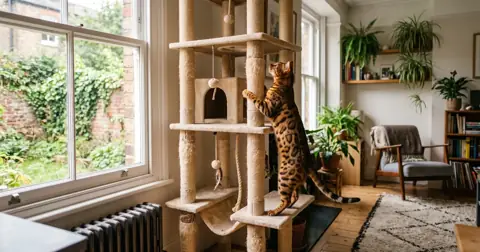
| Bengal | Heart disease (HCM), eye problems, sensitive digestion | Higher |
| Ragdoll | Heart disease (HCM), bladder problems | Higher |
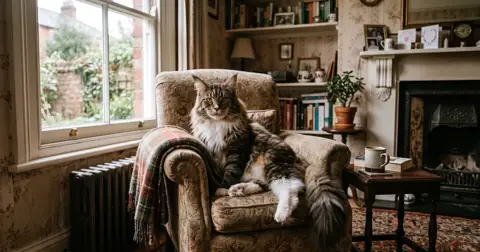
| Maine Coon | HCM, hip dysplasia, spinal muscular atrophy | Higher |
| British Shorthair | HCM, polycystic kidney disease, obesity | Moderate to higher |
| Persian | Polycystic kidney disease, breathing and eye problems, dental issues | Higher |
| Siamese | Dental disease, respiratory issues, some inherited eye conditions | Moderate |
| Burmese | Diabetes, low potassium (hypokalaemia), dental disease | Moderate |
| Siberian | HCM; generally robust | Moderate |
| Sphynx | HCM, skin infections, sunburn, dental disease | Higher |
| Russian Blue | Generally healthy; obesity | Lower to moderate |
| Munchkin | Joint and spine problems | Higher |
If you're choosing a breed, read our guides to the Bengal, Maine Coon, Ragdoll and British Shorthair, which include health tests to ask breeders about. Health-tested parents reduce the risk of inherited disease, though insurers rarely lower the price for it.
Pet insurance for elderly cats
Older cats are the ones most likely to need expensive treatment, but insuring them can be tricky:
- Age limits: many insurers won't start a new policy for cats over 8 to 10 years old, although existing policies usually continue for life.
- Co-payments: from around 8 to 10 years old, many policies require you to pay a percentage (often 20%) of every claim, on top of the excess.
- Higher premiums: prices typically rise each year as your cat ages.
- Existing conditions: anything your cat already has will usually be excluded.
Some insurers specialise in older pet insurance, often with lower vet fee limits. If you're insuring an older cat, compare the premium with saving the same amount into an emergency fund each month. Use our cat years calculator to see your cat's age in human terms.
What cat insurance doesn't cover
- Routine and preventive care: vaccinations, neutering, flea and worm treatment, microchipping.
- Pre-existing conditions, and often conditions that show symptoms in the first 14 days of a new policy.
- Pregnancy and giving birth (for most policies).
- Dental treatment, unless caused by an accident or covered illness, or unless you've kept up with dental checks.
- Illnesses that vaccination could have prevented, if your cat isn't vaccinated.
- Behavioural treatment, food (including prescription diets) and grooming, on many policies.
Prescription diets such as renal diets for cats are commonly excluded, so check if your cat may need one.
How to choose cat insurance
- Decide on lifetime vs other cover. For most cats, lifetime cover offers the best protection for long-term conditions.
- Pick a realistic vet fee limit. £4,000 a year is a sensible minimum; £7,000 to £15,000 gives more peace of mind.
- Check the excess and co-payment, including how they change with age.
- Read the exclusions, especially dental cover, breed-specific conditions and prescription food.
- Ask about direct payment to your vet, so you don't have to pay the whole bill upfront.
- Compare at renewal, but think carefully before switching: a new insurer will treat existing conditions as pre-existing.
Cat insurance vs saving for vet bills
Some owners prefer to save a monthly amount into a separate account instead of buying insurance. This can work for owners who could cover a large bill if something happens early. The risk is that a serious accident or illness in the first few years could cost more than you've saved. Insurance protects you from that worst-case scenario. Many vets suggest insuring a young cat and keeping a small fund for routine care and excesses.
When is the best time to buy cat insurance?
The best time is as soon as you bring your cat home, ideally while it's a young kitten with no health history. Any condition that appears before you take out a policy will usually be excluded for life, so a few months' delay can make a big difference. Many breeders and rescues provide four or five weeks of free cover when you collect your cat, which gives you time to compare policies. Remember that new policies usually have a 14-day waiting period for illness, so set up cover before the free policy ends.
Making a claim
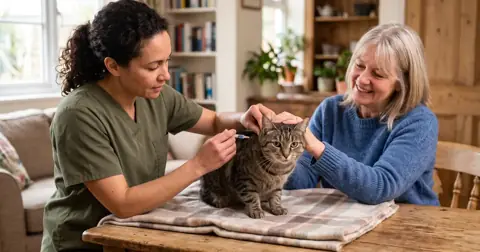
To claim, your vet usually completes part of a claim form or online claim, and you send invoices. Many insurers can pay your vet directly, although you'll still pay the excess and any co-payment. Keep records of vaccinations and dental checks, as insurers may ask for your cat's clinical history. If a claim is refused, ask for the reason in writing and use the insurer's complaints process; you can escalate unresolved complaints to the Financial Ombudsman Service.
Cat insurance for indoor cats
Indoor cats are less likely to be hit by a car or injured in a fight, so some insurers offer slightly lower premiums. But indoor cats still develop illnesses such as urinary problems, dental disease, diabetes and kidney disease, often linked to weight gain and less activity. Insurance remains worthwhile for many indoor cats, particularly pedigree breeds. Our guide to the best indoor cat breeds explains which breeds suit indoor life.
FAQs
How much is cat insurance per month in the UK?
Most UK cat owners pay roughly £8 to £30 a month. Basic accident-only or time-limited cover for a young moggy can be under £10, while lifetime cover for an older pedigree cat in London can cost £40 or more. Prices depend on age, breed, location, excess and the level of cover.
Is it worth getting insurance for an older cat?
It can be, because older cats are more likely to develop conditions such as kidney disease, hyperthyroidism and arthritis. However, premiums are higher, many insurers add a co-payment (often 20%) from around 8 to 10 years old, and any existing conditions won't be covered. Compare the yearly cost with what you could save in an emergency fund.
Can I insure a cat with pre-existing conditions?
Most policies exclude conditions your cat had before the policy started. Some insurers will cover a pre-existing condition after a symptom-free period, often two years. Read the terms carefully.
Why is insurance more expensive for some breeds?
Some breeds are more prone to inherited or costly conditions, such as heart disease in Maine Coons and Ragdolls, kidney disease in Persians, or skin problems in Sphynx cats. Insurers price policies based on how often breeds make claims.
What is the difference between lifetime and time-limited cat insurance?
Lifetime cover pays for ongoing conditions year after year as long as you renew, up to an annual limit. Time-limited cover pays for each condition for a set period, usually 12 months, after which that condition is no longer covered. Lifetime cover is better for long-term illnesses.
Does cat insurance cover dental treatment?
Some policies cover dental treatment for accidents or illness, but many exclude routine dental work or treatment of gum disease unless your cat has had regular dental check-ups. Check the policy wording.
Sources and further reading
This guide is for general information only and is not a substitute for advice from a vet. Medicines, doses and costs change: always follow your vet and the product leaflet. If your cat is unwell or you think it has eaten something toxic, contact your vet or an emergency vet straight away.