Cat cremation cost in the UK: your options explained
Losing a cat is heartbreaking, and the practical decisions can feel overwhelming. In the UK, cat cremation cost is usually £30 to £100 for a communal cremation and £120 to £300 for an individual cremation with the ashes returned. This guide gently explains each option, what's included and how to choose what feels right for you.
Quick answer
- Communal cremation (ashes not returned): around £30–£100.
- Individual cremation (ashes returned): around £120–£300.
- Extras such as a premium urn, home collection or a witnessed cremation cost more.
- Your vet can arrange everything, or you can contact a pet crematorium directly.
Cat cremation cost at a glance
| Option | Typical UK cost | Ashes returned? |
|---|---|---|
| Communal cremation via your vet | £30–£100 | No |
| Individual cremation via your vet | £120–£250 | Yes, in a scatter tube or simple casket |
| Individual cremation booked directly with a crematorium | £100–£250 | Yes |
| Witnessed (attended) cremation | £200–£400 | Yes, often same day |
| Home or vet collection by crematorium | £30–£80 extra | - |
| Premium urn, wooden casket or engraved box | £30–£200 extra | - |
| Paw print or fur clipping keepsake | £10–£50 extra | - |
Indicative UK prices. Costs vary by region, crematorium and your cat's size.
Communal cremation
A communal cremation is the most affordable choice. Your cat is cremated alongside other pets, and the ashes are not returned. Most crematoria scatter communal ashes in a garden of remembrance, and some let you visit. Many owners choose communal cremation because they don't feel they need ashes to remember their cat, or because the cost of individual cremation isn't possible at a difficult time. It's a respectful option.
Individual cremation
With an individual cremation, your cat is cremated alone and only your cat's ashes are returned. Standard prices usually include:
- Collection from your vet.
- The individual cremation itself.
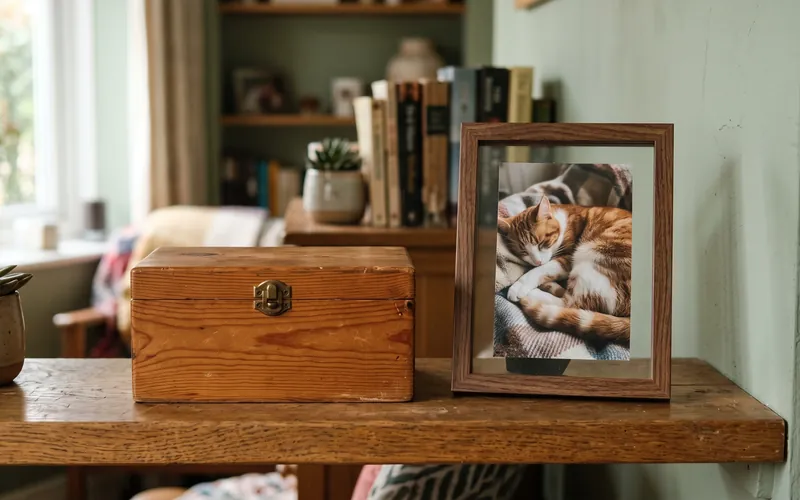
- Return of the ashes in a simple container, such as a scatter tube, a cardboard or wooden box, or a small casket.
- A certificate of cremation (at many crematoria).
The price is often slightly higher for larger cats, although most cats fall in the lowest weight band. If you'd like a specific urn or keepsake, you can usually choose one when you book or buy one separately later.
Witnessed cremation
Some private pet crematoria offer a witnessed or attended cremation. You bring your cat (or the crematorium collects them), spend time saying goodbye in a quiet room, and can be present at the start of the cremation. The ashes are often returned the same day. It's the most personal option and the most expensive, typically £200 to £400. Book directly with a crematorium; the Association of Private Pet Cemeteries and Crematoria (APPCC) lists members who follow a code of practice.
Arranging cremation through your vet
Most owners arrange cremation through their vet practice, especially if their cat is put to sleep there. The vet keeps your cat in a dedicated cold room until the crematorium collects, and the ashes are returned to the practice for you to collect. The cremation fee is often added to the final bill. If your cat was put to sleep at home, the vet can usually take your cat with them.
Euthanasia and cremation costs are often paid together. Our guide to cat euthanasia cost explains the price of the appointment itself and how home visits compare.
Booking a pet crematorium directly
You can contact a pet crematorium yourself. This can be slightly cheaper, faster and more personal, and lets you choose exactly what you want. Many crematoria collect from home or from your vet for a fee. When comparing crematoria, ask:
- Is the cremation guaranteed individual?
- How and when will the ashes be returned?
- Can I visit, or attend the cremation?
- Are you an APPCC member?
- What urns or keepsakes do you offer, and what do they cost?
Cat cremation prices: what affects the cost
Why cat cremation cost varies between vets
Vets don't usually carry out cremations themselves: they use a partner crematorium and add a handling and storage charge. That's why the same individual cremation can cost £40 to £80 more through one practice than another. Asking which crematorium your vet uses, and checking its own price list, helps you see where the money goes. It's completely reasonable to ask these questions, even at a difficult time.
Cat cremation cost for out-of-hours deaths
If your cat dies at home overnight or at a weekend, you don't have to decide straight away. Wrap your cat in a blanket and keep them somewhere cool. Many crematoria and vets can collect the next working day, though urgent or out-of-hours collection may cost more.
- Type of cremation: communal, individual or witnessed.
- Location: prices are often higher in London and the South East.
- Collection: from home, from the vet or out of hours.
- Urn or casket: simple containers are usually included; premium urns cost extra.
- Keepsakes: paw prints, fur clippings, jewellery containing ashes and memorial plaques.
- Speed: same-day or priority services cost more.
Home burial as an alternative
Some owners prefer to bury their cat in the garden. In the UK, you can usually bury a pet at home if:
- You own the property, or have the landlord's permission.
- The grave isn't near a watercourse, well or water supply.
- The body isn't considered hazardous to human health.
- It's buried deep enough that animals can't dig it up (at least about 60 cm to 1 m of soil above).
Consider that you may move house in future. Pet cemeteries offer burial plots as a middle ground, usually costing more than individual cremation. If your cat was put to sleep with drugs that could harm wildlife, your vet can advise whether home burial is safe.
Help with cat cremation costs
- Check your pet insurance: some policies contribute towards euthanasia and cremation.
- Ask your vet whether they offer payment by instalments.
- Charities such as PDSA may help eligible owners with end-of-life costs.
- Choose a communal cremation if cost is a concern; it is still a dignified choice.
Our guide to cat insurance explains what policies typically include.
Keeping or scattering your cat's ashes
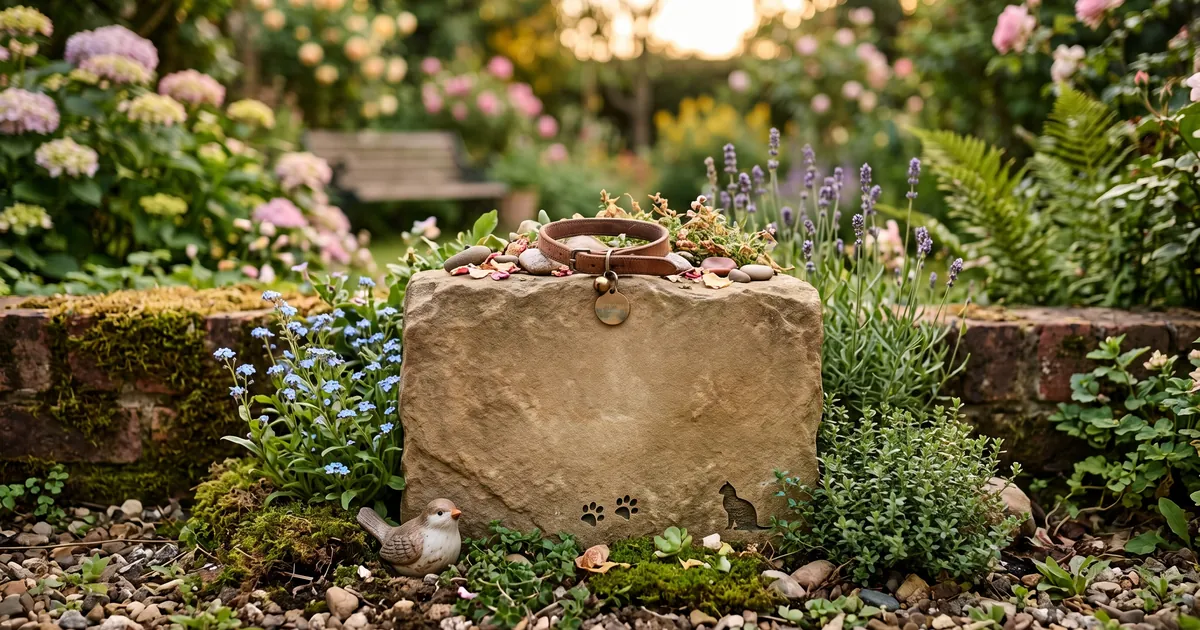
There's no right or wrong thing to do with your cat's ashes. Some owners keep them at home in an urn, some scatter them in a favourite spot in the garden, and some bury them under a new plant or tree. You can also have a small amount made into jewellery or glass keepsakes. If you'd like to scatter ashes on land you don't own, ask the landowner's permission.
Coping with the loss of your cat
Grief after losing a cat can be as painful as losing any family member. Talking helps. Cats Protection runs Paws to Listen, a free, confidential grief support service, and Blue Cross offers a pet bereavement support line and email service. Children may need extra support and simple, honest explanations. Other pets in the household may also seem unsettled for a few weeks; keep their routine as normal as possible.
If your cat had a long illness, such as kidney disease, you may find our guide to renal diets for cats useful if you have other cats, or when supporting friends with an older cat.
Planning ahead
It can feel uncomfortable, but thinking about what you'd like while your cat is still healthy can make things easier later. Talk to your family, ask your vet what crematorium they use and what it costs, and decide whether you'd like ashes returned. If your cat is elderly or unwell, our guide to cat euthanasia costs and when to consider it may help you prepare.
FAQs
How much does it cost to cremate a cat in the UK?
A communal cremation, where ashes are not returned, usually costs £30 to £100. An individual cremation with ashes returned in a simple container usually costs £120 to £300. Witnessed cremations, premium urns and home collection add to the price.
What is the difference between communal and individual cremation?
In a communal cremation, several pets are cremated together and the ashes are not returned; they are usually scattered in a garden of remembrance. In an individual cremation, your cat is cremated alone and you receive only your cat's ashes.
How long does it take to get my cat's ashes back?
Through a vet, ashes are usually returned within 1 to 3 weeks. Some crematoria offer a same-day or next-day service if you take your cat to them directly.
Can I bury my cat at home instead?
In the UK, you can usually bury a pet on land you own and live on, as long as it's not hazardous waste and it's away from water sources. You can't normally bury a pet in a rented garden without permission. Bury deep enough to prevent other animals disturbing the grave.
Does pet insurance pay for cat cremation?
Some pet insurance policies include a contribution towards euthanasia and cremation costs, often up to a set limit. Check your policy documents or ask your insurer.
Can I be present at my cat's cremation?
Many private pet crematoria offer a witnessed cremation, where you can say goodbye in a quiet room and be present. It costs more than a standard individual cremation and is best booked directly with the crematorium.
Sources and further reading
This guide is for general information only and is not a substitute for advice from a vet. Medicines, doses and costs change: always follow your vet and the product leaflet. If your cat is unwell or you think it has eaten something toxic, contact your vet or an emergency vet straight away.