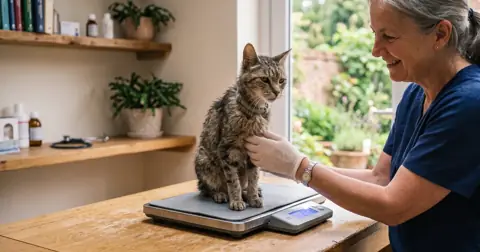
Cat euthanasia cost in the UK and knowing when it's time
Deciding to put a cat to sleep is one of the hardest choices an owner faces. In the UK, cat euthanasia cost is usually £80 to £200 at a vet practice and £200 to £450 for a home visit, plus cremation if you choose it. This guide explains the costs, what happens, and how to recognise when it may be the kindest choice.
Quick answer
- At a vet practice: usually £80–£200, often including sedation.
- Home visit: usually £200–£450, more out of hours.
- Cremation is extra: £30–£100 communal or £120–£300 individual.
- Charities such as PDSA may help eligible owners; some insurance policies contribute to end-of-life costs.
Cat euthanasia cost: UK price guide
| Service | Typical UK cost |
|---|---|
| Euthanasia at the practice, including sedation | £80–£200 |
| Home euthanasia visit (daytime) | £200–£450 |
| Out-of-hours euthanasia (evening, weekend, emergency) | £250–£600 |
| Communal cremation | £30–£100 |
| Individual cremation with ashes returned | £120–£300 |
| Euthanasia and cremation package (some home services) | £300–£650 |
Indicative UK prices at the time of writing. Costs vary by region and practice; ask your vet for a quote, and don't feel awkward about asking.
For more detail on what happens after, see our guide to cat cremation cost, which explains communal, individual and witnessed cremation.
At the vet or at home?
Euthanasia at the vet practice
This is the most common and affordable option. Many practices offer a quiet room or an appointment at the end of the day, and some have a separate entrance so you don't need to pass through the waiting room. Ask whether you can pay in advance so you don't have to deal with the bill afterwards.
Home euthanasia
A home visit lets your cat stay in a familiar, calm place, which many owners find comforting, especially for cats that get very stressed travelling. It costs more because a vet and usually a nurse travel to you. Some specialist home euthanasia services also arrange cremation and collection. Book as early as you can, as availability can be limited.
What happens during cat euthanasia
- Consent: the vet will explain the process and ask you to sign a consent form, and discuss what you'd like to happen afterwards (cremation or burial).
- Sedation: most vets give a sedative injection first, so your cat becomes calm and sleepy.
- Preparing a vein: a small patch of fur on a leg may be clipped, and sometimes a catheter is placed.
- The injection: the vet gives an overdose of an anaesthetic. Your cat loses consciousness within seconds and the heart stops shortly after.
- Afterwards: the vet confirms that your cat has died. Your cat's eyes may stay open, and you may see muscle twitches or a final breath. These are reflexes, not signs of distress.
You can stay with your cat for as long as you need afterwards.
How to know when it's time
There's rarely one perfect moment. Many vets suggest thinking about quality of life rather than a specific illness. Ask yourself whether your cat:
- Is eating and drinking enough to maintain weight.
- Can move around, use the litter tray and groom.
- Is in pain that can't be controlled with medication.
- Still enjoys favourite things: sunny spots, attention, food, the garden.
- Has more good days than bad days.
Some owners find it helpful to mark each day on a calendar as good or bad. When bad days outnumber good ones, it may be time to talk to your vet.
Kidney failure in cats: when to consider euthanasia
Chronic kidney disease (CKD) is one of the most common illnesses in older cats. With a renal diet, fluids and medication, many cats live comfortably for a long time. Signs that kidney disease may be reaching its end stage include:
- Refusing food for more than a day or two, despite appetite stimulants.
- Frequent vomiting, mouth ulcers or a strong ammonia smell on the breath.
- Severe weight and muscle loss.
- Weakness, especially in the back legs, or hiding away.
- Not responding to fluids or other treatment.
Your vet can repeat blood tests and help you understand how your cat is coping. Discussing a plan early can prevent a crisis at night or at the weekend.
When to euthanize a cat with seizures
Seizures have many causes, from epilepsy and toxins to liver disease and brain tumours. Many cats with epilepsy live normal lives on medication. Euthanasia may be considered when seizures become frequent, prolonged or clustered despite treatment, when they're caused by an untreatable condition, or when your cat struggles to recover between episodes. A seizure lasting more than five minutes is an emergency: contact a vet straight away.
Other conditions where owners face this decision
- Hyperthyroidism that no longer responds to treatment or has caused heart disease. See our guide to Thyronorm for cats.
- Cancer, especially when pain or breathing problems can't be controlled.
- Severe arthritis that prevents normal movement despite pain relief. Read about Metacam for cats.
- Serious injuries after a road accident, where recovery isn't realistic.
- Heart failure with breathing difficulty.
Cat euthanasia for very old cats
Sometimes there is no single illness, just a very old cat whose body is gradually failing. Cats in their late teens and twenties may sleep most of the day, lose muscle, become confused at night or stop grooming. If your cat is comfortable and still eating, there's no rush. When weakness, confusion or incontinence start to take away its dignity and comfort, talking to your vet about cat euthanasia is an act of love, not giving up. Our cat years calculator shows just how old a senior cat is in human terms.
Help with cat euthanasia cost
- PDSA offers free or reduced-cost care, including end-of-life care, to eligible owners.
- Blue Cross and some local charities may help in their areas.
- Pet insurance policies sometimes contribute towards euthanasia and cremation; check your policy or our guide to cat insurance.
- Payment plans: many practices will let you pay later or in instalments.
Never let cost stop your cat getting a peaceful end. Tell your vet if you're struggling; they will help you find a way.
Preparing yourself and your family
- Decide in advance whether you'd like to be present, and who else will come.
- Choose cremation or burial ahead of time so you don't have to decide on the day.
- Bring your cat's favourite blanket.
- Explain honestly and simply to children what will happen.
- Consider letting other pets see your cat afterwards; some seem to understand better.
Grief support
Feeling guilt, doubt or overwhelming sadness is normal. Cats Protection's Paws to Listen service and the Blue Cross Pet Bereavement Support Service offer free, confidential support by phone and email. Talking to friends who've lost a pet, writing about your cat or creating a small memorial can also help.
Cat euthanasia cost: questions to ask your vet
When the time comes, it can help to have a short list of questions written down, so you don't have to think on the day:
- What is the total cost, including sedation and any cremation?
- Can we book a quiet appointment, such as at the start or end of the day?
- Can I pay in advance, so I don't have to wait at reception afterwards?
- Do you offer home visits, and how much more do they cost?
- Which crematorium do you use, and when would the ashes be returned?
- Can I bring my cat's blanket or a favourite toy?
Vets and nurses deal with these conversations every day and will be kind and patient. There are no wrong questions.
FAQs
How much is it to put a cat to sleep in the UK?
At a vet practice, putting a cat to sleep typically costs £80 to £200, often including a sedative first. A home visit usually costs £200 to £450, and more out of hours. Cremation is charged separately unless included in a package.
Is it painful for a cat to be put to sleep?
No. Most vets give a sedative first so your cat is relaxed or asleep. The euthanasia drug is an overdose of an anaesthetic, which causes deep unconsciousness within seconds and then stops the heart. Your cat may twitch or take a deep breath afterwards, but these are reflexes and not signs of pain.
When should you euthanize a cat with kidney failure?
Many cats live well with kidney disease for months or years with treatment. It may be time to consider euthanasia when your cat stops eating, vomits frequently, becomes very weak or dehydrated despite treatment, or no longer enjoys the things it used to. Your vet can help you assess quality of life.
When should you euthanize a cat with seizures?
Seizures can often be controlled with medication. Euthanasia may be considered if seizures become frequent or prolonged despite treatment, if they're caused by an untreatable condition such as a brain tumour, or if your cat has a poor quality of life between seizures.
Can I be with my cat when it's put to sleep?
Yes. Most vets encourage owners to stay if they feel able, and many cats are calmer with their owner present. It's equally fine to say goodbye beforehand if you'd rather not be in the room.
Will the PDSA help with euthanasia costs?
PDSA provides free or reduced-cost veterinary care, including end-of-life care, to eligible owners on certain benefits within its catchment areas. Check eligibility on the PDSA website.
Sources and further reading
This guide is for general information only and is not a substitute for advice from a vet. Medicines, doses and costs change: always follow your vet and the product leaflet. If your cat is unwell or you think it has eaten something toxic, contact your vet or an emergency vet straight away.