Cat flap installation: costs and how to fit one
Professional cat flap installation in the UK usually costs £60 to £120 in a wooden door, £70 to £180 in a uPVC door and £150 to £350 in a glass door, plus the flap itself. Fitting a cat flap in a wooden door is a manageable DIY job. Here's what each type of installation involves, what it costs and how to train your cat to use it.
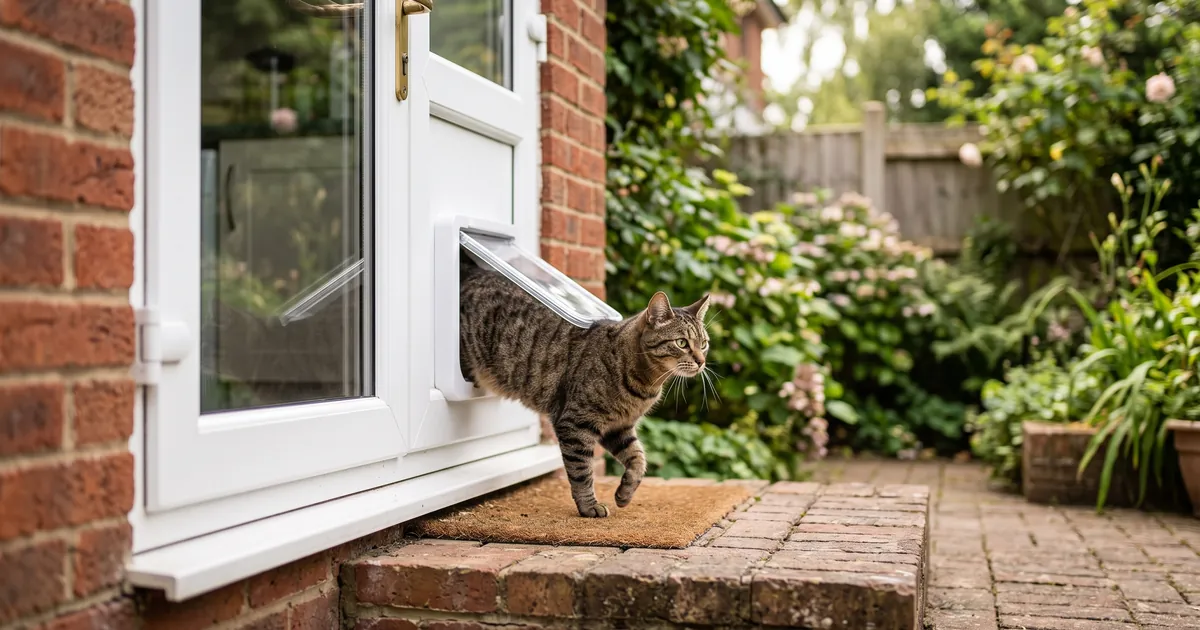
Quick answer
- Wooden door: £60–£120 to fit; often a DIY job.
- uPVC door: £70–£180, usually by fitting a replacement panel with a pre-cut hole.
- Glass or double-glazed door: £150–£350, because a new sealed glass unit must be made.
- Fit the flap so the bottom edge is roughly level with your cat's belly, about 10–15 cm from the floor.
Cat flap installation cost in the UK
| Where you're fitting it | Typical fitting cost | Notes |
|---|---|---|
| Wooden door | £60–£120 | Quickest job; often DIY |
| uPVC door (replacement panel) | £70–£180 | New panel with pre-cut hole |
| Composite door | £120–£300+, if possible | May affect warranty; often a different location is better |
| Single glazed glass | £80–£180 | New pane cut with a hole |
| Double-glazed glass door or window | £150–£350 | New sealed unit made to order |
| Brick or block wall | £150–£350+ | Core drilling plus a wall tunnel liner |
Fitting costs are indicative and don't include the flap. Get two or three quotes and check reviews.
How much does the cat flap itself cost?
- Basic manual flap: £15–£30, with a 4-way lock.
- Magnetic flap: £25–£50, opened by a magnet on the collar.
- Microchip flap: £60–£150, opens only for your cat's microchip, keeping neighbourhood cats out.
- Large or extra-large flap: for big breeds such as the Maine Coon.
Cat flap installation in different doors
Wooden doors
A solid or panelled wooden door is the easiest place for a cat flap. You draw round the template supplied with the flap, drill holes in the corners, cut out the shape with a jigsaw and screw the two halves of the flap together through the door. A handy DIYer can do it in an hour or two. Seal the cut edges with paint or wood sealant to stop moisture getting in.
uPVC doors
Most uPVC doors have a solid lower panel. The neatest, most secure option is to replace it with a new panel made with a hole for the flap. A door fitter or glazier measures the panel thickness and orders a matching replacement, which slots in using the existing beading. Cutting an existing panel is possible, but many are hollow or foam-filled and need a liner to seal the edges.
Composite doors
Composite doors have a solid foam or timber core with a GRP skin. Cutting them can damage the skin, let water in and void the manufacturer's guarantee. If you're getting a new door, ask for one with a cat flap built in. Otherwise, consider a wall, window or side door.
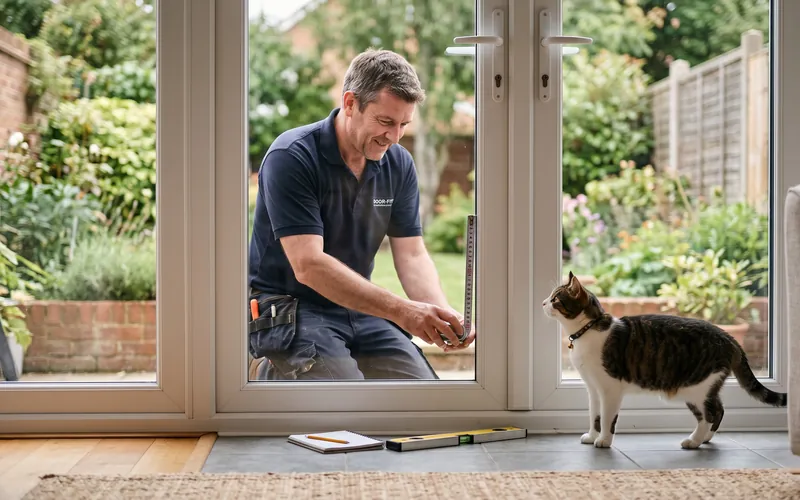
Glass doors and double glazing
You can't cut a hole in an existing double-glazed unit. Instead, a glazier measures your door and orders a new sealed unit with a circular hole. The flap is then fitted through the hole using an adaptor. It typically takes 1 to 3 weeks for the glass to be made, and the fitting itself takes about an hour. Most glass cat flap installations cost £150 to £350 including the new glass, but not the flap. Ask for toughened safety glass, which is required in doors.
Walls
Fitting a cat flap through a wall involves core drilling a hole and fitting a tunnel liner between the inside and outside flaps. It's a job for a builder, as you must avoid cables, pipes, damp-proof courses and structural features, and seal the cavity properly. Wall installation keeps your doors intact and works well for back doors you can't change.
Windows
Window cat flaps are fitted the same way as glass door flaps, using a new sealed unit. Make sure there's a safe way for your cat to reach and leave the window, such as a sturdy ledge or ramp, and that it can't be used by intruders.
How to fit a cat flap in a wooden door (DIY)
- Measure your cat's belly height from the floor; the bottom of the opening should be about this height (usually 10–15 cm).
- Check the door's thickness against the flap's specification, and buy a tunnel extension if needed.
- Remove the door from its hinges if possible; it's easier to work flat.
- Tape the template to the door at the right height, centred, and draw round it.
- Drill a hole inside each corner of the shape, large enough for a jigsaw blade.
- Cut along the lines with a jigsaw, keeping the blade straight.
- Sand and seal the cut edges.
- Fit the flap, screwing the inner and outer frames together through the door.
- Test the flap swings freely and the lock works, then rehang the door.
Tip: before cutting, check there's no metal plate, glazing bar or letterbox mechanism inside the door, and that you aren't cutting into a fire door. Fire doors shouldn't have cat flaps fitted.
How to train a cat to use a cat flap
- Let your cat explore the flap for a day or two with it locked or taped open.
- Prop it fully open and encourage your cat through with treats, a favourite toy or its meal on the other side.
- Partly lower the flap so your cat has to nudge it.
- Close it fully and let your cat push through. Reward every success.
- For microchip or magnetic flaps, programme it first and let your cat hear the click before pushing.
Most cats learn within days, though nervous cats can take a couple of weeks. Never push your cat through, as it may become frightened of the flap.
Choosing the right cat flap
- Microchip flaps stop other cats coming in and stealing food or spraying, a common problem in towns.
- Timer or app-controlled flaps let you keep your cat in at night, when road accidents and wildlife encounters are more likely. See our guide to whether foxes and badgers attack cats.
- Insulated or draught-proof flaps help keep heat in.
- Large flaps suit big cats and multi-cat homes.
When to let your cat use a new cat flap
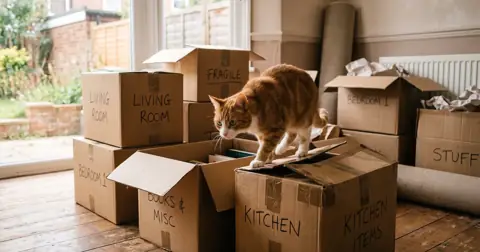
If you've just moved house, keep your cat indoors for at least two to three weeks before giving it access to the flap, so it learns that the new home is its territory. Our guide to keeping a cat in after moving explains the steps. Kittens shouldn't go outside until they're fully vaccinated, neutered and microchipped.
Finding a cat flap fitter near you
Search for a local glazier for glass doors, or a door fitter or handyperson for wooden and uPVC doors. When getting quotes, ask:
- Is the flap included, or do I supply it?
- For glass: is the new unit toughened safety glass, and how long will it take to make?
- For uPVC: will you replace the panel or cut it, and will the edges be sealed?
- Is the work guaranteed, and do you have insurance?
Cat flap installation and home security
Small cat flaps are not usually large enough for a person, but bigger dog-sized flaps can be a security risk, and some burglars use tools through flaps to reach keys or handles. Fit the flap away from door handles and locks where possible, don't leave keys near the door, and choose a lockable flap. Tell your home insurer if you're unsure whether a large flap affects your policy.
Alternatives to a cat flap
If a cat flap isn't practical, perhaps you rent your home or have a composite front and back door, there are still ways to give your cat access:
- Let your cat in and out yourself on a routine, for example in the morning and at teatime.
- A temporary panel that fits into a sliding patio door or window gap, with a flap built in, which can be removed when you move.
- A cat-proofed garden or enclosure reached through a window, for safe outdoor time.
- Indoor life with plenty of enrichment, especially for breeds that suit it. See our guide to the best indoor cat breeds.
If you rent, always ask your landlord in writing before fitting a cat flap, as you may otherwise have to pay for a replacement door or panel when you leave.
FAQs
How much does cat flap installation cost in the UK?
Cat flap installation usually costs £60 to £120 in a wooden door, £70 to £180 in a uPVC door (often using a replacement panel), £150 to £350 in a glass door and £150 to £350 or more through a brick wall. The flap itself costs from about £15 for a basic model to £150 for a microchip flap.
Can you fit a cat flap in a uPVC door?
Yes. The usual method is to replace the solid uPVC panel with a new panel that has a hole cut for the flap. Some panels can be cut in place, but hollow or foam-filled panels need a lining (tunnel) so the edges are sealed. A glazier or door fitter can do this neatly.
Can you put a cat flap in a composite door?
It's difficult. Composite doors have a solid core and a skin that can be damaged and may void the door's guarantee if cut. Many fitters recommend a different location (a wall or window) or ordering a new composite door with a cat flap built in.
Can you put a cat flap in a glass door?
Yes, but you can't cut a hole in an existing double-glazed unit. A glazier measures the door, orders a new sealed glass unit made with a round hole, then fits it with your cat flap. This usually takes 1 to 3 weeks to manufacture.
How high should a cat flap be fitted?
The bottom of the flap opening should usually be about 10 to 15 cm from the floor, roughly level with your cat's belly. Measure your cat's belly height and allow for any step outside.
How do I train my cat to use a cat flap?
Prop the flap open at first and encourage your cat through with treats, food or a favourite toy. Once confident, lower the flap and let your cat push it. Most cats learn within a few days to a couple of weeks.
Sources and further reading
This guide is for general information only and is not a substitute for advice from a vet. Medicines, doses and costs change: always follow your vet and the product leaflet. If your cat is unwell or you think it has eaten something toxic, contact your vet or an emergency vet straight away.