Free cat neutering in the UK: vouchers and schemes explained
If you're on a low income or certain benefits, you may be able to get free cat neutering or a heavily discounted operation through a UK charity. Cats Protection, the RSPCA, PDSA, Blue Cross and many local rescues run neutering vouchers and schemes. Here's how they work, who usually qualifies and how to apply.
Quick answer
- Free or low-cost neutering is offered by Cats Protection, the RSPCA, PDSA, Blue Cross and many local cat rescues.
- Most schemes are for owners on means-tested benefits or a low income; some local campaigns are open to everyone.
- Vouchers usually cover most of the cost at a participating vet; you may pay a small contribution.
- Feral and stray cats can often be neutered free through trap, neuter and return programmes.
Why charities offer free cat neutering
The UK has far more cats than homes for them. Every year, rescue centres take in thousands of unplanned kittens, and many more are born to stray and feral cats. Neutering is the most effective way to reduce this, so charities fund neutering for owners who would otherwise struggle with the cost. A single unspayed female and her offspring can produce dozens of kittens in just a few years.
If you can afford a standard operation, our guide to the cat neutering cost in the UK explains typical prices and how to compare quotes.
Free cat neutering schemes in the UK
| Organisation | What they typically offer | Who it's usually for |
|---|---|---|
| Cats Protection | Neutering vouchers or financial help; local neutering campaigns | Owners on means-tested benefits or a low income; some campaigns open to all in a target area |
| RSPCA (local branches) | Neutering vouchers, subsidised neutering, some low-cost clinics | Eligible owners; varies by branch |
| PDSA | Free or reduced-cost neutering at PDSA Pet Hospitals and partner practices | Owners on certain benefits living in a PDSA catchment area |
| Blue Cross | Low-cost treatment, including neutering, at its pet hospitals | Eligible owners near a Blue Cross hospital |
| Local cat rescues and charities | Neutering vouchers, TNR for ferals, community campaigns | Varies |
Schemes, eligibility and funding change frequently and differ by area. Always check the charity's website or call your local branch for current details.
Cats Protection neutering vouchers
Cats Protection is the UK's largest cat charity, and neutering is at the heart of its work. Depending on where you live and your circumstances, it may be able to:
- Provide financial help or a voucher towards neutering at a participating vet.
- Run targeted neutering campaigns in areas with high numbers of unneutered cats, sometimes offering free or very cheap neutering and microchipping.
- Help with neutering stray and feral cats through local volunteers.
To apply, contact Cats Protection via its website or your nearest branch. You may need proof of benefits, such as a recent award letter, and your cat's details. Owners are sometimes asked for a small contribution.
RSPCA cat neutering vouchers
RSPCA branches are independent charities within the RSPCA, so help varies across the country. Many branches offer neutering vouchers or subsidised operations for owners who receive benefits or are on a low income, and some run their own clinics. Find your nearest branch on the RSPCA website and ask what's currently available. Funding is often limited, so apply early, especially if your cat is approaching 4 months old.

PDSA free and reduced-cost neutering
PDSA provides veterinary care to pets of people who can't afford private vet fees. To qualify, you generally need to:
- Receive certain means-tested benefits, such as Universal Credit (with specific elements), Housing Benefit or Council Tax Support, and
- Live within the catchment area of a PDSA Pet Hospital or a partner practice.
Eligible owners can access neutering at no cost or for a contribution, depending on their benefits. PDSA's website has an eligibility checker where you enter your postcode and benefits.
Blue Cross and other charities
Blue Cross runs pet hospitals that offer reduced-cost treatment, including neutering, for eligible owners. Other organisations, such as the Celia Hammond Animal Trust in London and the South East, and many independent cat rescues, run low-cost neutering clinics or voucher schemes. Searching for "cat neutering scheme" plus your town often turns up local options.
How to apply for free cat neutering
- Check your eligibility on the PDSA website and with Cats Protection.
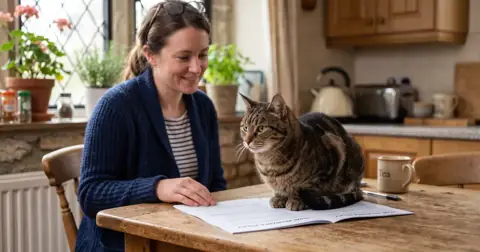
- Gather proof of benefits or income, plus your address and your cat's age and sex.
- Contact the charity or your local RSPCA branch by phone, email or online form.
- Receive your voucher or appointment details, and check which vets accept it.
- Book promptly: vouchers often have an expiry date.
- Ask about microchipping at the same appointment. It's a legal requirement in England and is often included or discounted.
Free neutering for stray and feral cats
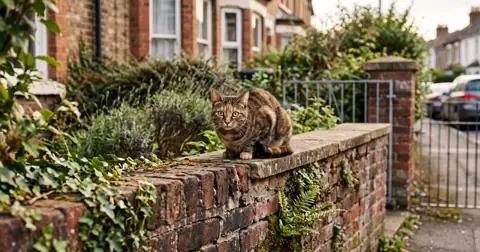
If you're feeding a cat that doesn't seem to belong to anyone, neutering stops it adding to the stray population. Before doing anything, check whether the cat is owned: take it to a vet to be scanned for a microchip, or ask neighbours and post on local lost-and-found groups. Our guide on how to tell if a cat is a stray or feral explains what to look for.
For truly feral cats, charities run trap, neuter and return (TNR) programmes. Trained volunteers humanely trap the cat, a vet neuters it and usually ear-tips it (removes a small tip of the left ear) to show it's been neutered, and it is returned to its territory. These programmes are usually free.
Free cat neutering vouchers: avoiding scams
Search results for "free cat neutering vouchers online" sometimes include sites that aren't genuine. Remember:
- Genuine vouchers are issued by charities after checking eligibility; you don't buy them from third parties.
- No legitimate charity will ask you to pay a fee for a voucher by bank transfer.
- Check that the website belongs to a registered charity.
What if I don't qualify?
If you don't meet the criteria for free cat neutering, there are still ways to reduce the cost:
- Ask local practices for a quote and compare the full price, including extras.
- Join a practice health plan, which often includes a neutering discount and spreads routine costs. See our guide to cat vaccination costs.
- Look out for community neutering campaigns, which may be open to everyone in an area for a short time.
- Ask your vet about paying in instalments.
- Adopt cats from rescues, which neuter before rehoming.
Why neutering early matters
Kittens can become pregnant from around 4 months old, and a female cat can come back into season within weeks of giving birth. UK cat welfare groups recommend neutering at about 4 months. Applying for a voucher early means your kitten can be neutered before her first season. If your cat is already calling or rolling around, read our guide to cats in heat, and if you think she may be pregnant, see our cat pregnancy calculator.
Free cat neutering and your cat's health
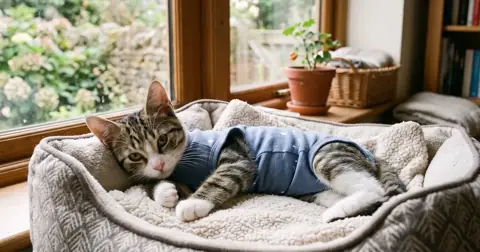
Neutering through a charity scheme is carried out by qualified vets to the same standards as private surgery. The benefits are the same: no unwanted litters, a lower risk of mammary cancer and womb infections in females, and less fighting, roaming and spraying in males. Follow the aftercare instructions you're given and attend any post-operative checks.
Free cat neutering vouchers 2025 and 2026: how schemes change
Neutering schemes are funded by donations and grants, so they change from year to year. A voucher scheme that ran in your area in 2024 or 2025 may have ended, while a new campaign may have started elsewhere. Charities often focus funding on areas with the most unneutered cats, or run time-limited campaigns in spring, before the main kitten season. If a charity can't help right now, ask to be told when funding reopens, and check again every few months.
Local authorities and housing associations occasionally fund neutering for tenants too, especially in areas with large numbers of stray cats. It's worth asking your council or landlord if you're struggling to find help.
FAQs
Who qualifies for free cat neutering in the UK?
Eligibility varies by charity and area, but most schemes help owners who receive means-tested benefits (such as Universal Credit, Pension Credit or Council Tax Support) or who are on a low income. Some local campaigns offer free or cheap neutering to anyone in a particular postcode for a limited time.
How do I get a Cats Protection neutering voucher?
Contact Cats Protection through its website or your nearest Cats Protection branch or centre. If you're eligible, they can provide financial help towards neutering, usually as a voucher or payment to a participating vet. You may be asked for proof of benefits or income.
Does the RSPCA offer free cat neutering?
Many local RSPCA branches offer neutering vouchers or subsidised neutering for eligible owners, and some run low-cost clinics. Schemes differ from branch to branch, so contact your local branch to ask what's available.
Does PDSA neuter cats for free?
PDSA provides free or reduced-cost veterinary care, including neutering, to eligible owners who receive certain benefits and live within the catchment area of a PDSA Pet Hospital or partner practice. You can check your eligibility on the PDSA website using your postcode.
Are there free cat neutering vouchers online?
Some charities let you apply online or download a form, but vouchers are always issued by the charity after checking your eligibility. Be wary of websites selling 'vouchers' or asking for payment upfront.
Can I get a stray or feral cat neutered for free?
Often, yes. Cats Protection, local rescues and some RSPCA branches run trap, neuter and return (TNR) schemes for feral cats, frequently at no cost. First check whether the cat is owned by scanning for a microchip at a vet.
Sources and further reading
This guide is for general information only and is not a substitute for advice from a vet. Medicines, doses and costs change: always follow your vet and the product leaflet. If your cat is unwell or you think it has eaten something toxic, contact your vet or an emergency vet straight away.