Cat vaccinations cost in the UK: kitten jabs and boosters
In the UK, cat vaccinations cost around £60 to £120 for a kitten's first course and £45 to £75 for each annual booster. Prices depend on your area, the vaccines your cat needs and whether you're on a practice health plan. This guide explains what each vaccine protects against, when it's due and how to keep costs down.
Quick answer
- Kitten primary course (two injections): £60–£120.
- Annual booster: £45–£75, usually including a health check.
- Core vaccines protect against cat flu and feline enteritis; FeLV is recommended for cats that go outdoors.
- Health plans (around £10–£20 a month) often include boosters plus flea and worm treatment.
Cat vaccinations cost: UK price guide
| Vaccination | Typical UK cost |
|---|---|
| Kitten primary course (2 injections, core vaccines) | £60–£120 |
| Kitten primary course including FeLV | £80–£150 |
| Annual booster (core) | £45–£65 |
| Annual booster including FeLV | £55–£80 |
| Restarting a lapsed course (2 injections) | £70–£130 |
| Rabies vaccine (for travel) | £50–£90, plus travel paperwork |
| Practice health plan including vaccines | £10–£20 per month |
Prices are typical UK ranges at the time of writing and vary by practice and region. Ask your vet for a quote.
The price of a vaccination appointment usually includes a full health check by the vet: listening to the heart and lungs, checking teeth, eyes, ears, coat and weight. For many cats, this yearly check is the most important part of the visit, as it picks up problems such as dental disease, heart murmurs and weight changes early.
Which vaccines do UK cats need?
Core vaccines (all cats)
- Feline herpesvirus (FHV-1) and feline calicivirus (FCV): the main causes of cat flu, which can cause sneezing, runny eyes, mouth ulcers and serious illness in kittens. See our guide to cat cold symptoms.
- Feline panleukopenia virus (FPV): also called feline enteritis or feline parvovirus. It causes severe vomiting and diarrhoea and is often fatal in kittens. The virus survives in the environment for months.
Non-core vaccines (depending on lifestyle)
- Feline leukaemia virus (FeLV): spread through close contact, grooming, sharing bowls and bites. It's recommended for cats that go outdoors or live with other cats of unknown status.
- Chlamydia felis and Bordetella: occasionally recommended in multi-cat homes, catteries or breeding colonies.
- Rabies: not needed in the UK, but required for cats travelling abroad.
Cat immunisation schedule
| Age | Vaccination |
|---|---|
| 8–9 weeks | First kitten vaccination (core ± FeLV) |
| 11–12 weeks | Second kitten vaccination |
| 16 weeks (some practices) | Third dose, especially for high-risk kittens |
| 6 or 12 months later | First booster |
| Every year after | Booster: cat flu yearly; enteritis often every 3 years; FeLV as advised |
Your vet will tailor the schedule to your cat. Many practices give some components yearly and others every three years, which is why the price can vary from one year to the next.
How much are cat vaccinations for kittens?
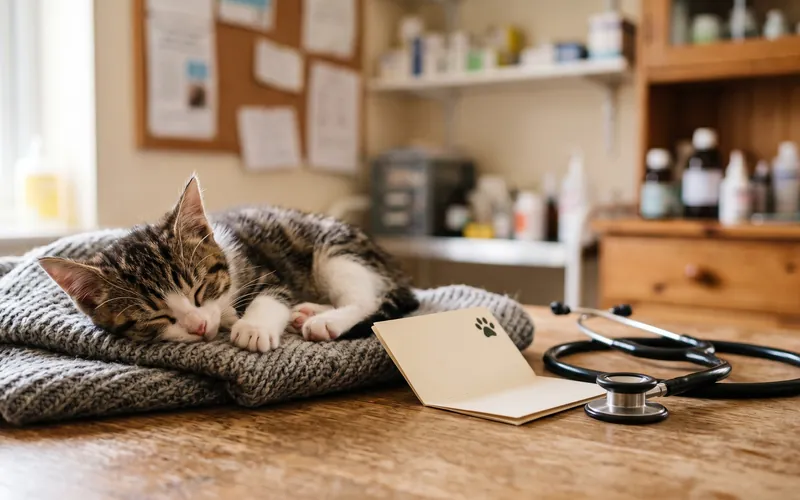
The kitten course is the biggest single vaccination cost. Expect to pay £60 to £120 for two injections at most UK practices, or more if FeLV is included or a third dose is recommended. Many practices offer a "kitten package" that bundles vaccinations with:
- Flea and worm treatment for the first months.
- Microchipping (a legal requirement in England by 20 weeks old).
- A discount on neutering. See our guide to cat neutering cost.
- A few weeks of free pet insurance.
Kitten packages can be good value if you would buy those services anyway. If your kitten came from a rescue or breeder, check whether the first vaccination has already been given before booking.
Annual booster costs
After the kitten course, cats need regular boosters to stay protected. Most UK cats have a booster every year, costing around £45 to £75 including the health check. Not every component is given every year, but the yearly visit keeps protection against cat flu up to date and gives your vet the chance to examine your cat.
Do cat vaccinations cost more for older cats?
No: the vaccine itself costs the same at any age. But older cats are more likely to need extra tests or treatment found at the yearly health check, such as blood tests, dental work or blood pressure checks, so the total bill for the visit can be higher.
What happens if a booster is late?
If a booster is more than a few months overdue, immunity may have dropped. Your vet may recommend restarting with two injections 3–4 weeks apart, which costs more than a single booster. Booking on time saves money.
How to reduce cat vaccinations cost
- Join a health plan. Most practices offer a monthly plan (about £10–£20) covering annual vaccinations, a health check, flea and worm treatment and discounts on other services.
- Look for kitten packages that combine vaccinations with microchipping and neutering discounts.
- Keep boosters on time so you never have to restart the course.
- Compare practices in your area, asking what the price includes.
- Check charity help. PDSA and some local charities offer reduced-cost vaccinations for eligible owners.
- Vaccination clinics. Some charities and practices run occasional low-cost vaccination days.
Cat shots near me: finding a vet
If you're searching for "cat shots near me" or a vaccination in your town, look for a practice that's easy to reach in an emergency too. Things to check:
- Whether the practice is accredited as a Cat Friendly Clinic, with separate cat waiting areas and cat-savvy handling.
- Opening hours and out-of-hours emergency cover.
- Whether they offer a health plan.
- Reviews from local cat owners.
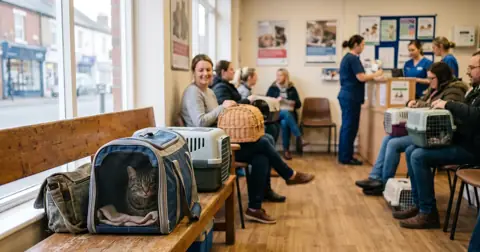
Transport your cat in a secure carrier, covered with a towel to reduce stress.
Do indoor cats need vaccinations?
Most vets recommend core vaccinations for indoor cats too. Cat flu viruses and feline enteritis can be carried into the home on shoes and clothing, and the enteritis virus survives for months. Indoor cats may also need to stay in a cattery, visit the vet or escape outside. An indoor-only cat that never meets other cats may not need the FeLV vaccine, which can lower the cost slightly.
Vaccinations, catteries, cat sitters and insurance
- Catteries usually require proof of up-to-date vaccinations, often given at least 2–4 weeks before your cat's stay.
- Cat sitters who care for your cat at home may not require it, but it's still important. Compare options in our guide to cat sitter costs.
- Insurance doesn't pay for vaccinations, and some policies exclude preventable diseases if your cat isn't vaccinated. See our guide to cat insurance.
Side effects of cat vaccinations
Most cats have no side effects or only mild ones for a day or two:
- Sleepiness and a slightly reduced appetite.
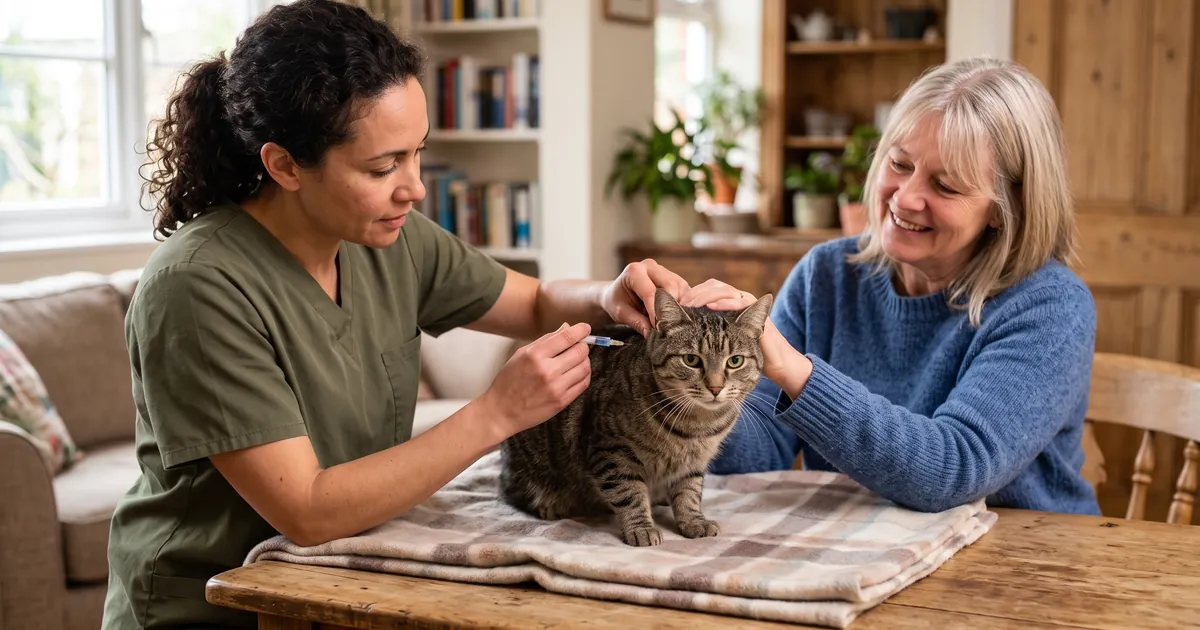
- A small, sore lump at the injection site, which usually disappears within a few weeks.
- Mild fever or sneezing (after some intranasal or live vaccines).
Rarely, cats have an allergic reaction, with facial swelling, vomiting or difficulty breathing, usually within hours. Contact your vet immediately if this happens. Very rarely, a lump at the injection site can develop into a tumour (injection-site sarcoma); tell your vet if a lump grows or lasts more than three months. The benefits of vaccination far outweigh these small risks.
Cat vaccinations cost compared with treating disease
Vaccinating is far cheaper than treating the diseases it prevents. Hospital treatment for feline enteritis or severe cat flu can easily cost several hundred to over a thousand pounds, and many kittens don't survive enteritis even with treatment. Feline leukaemia has no cure. Spending £45 to £75 a year on a booster and health check is one of the best-value things you can do for your cat.
Vaccinating rescue and adult cats with unknown history
If you adopt an adult cat with no vaccination records, your vet will usually treat it like a kitten and give two injections 3–4 weeks apart, then yearly boosters. Rescue centres normally vaccinate cats before rehoming and give you a record card. If you've taken in a stray, see our guide to how to tell if a cat is a stray or feral before starting vaccinations, in case it already has an owner.
FAQs
How much are cat vaccinations in the UK?
A kitten's first course of vaccinations usually costs £60 to £120 for two injections, and an annual booster usually costs £45 to £75. Adding the feline leukaemia (FeLV) vaccine can increase the price by around £10 to £25. Prices vary by practice and region.
What vaccines do cats need in the UK?
Core vaccines for UK cats protect against feline herpesvirus and calicivirus (the main causes of cat flu) and feline panleukopenia (feline enteritis). The feline leukaemia virus (FeLV) vaccine is recommended for cats that go outdoors or live with other cats. Rabies vaccination is only needed for travel abroad.
When should kittens have their first vaccinations?
Kittens usually have their first vaccination at 8 to 9 weeks old and a second 3 to 4 weeks later, at around 12 weeks. Some vets recommend a third dose at 16 weeks. Kittens should be kept indoors until a week or two after their final injection.
Do indoor cats need vaccinations?
Yes. Indoor cats can be exposed to viruses carried in on shoes and clothing, and they may need a cattery stay or escape outdoors. Most vets recommend core vaccines for all cats, though indoor-only cats may not need FeLV.
Does pet insurance cover cat vaccinations?
No. Vaccinations are routine care, so insurance doesn't pay for them. Some insurers won't cover illnesses that vaccination could have prevented if your cat isn't up to date.
What happens if my cat misses its booster?
If a booster is overdue by more than a few months, your vet may recommend restarting the primary course of two injections, which costs more. Book boosters on time to avoid this.
Sources and further reading
This guide is for general information only and is not a substitute for advice from a vet. Medicines, doses and costs change: always follow your vet and the product leaflet. If your cat is unwell or you think it has eaten something toxic, contact your vet or an emergency vet straight away.