Cat sitter guide: UK costs and how to find a good one
A good cat sitter lets your cat stay in its own home while you're away, which most cats find far less stressful than a cattery. In the UK, a drop-in cat sitter usually costs £10 to £20 per visit, and overnight house sitting costs £30 to £60 a night. Here's what to expect, how to find a trustworthy sitter and what to prepare before you go.
Quick answer
- Drop-in visit (20–40 minutes): typically £10–£20; most cats need 1–2 visits a day.
- Overnight house sitting: around £30–£60 a night.
- Choose a sitter who is insured, DBS-checked and has references from other cat owners.
- Book a meet-and-greet first and leave written care notes and your vet's details.
Cat sitter cost in the UK
| Service | Typical UK cost |
|---|---|
| Drop-in visit (20–40 minutes) | £10–£20 per visit |
| Two visits a day | £20–£35 per day |
| Overnight house sitting | £30–£60 per night |
| Live-in house sitting (24/7) | £40–£80 per day |
| Giving medication or injections | £2–£5 extra per visit |
| Each additional cat | £1–£3 extra per visit |
| Bank holidays, Christmas and New Year | Often 25–50% extra |
Indicative UK prices. Rates vary by region, experience and the services included.
Cat sitter costs in UK cities
Prices are typically highest in London and lower in many other cities. As a rough guide for a single drop-in visit:
| Area | Typical drop-in visit |
|---|---|
| London | £15–£25 |
| Bristol, Brighton, Oxford, Cambridge | £12–£20 |
| Birmingham, Manchester, Leeds | £11–£18 |
| Liverpool, Sheffield, Newcastle, Glasgow, Cardiff | £10–£16 |
| Smaller towns and rural areas | £9–£15, plus possible travel charge |
Cat sitter vs cattery
| Cat sitter | Cattery | |
|---|---|---|
| Cost | £10–£35 a day for visits | £10–£25 a night |
| Stress for your cat | Usually low: stays at home | Can be higher: new place, smells and sounds |
| Supervision | Only during visits (unless house sitting) | Staff on site |
| Vaccinations needed | Not usually | Yes, up to date |
| Home security | House looks occupied; post brought in | House empty |
| Best for | Most cats, multi-cat homes, older cats | Cats that might escape, need constant care or for long trips |
If you choose a cattery, check our guide to cat vaccination costs, because catteries require proof of up-to-date vaccinations, usually given at least 2–4 weeks before the stay.
How to find a cat sitter near you
- Ask for recommendations from your vet practice, neighbours with cats and local community groups.
- Check professional credentials: public liability insurance that covers pet care and key holding, a basic DBS check, and membership of a recognised pet-sitting association.
- Read reviews and ask for references from current cat-owning clients.
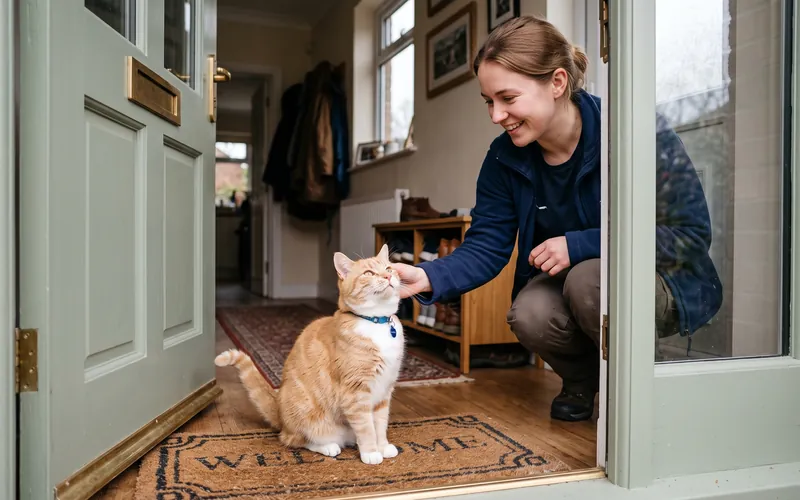
- Arrange a free meet-and-greet at your home so the sitter can meet your cat and learn the routine.
- Agree everything in writing: visit times, length, price, cancellation terms and what happens in an emergency.
- Do a trial for a weekend before a long holiday if you can.
Questions to ask a cat sitter
- How long have you been pet sitting, and how many cats do you care for?
- Are you insured and DBS-checked? Can I see the documents?
- How long is each visit, and what will you do during it?
- Will you send updates or photos?
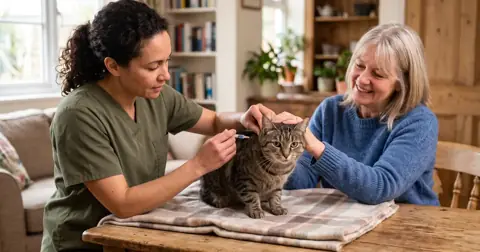
- Can you give medication, and have you done it before?
- What happens if my cat is unwell or goes missing?
- Who covers for you if you're ill?
- How do you store and return keys?
What a cat sitter does on each visit
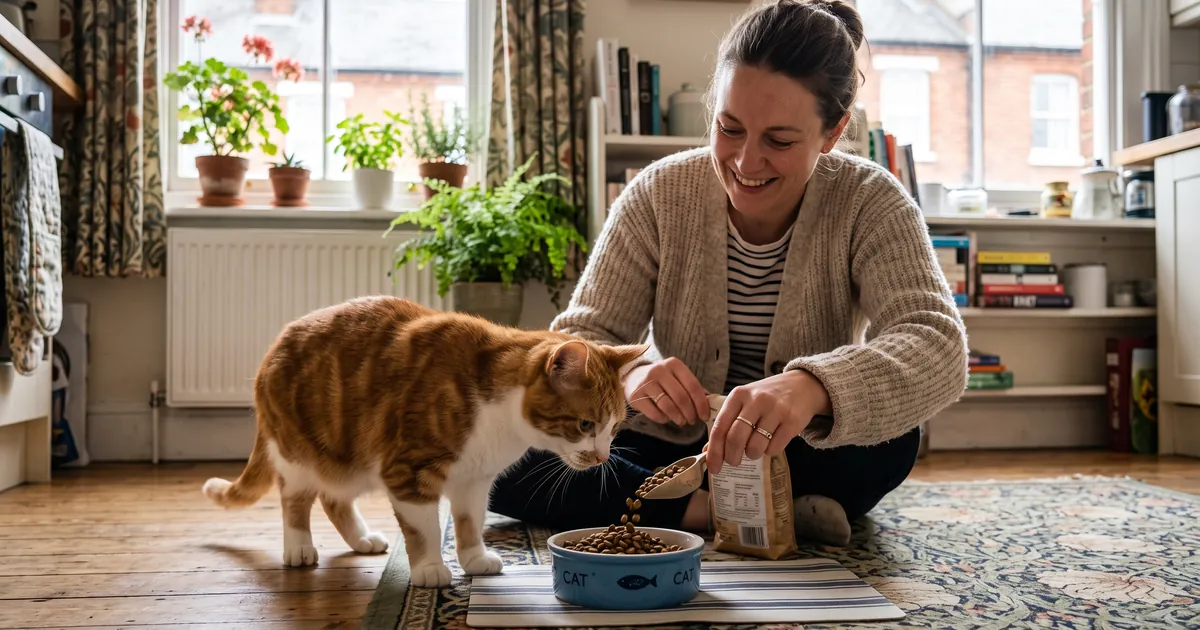
- Feeds your cat and refreshes water.
- Scoops and refills the litter tray.
- Checks your cat is eating, drinking and using the tray normally.
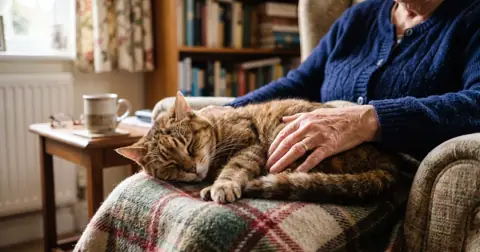
- Spends time playing, grooming or simply sitting with your cat.
- Gives any medication.
- Brings in post, opens and closes curtains and waters plants (often included).
- Lets you know if anything seems wrong.
Preparing your home for a cat sitter
- Write care notes: feeding amounts, times, treats, where your cat hides, and quirks.
- Leave enough supplies: food for the whole trip plus a few extra days, litter, bin bags and cleaning products.
- Vet details: leave your vet's name, address, phone number and a signed consent form allowing the sitter to arrange treatment. Tell your vet in advance.
- Medication: label doses clearly and leave instructions. Our guide on how to give a cat a pill is handy to share with your sitter.
- Emergency contacts: a friend or family member who can help if needed.
- Check microchip details are up to date, in case your cat goes missing.
- Remove hazards: secure windows, put away toxic plants and cleaning products. Check houseplants with our toxic plant checker.
Keeping your cat calm while you're away
Most cats cope well with a regular sitter, but some become withdrawn or stop eating when their owners are away. To help:
- Keep feeding and visit times as close to your normal routine as possible.
- Leave an unwashed item of your clothing in your cat's bed.
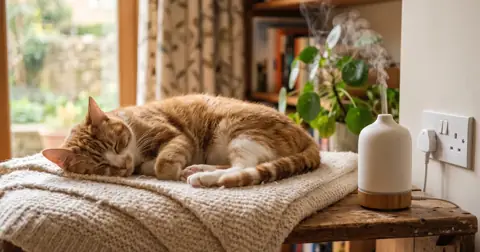
- Consider a pheromone diffuser plugged in a few days before you leave. See our guide to cat calming products.
- Ask the sitter to tell you if your cat hasn't eaten for a day.
Cat sitters for kittens, older cats and cats with medical needs
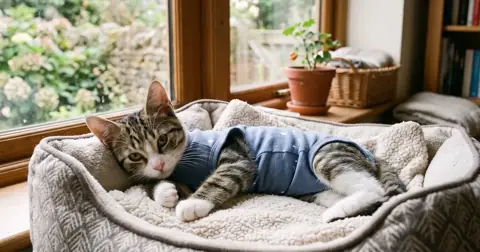
Kittens, elderly cats and cats with conditions such as diabetes, kidney disease or hyperthyroidism usually need at least two visits a day, or an overnight sitter. Choose a sitter with experience of giving medication and who can recognise signs of illness. Leave your vet's written instructions and the date your cat's medication was last given.
How long can you leave a cat alone without a cat sitter?
Healthy adult cats are independent, but they shouldn't be left alone for more than about 24 hours. Automatic feeders and water fountains can cover a single night, but they can't spot illness, a blocked bladder, an empty water bowl that's been knocked over, or a cat trapped in a cupboard. Male cats in particular can develop urinary blockages that become life-threatening within a day or two. For anything longer than a night, arrange at least one visit a day.
Kittens, senior cats and cats on medication need more frequent care. If your cat has a long-term condition, check with your vet how often it needs to be seen and what signs your cat sitter should watch for.
Friends, neighbours or a professional cat sitter?
A trusted friend or neighbour can be a lovely option, especially for short trips. But ask yourself whether they can visit reliably at the same times every day, know what to do in an emergency and would notice if your cat was unwell. Professional sitters are insured, experienced and accountable, which matters more for long trips or cats with medical needs. Whoever you choose, leave the same written notes and vet details.
How to tell if your cat sitter is doing a good job
A good cat sitter keeps in touch, follows your routine and notices small changes. Signs you've found the right person include:
- Regular updates with photos or short videos, especially on the first day.
- Honest reports, including if your cat is hiding or eating less.
- A clean litter tray and fresh water when you return.
- Your cat seeming relaxed and greeting the sitter on later visits.
- Notes left for you about anything unusual, such as vomit, a missed meal or a broken item.
If something worries you, raise it straight away. Professional sitters should welcome feedback and will often adjust visit times or length to suit your cat. Once you find a sitter your cat likes, book them early for school holidays and Christmas, when good sitters are in high demand.
FAQs
How much does a cat sitter cost in the UK?
Most UK cat sitters charge £10 to £20 for a drop-in visit of 20 to 40 minutes. Overnight house sitting usually costs £30 to £60 a night. Prices are higher in London and for extra services such as giving medication or caring for several pets.
Is a cat sitter better than a cattery?
For many cats, yes. Cats are territorial and can find catteries stressful, while a cat sitter lets them keep their routine at home. A cattery may suit cats that need close supervision, cats that might escape, or owners away for long periods.
How many times a day should a cat sitter visit?
Most cats should have at least one visit a day, and two visits are better for kittens, elderly cats, cats on medication or cats fed wet food. Cats left alone for longer than 24 hours without a check risk going unnoticed if they become ill.
How do I find a cat sitter near me?
Ask your vet, neighbours and local cat owners for recommendations, and look for professional sitters who belong to a recognised pet-sitting association, have public liability insurance and are DBS-checked. Online platforms can help, but always meet the sitter first and check reviews.
What should I leave for my cat sitter?
Leave written care notes, enough food and litter, your vet's details and a signed consent form for treatment, emergency contacts, spare keys and instructions for any medication. Tell the sitter where your cat likes to hide.
Can a cat sitter give my cat medication?
Many professional cat sitters can give tablets, liquids or insulin injections, often for a small extra fee. Ask about their experience and leave clear written instructions from your vet.
Sources and further reading
This guide is for general information only and is not a substitute for advice from a vet. Medicines, doses and costs change: always follow your vet and the product leaflet. If your cat is unwell or you think it has eaten something toxic, contact your vet or an emergency vet straight away.