Cat calming products: what works for anxious cats
Cat calming products such as pheromone plug-in diffusers, calming tablets and treats can help anxious cats cope with fireworks, house moves, vet visits and tension between cats. None are magic, and they work best alongside changes to your cat's environment. Here's how each type works, what the evidence says and how to choose.
Quick answer
- Pheromone diffusers (plug-ins) mimic the facial scent cats use to mark safe places, and have the strongest evidence.
- Calming supplements such as Calmex, Nutracalm and Zylkene contain ingredients like L-tryptophan, L-theanine or milk protein.
- Valerian excites some cats before relaxing them; avoid essential-oil diffusers, which can be toxic.
- Severe anxiety, spraying or aggression needs a vet check and sometimes prescription medicine.
Signs your cat is stressed
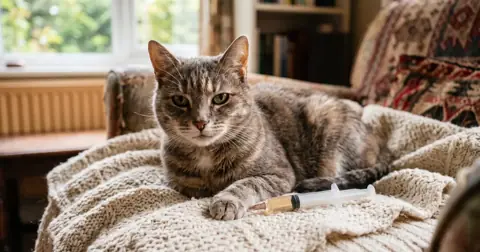
- Hiding more than usual, or hiding in new places.
- Over-grooming, sometimes causing bald patches.
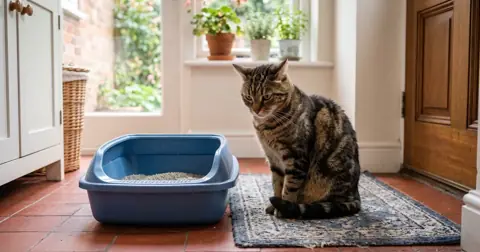
- Urine spraying or toileting outside the litter tray.
- Scratching furniture more.
- Changes in appetite or sleep.
- Aggression towards people or other cats, or hissing and growling.
- Pacing, crying or being unusually clingy.
- Dilated pupils, flattened ears or a tucked tail.
Common triggers include fireworks, building work, a house move, a new baby or pet, visiting cats in the garden, vet visits and changes in routine. Some cats are naturally more sensitive than others.
Types of cat calming products
| Type | Examples | How it works | Best for |
|---|---|---|---|
| Pheromone diffuser (plug-in) | Feliway Classic, Feliway Optimum | Synthetic facial pheromone signals "safe place" | House moves, new home, scratching, spraying |
| Multi-cat pheromone diffuser | Feliway Friends | Copies the "appeasing" pheromone of nursing mothers | Tension between cats in the same home |
| Pheromone spray | Feliway Classic spray | Applied to carriers, beds and furniture | Travel, vet visits, cat carriers |
| Calming tablets and capsules | Calmex, Nutracalm, Zylkene | Amino acids, vitamins, milk protein or herbs | Fireworks, short-term stress, ongoing anxiety |
| Calming treats | Various brands | Lower doses of calming ingredients | Mild anxiety |
| Herbal plug-ins and sprays | Pet Remedy and others | Valerian and other plant extracts | Owners preferring herbal options |
| Prescription medicines | Gabapentin, fluoxetine, others | Prescribed by your vet | Severe anxiety, vet visits, behaviour problems |
Calming plug-ins and diffusers
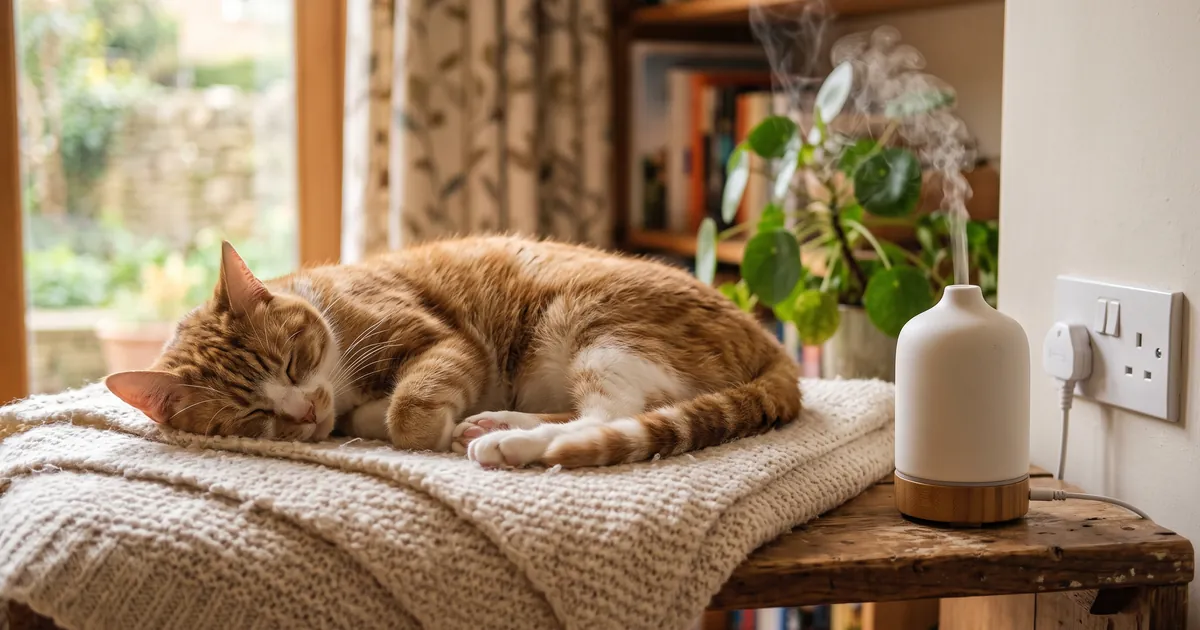
When cats rub their cheeks against furniture and doorways, they leave a facial pheromone that marks the area as familiar and safe. Pheromone diffusers release a synthetic copy of this scent, which people can't smell. They're the cat calming product with the most research behind them.
- Plug the diffuser into the room your cat uses most, at floor level and not behind furniture or curtains.
- Leave it switched on continuously; most refills last around 30 days.
- Start a few days before a known stressful event, such as fireworks or a house move.
- Use one diffuser per large room or open-plan area.
Pheromone sprays work in a similar way. Spray inside the cat carrier 15 minutes before putting your cat in, and never spray directly onto your cat.
Calming tablets for cats
Calmex for cats
Calmex is a fast-acting calming supplement containing ingredients such as L-tryptophan, L-theanine and B vitamins. It's designed to be given a few hours before a stressful event, such as fireworks or a journey, and is available as a liquid or tablet.
Nutracalm for cats
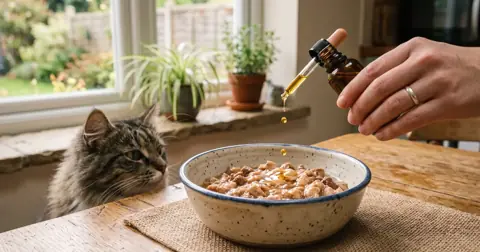
Nutracalm is a capsule containing L-tryptophan, a precursor of the "feel-good" brain chemical serotonin, along with other calming ingredients. It's often used for short-term stress and can be sprinkled onto food.
Zylkene
Zylkene contains alpha-casozepine, a protein derived from milk that is thought to have a calming effect similar to the relaxed state of a nursing kitten. It's given daily, usually for a few weeks around a stressful period.
Evidence for calming supplements is more limited than for pheromones, and individual cats respond differently. They are generally safe, but tell your vet about any supplements your cat takes.
Valerian for cats
Valerian root is a herb that can have a calming effect, but some cats react to it more like catnip at first: rolling, rubbing and playing before settling down. It's found in some herbal plug-ins, sprays and toys. Use products made for cats rather than human supplements or concentrated oils.
Avoid essential oil diffusers. Many essential oils, including tea tree, eucalyptus, citrus and peppermint, are toxic to cats, whose livers can't break them down. Check any product with our toxic plant and food checker.
Calming treats
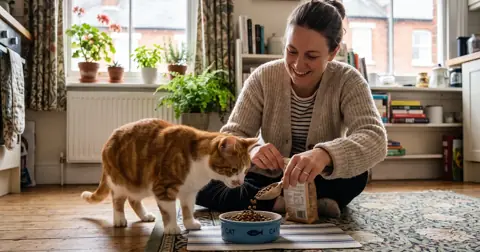
Calming treats are one of the simplest cat calming products to use and an easy way to give calming ingredients, especially for cats that won't take tablets. They usually contain lower doses, so they suit mild, short-term anxiety. Factor them into your cat's daily calorie intake, using our cat food calculator. Offering them during calm moments, such as before bedtime or while you sit together, also builds positive associations.
Calming your cat during fireworks
- Plug in a diffuser a few days before Bonfire Night or New Year.
- Keep your cat indoors from before dusk, with the cat flap locked.
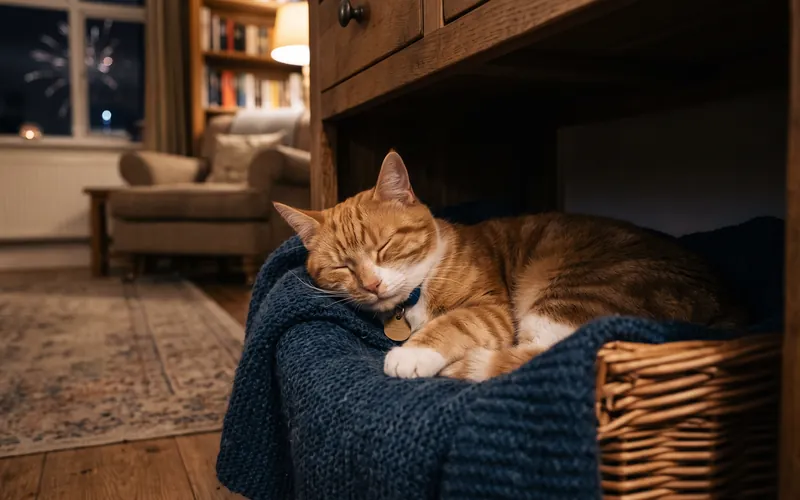
- Provide hiding places: a covered bed, a box on its side or space under a bed.
- Close curtains and play the TV or radio to mask bangs.
- Stay calm and behave normally; let your cat come to you rather than pulling it out of hiding.
- Consider a fast-acting supplement given a few hours before, or ask your vet about prescription medication for very fearful cats.
Calming your cat when moving house
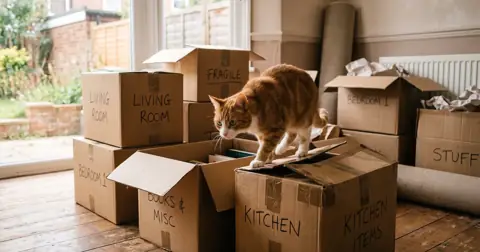
Moving is one of the most stressful events for a cat. Set up one quiet room in the new home with your cat's bed, litter tray, food, water, scratching post and a diffuser before your cat arrives. Keep your cat in that room for the first few days, then gradually open up the rest of the house. Our guide to keeping a cat in after moving explains how long to wait before letting your cat outside.
Reducing stress between cats
Many cats that live together don't actually get along. Signs of tension include staring, blocking doorways, hissing, chasing and one cat hiding. Calming products such as multi-cat pheromone diffusers can help, but the biggest difference comes from giving each cat its own resources:
- One litter tray per cat plus one extra, in different locations.
- Separate food and water stations.
- Multiple beds, high perches and hiding places.
- Scratching posts in several rooms.
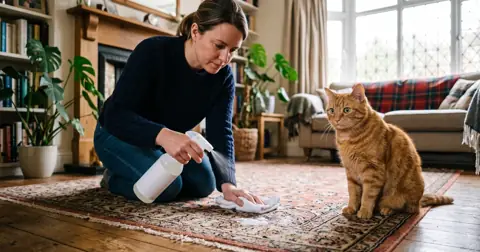
Stressed cats may start spraying. Our guide to removing cat urine smell explains how to clean properly so they don't return to the same spot.
Calming your cat for vet visits and travel
- Leave the carrier out at home with a blanket and treats, so it becomes a familiar resting place.
- Spray the carrier with pheromone spray 15 minutes before use.
- Cover the carrier with a towel in the car and waiting room.
- Choose a Cat Friendly Clinic if you can, and ask for a quiet appointment time.
- Ask your vet about a pre-visit calming medication for very anxious cats.
Cats that hate travelling often do better with a cat sitter at home when you go on holiday, rather than a cattery.
When calming products aren't enough
Behaviour changes can be caused by pain or illness, such as arthritis, cystitis, dental disease or hyperthyroidism. If your cat's behaviour has changed suddenly, book a vet check first. For long-term anxiety, your vet may refer you to a qualified clinical animal behaviourist and may prescribe medication to use alongside a behaviour plan.
Cost of cat calming products
A pheromone diffuser starter kit costs about £20 to £30, with 30-day refills around £15 to £22. Calming supplements typically cost £10 to £30 for a pack lasting a few weeks. Prescription medication and behaviour consultations cost more but may be covered by some pet insurance policies for diagnosed behaviour conditions.
FAQs
Do cat calming plug-ins work?
Pheromone plug-in diffusers release a synthetic copy of the facial pheromone cats leave when they rub their cheeks on objects. Studies suggest they help some cats feel more secure, especially during changes like moving house, and reduce scratching and urine marking in some cases. They don't work for every cat and take a few days to build up.
What are the best calming tablets for cats?
Popular non-prescription options include Calmex, Nutracalm and Zylkene. They contain ingredients such as L-tryptophan, L-theanine, B vitamins and alpha-casozepine (a milk protein). Results vary between cats. Your vet can advise which might suit your cat and when to start it before a stressful event.
How long do cat calming tablets take to work?
Some fast-acting products are given a few hours before a stressful event, such as a vet visit or fireworks. Others are given daily and may take several days to a couple of weeks to have their full effect. Check the product instructions.
Is valerian safe for cats?
Valerian is generally safe for cats in products made for them. Some cats react to it like catnip, becoming playful or excited before relaxing. Avoid human valerian supplements and concentrated essential oils.
Are calming treats good for cats?
Calming treats can help mildly anxious cats and are easy to give. They usually contain smaller amounts of active ingredients than tablets. Count them as part of your cat's daily food allowance.
When should I see a vet about my anxious cat?
See a vet if your cat suddenly becomes anxious or aggressive, stops eating, over-grooms, sprays or toilets outside the tray, or hides most of the time. Pain and illness often cause behaviour changes, and some cats need prescription medication alongside a behaviour plan.
Sources and further reading
This guide is for general information only and is not a substitute for advice from a vet. Medicines, doses and costs change: always follow your vet and the product leaflet. If your cat is unwell or you think it has eaten something toxic, contact your vet or an emergency vet straight away.