Do foxes and badgers attack cats?
Many UK owners worry when they see a fox or badger in the garden. So, do foxes and badgers attack cats? Attacks on healthy adult cats are rare: most encounters end in a stand-off, and cats often chase foxes away. Kittens, very old or ill cats are more vulnerable, and badgers can be dangerous if cornered. Here's what really happens and how to keep your cat safe.
Quick answer
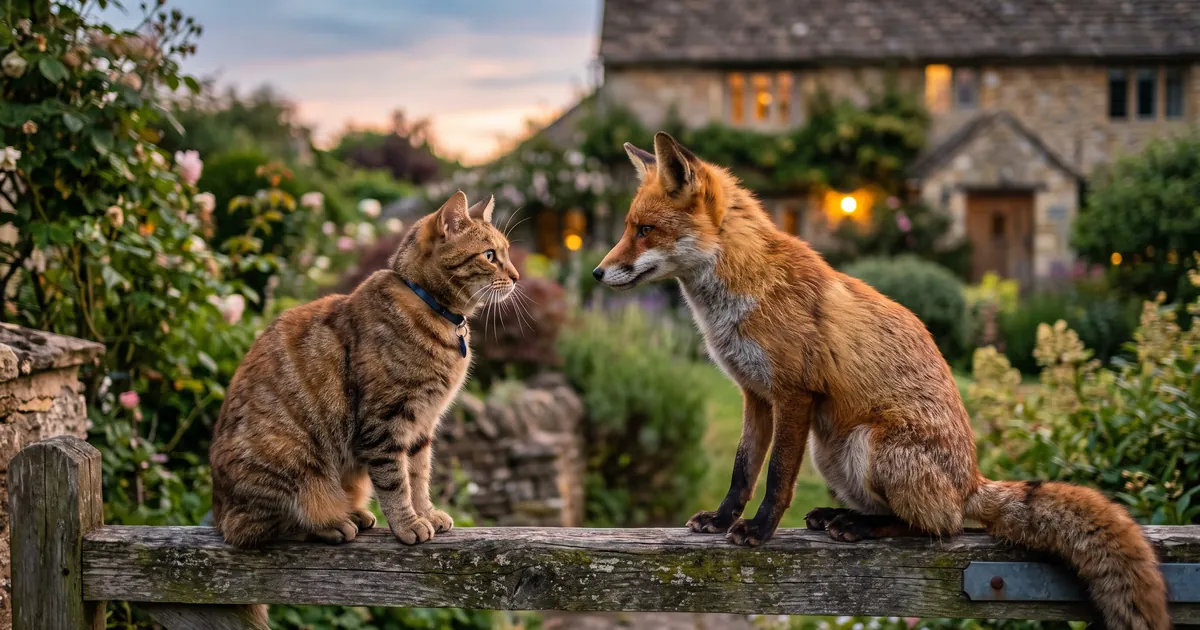
- Foxes rarely attack adult cats; most meetings are stand-offs or the cat chases the fox off.
- Kittens, and very old, sick or small cats, are at higher risk.
- Badgers usually avoid cats but can injure one if cornered or protecting cubs.
- Keep cats in at night, use a microchip cat flap and don't leave food out that attracts wildlife.
Do foxes attack cats?
Red foxes are common in UK towns and countryside, and many cats meet them regularly, especially at night. Research on urban foxes, including long-running studies in Bristol, has found that foxes kill very few pet cats. Foxes and adult cats are similar in weight, and a cat's claws and teeth are formidable. Most foxes prefer easier food: scraps, rodents, earthworms, birds and fruit.
In most encounters:
- The cat and fox ignore each other.
- They have a tense stand-off, then one walks away.
- The cat chases the fox off, which is surprisingly common.
Will a fox kill a cat?
It can happen, but it's rare and usually involves vulnerable cats. Foxes may also scavenge cats killed by cars or illness, which can lead people to blame foxes for deaths they didn't cause.
Which cats are most at risk?
| Cat | Risk | Why |
|---|---|---|
| Healthy adult cat | Low | Similar size to a fox and able to defend itself |
| Kittens (under about 6 months) | Higher | Small and inexperienced |
| Very old, frail or sick cats | Higher | Slower and less able to escape |
| Small or toy-sized breeds | Moderate | Smaller body size |
| Cats with poor sight or hearing | Moderate | May not notice danger |
Our guide to whether cats can see in the dark explains why cats are so confident outdoors at night, and why older cats with failing sight may need to stay in.
Do badgers attack cats?
Badgers are shy, mainly nocturnal animals. They feed mostly on earthworms, insects, bulbs, fruit and the occasional small mammal. They don't usually see cats as prey and tend to avoid them. However, badgers are powerful, with strong jaws and claws for digging. Problems can arise if:
- A cat corners or blocks a badger.
- A cat approaches a sett with cubs, usually in spring.
- The two compete over food left out in the garden.
Injuries from badgers are rare but can be severe. Badgers may scavenge a dead cat, as they do other carcasses.
Do badgers eat cats?
Not as live prey. Badgers might eat part of a cat that has already died, but they don't hunt cats.
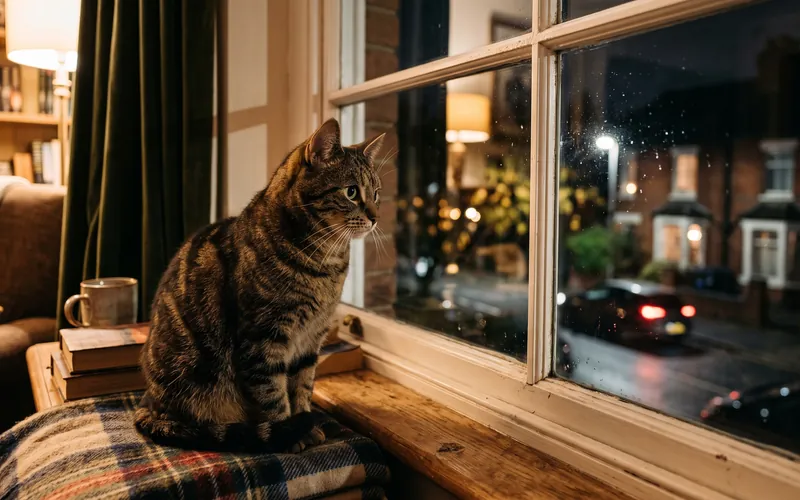
Other night-time risks to cats
Foxes and badgers get the blame, but other dangers are more common:
- Road accidents: the leading cause of injury and death in outdoor cats, with many happening at night.
- Fights with other cats, which cause bite abscesses.
- Dogs loose in gardens or parks.
- Poisoning, for example from antifreeze or rat poison.
- Getting shut in sheds and garages, so check outbuildings before locking up.
How to keep your cat safe from foxes and badgers
- Keep your cat in from dusk to dawn. Call your cat in for an evening meal and close or lock the cat flap.
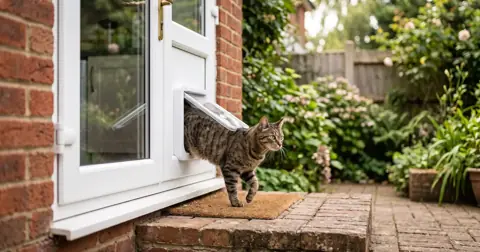
- Use a microchip cat flap, so foxes and other animals can't get into your home. Our guide to cat flap installation covers microchip and timer flaps.
- Feed pets indoors and don't leave food or bowls outside.
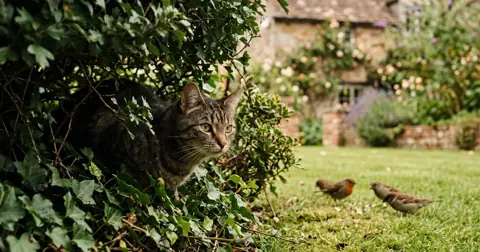
- Secure bins and compost, and clear windfall fruit and bird seed spills.
- Block gaps under sheds, decking and outbuildings where foxes might den.
- Keep kittens indoors until they're fully grown, vaccinated, neutered and microchipped.
- Consider a catio or cat-proof garden for vulnerable cats.
Keeping cats in at night also reduces how many wild animals they catch. See our guide to whether cats kill rabbits and birds.
Signs foxes or badgers visit your garden
- Foxes: a strong, musky smell, droppings with a twisted tip left on prominent spots, small holes dug in lawns, scattered bin rubbish and screaming calls in winter.
- Badgers: snuffle holes in lawns (small, cone-shaped holes where they dig for grubs), latrines of small pits containing droppings, well-worn paths and large holes under fences.
Knowing which animals visit helps you decide where to place your cat flap and when to keep your cat in.
Deterring foxes and badgers humanely and legally
Foxes are not a protected species, but it's illegal to cause them unnecessary suffering. Badgers and their setts are protected by law in the UK under the Protection of Badgers Act 1992: it's an offence to harm a badger or to damage, block or disturb a sett. To discourage visits:
- Remove food sources: secure bins, compost and bird food, and don't feed pets outside.
- Block access gaps under sheds and decking when no animals are inside (never block an active sett).
- Use motion-activated sprinklers, which deter foxes without harming them.
- Fit sturdy fencing with a buried mesh skirt where foxes dig under.
Avoid poisons, traps and chemical repellents that could also harm your cat. Many of the same humane methods help keep neighbourhood cats out of your garden too; see our guide on how to stop cats pooping in your garden.
Should I stop feeding foxes or badgers?
Some people enjoy feeding wildlife. If you have a cat, it's best not to put food out for foxes or badgers in your garden, because it draws them in, encourages them to linger and increases the chance of conflict, especially if your cat's food is outside too. If you do feed wildlife, do it well away from the house and your cat's routes, at a consistent time when your cat is indoors.
Diseases from foxes and badgers
Direct disease spread from foxes and badgers to cats is uncommon. Foxes can carry fleas and occasionally sarcoptic mange mites, though cats rarely become infected. Badgers can carry bovine tuberculosis, and very rarely cats have been infected, usually through bites or contaminated environments. Keeping up with flea treatment and seeing your vet about any wounds or unexplained illness is sensible. Read our flea treatment guide.
What to do if your cat is injured
If your cat comes home with a wound, limp, swelling or is unusually quiet, take it to a vet. Bite wounds from any animal can be deep punctures that seal over and turn into abscesses a few days later. Signs of an abscess include a warm, painful swelling, fever, lethargy and not eating. Prompt treatment with cleaning, pain relief and sometimes antibiotics helps cats recover quickly. Our guide to swelling on a cat's face explains abscesses in more detail.
Why foxes and cats usually get along
Foxes and cats share gardens across the UK every night. They're both mid-sized predators that hunt similar small prey, so they have reasons to avoid each other rather than fight. A fight risks injury for both, and neither gains much. That's why most encounters are cautious and brief. You may even see a fox and cat eating side by side from a spilled bin, or ignoring each other on the same lawn.
Peace of mind for worried owners
If you've seen a fox or badger in your garden, there's no need to panic. Healthy adult cats are very unlikely to be attacked. Focus on the risks that matter most, especially traffic, and make a simple routine of bringing your cat in before dark, with a tasty evening meal as the reward for coming home. It protects your cat, and local wildlife too.
FAQs
Will a fox kill a cat?
It's uncommon. Foxes and cats are similar in size, and cats defend themselves with claws and teeth, so foxes usually avoid fights. Foxes may kill kittens or very weak cats, and occasionally scavenge cats that have died from other causes, such as road accidents, which can make it look like a fox attack.
Do badgers eat cats?
Badgers are omnivores that mainly eat earthworms, insects, fruit and small animals. They don't normally hunt cats, but they may scavenge a dead cat. A badger that feels threatened can inflict serious bites.
Do badgers attack cats?
Badgers generally ignore cats, but they're strong animals with powerful jaws. If a cat corners a badger, approaches cubs or blocks its path, the badger may attack. Such injuries are rare but can be serious.
Are foxes dangerous to kittens?
Yes, kittens are vulnerable to foxes. Keep kittens indoors until they're fully grown, vaccinated and neutered, and supervise their first trips outside in daylight.
How do I keep foxes away from my cat?
Keep your cat in from dusk to dawn, use a microchip cat flap so foxes can't get in, feed pets indoors, secure bins and compost, clear food scraps and fallen fruit, and block gaps under sheds where foxes might den.
What should I do if my cat is injured by a fox or badger?
Take your cat to a vet promptly. Bite wounds can look small but often become infected abscesses. Your vet may clean the wound and prescribe pain relief and antibiotics.
Sources and further reading
This guide is for general information only and is not a substitute for advice from a vet. Medicines, doses and costs change: always follow your vet and the product leaflet. If your cat is unwell or you think it has eaten something toxic, contact your vet or an emergency vet straight away.