Bengal cat: price, personality and care in the UK
The Bengal cat looks like a miniature leopard, with a glittering spotted or marbled coat and an athletic build. Bengals are intelligent, energetic and playful, and they need far more activity than most breeds. In the UK, a registered Bengal kitten typically costs £600 to £1,500, with snow and silver colours often at the higher end. Here's what to know before you buy.
Quick answer
- Bengals are very active, curious and intelligent; they need daily play and climbing.
- UK kittens typically cost £600–£1,500; snow, silver and charcoal can cost more.
- Pet Bengals are usually later-generation (F4 and beyond); early hybrids have special needs and legal rules.
- Ask breeders for PK deficiency and PRA-b DNA tests and HCM heart scans.
Bengal cat at a glance
| Trait | Bengal |
|---|---|
| Size | Medium to large, muscular |
| Weight | Females 3.6–5.4 kg, males 4.5–6.8 kg |
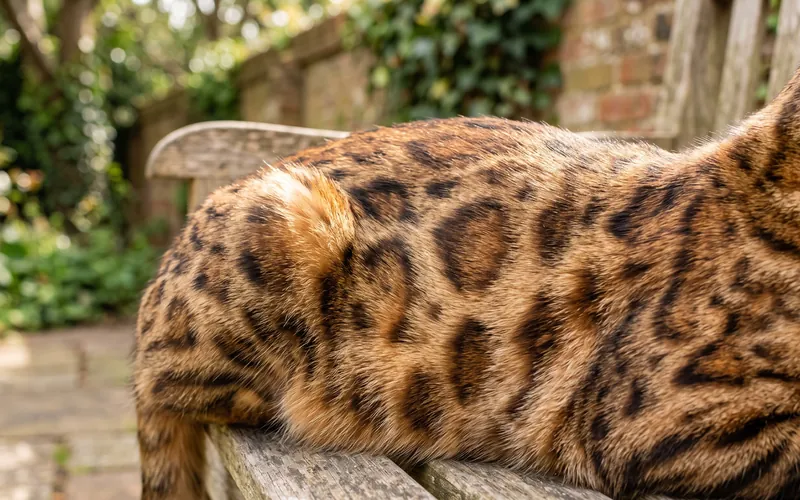
| Coat | Short, dense, silky; spotted (rosettes) or marbled, often with glitter |
| Grooming | Low: weekly brushing |
| Energy | Very high |
| Temperament | Intelligent, curious, playful, vocal, people-focused |
| Lifespan | Around 12–16 years |
| UK kitten price | £600–£1,500 (snow and silver often more) |
Where do Bengal cats come from?
The Bengal was developed in the second half of the 20th century by crossing domestic cats with the Asian leopard cat (Prionailurus bengalensis), a small wild cat from South and East Asia. The aim was a domestic cat with a wild look and a friendly temperament. Over generations of breeding back to domestic cats, the modern Bengal became a recognised domestic breed.
Generations: F1, F2 and SBT Bengals
- F1: a direct cross between a leopard cat and a domestic cat (about 50% wild).
- F2 and F3: further generations, still with significant wild ancestry.
- F4 and beyond (SBT): "stud book tradition" Bengals, at least four generations from the leopard cat, which are the pet Bengals most people own.
Early-generation hybrids can be more nervous, wild in behaviour and harder to keep as pets, and in the UK some may need a Dangerous Wild Animals licence. If you see "F1 Bengal breeders" advertised, research the legal and welfare implications carefully. Most owners are best suited to a registered SBT Bengal.
Bengal colours and patterns
Patterns
- Spotted / rosetted: the classic leopard-like look, with spots or two-toned rosettes.
- Marbled: swirling, horizontal patterns along the body.
Colours
- Brown: the most common, from golden to orange to cool brown.
- Snow: pale backgrounds in three types, seal lynx point (blue eyes), seal mink (aqua eyes) and seal sepia (gold or green eyes).
- Silver: a silvery-white background with black or grey markings.
- Charcoal: darker colouring with a facial "mask" and cape, seen in brown, silver and snow cats.
- Blue and other rarer colours.
Many Bengals have "glitter", a shimmering effect caused by translucent hair tips.
Bengal personality
Bengals are often described as busy. They tend to be:
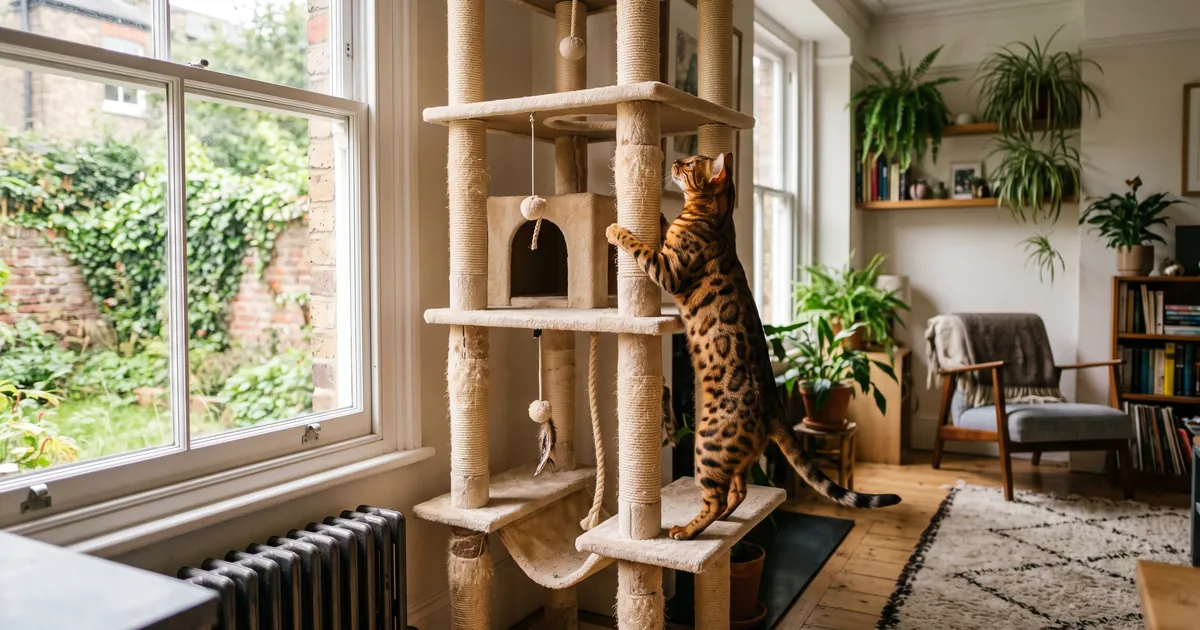
- Extremely active, climbing to the highest point in any room.
- Clever, quickly learning to open doors, cupboards and drawers.
- Playful, enjoying fetch, puzzle toys and even walking on a harness.
- Talkative, with a range of chirps and calls.
- Affectionate, though often more interested in activity than long lap sessions.
- Water-curious, sometimes playing in sinks and showers.
Without enough stimulation, Bengals can become bored and frustrated, leading to destructive behaviour, scratching, yowling or rough play. Our guide to whether cats can have ADHD has an enrichment plan that works well for energetic breeds like the Bengal.
Caring for a Bengal cat
- Play daily: at least two energetic sessions with wand toys.
- Go vertical: tall cat trees, wall shelves and window perches.
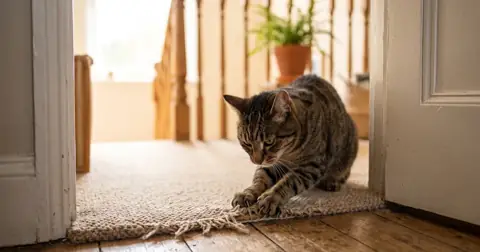
- Provide scratching posts in every main room. See our guide on stopping a cat scratching carpet.
- Use puzzle feeders and food-dispensing toys.
- Consider a catio or secure garden, as many Bengals love the outdoors but are also attractive to thieves.
- Feed a complete, high-quality diet: some Bengals have sensitive digestion, so change foods gradually.
- Brush weekly; the short, pelt-like coat sheds relatively little and stays glossy.
Bengal kittens: what to expect
Bengal kittens are bundles of energy. Expect climbing, curtain-scaling and plenty of zoomies for the first year or two. Kitten-proof your home before you collect your kitten: secure windows, hide cables, put away string and hair ties, and check houseplants with our toxic plant checker. Many Bengal kittens are fearless, so supervise them around stairs, hobs and open doors. Start handling, grooming and carrier training early, which makes vet visits much easier later.
Bengals with children and other pets
Bengals are usually confident and sociable, and many enjoy the busyness of family life and the company of older children who play with them using toys. They often get on with cat-friendly dogs. Because of their high energy, they may overwhelm a quiet, older cat. A second playful cat, such as another Bengal or an energetic moggy, can make a good companion if introduced slowly.
Harness training a Bengal
Many Bengal owners teach their cats to walk on a harness and lead, giving safe outdoor exploration. Choose a well-fitting cat harness, let your Bengal wear it indoors for short periods with treats, then practise in a quiet garden before venturing further. Never tie a cat up outside or leave it unattended in a harness. Keep up flea and worm treatment if your Bengal spends time outdoors; see our flea treatment guide.
Bengal cat health
| Condition | What it is | Screening |
|---|---|---|
| Pyruvate kinase (PK) deficiency | Inherited anaemia | DNA test |
| Progressive retinal atrophy (PRA-b) | Inherited blindness | DNA test |
| Hypertrophic cardiomyopathy (HCM) | Heart muscle thickening | Regular heart scans of breeding cats |
| Flat-chested kitten syndrome | Chest deformity in young kittens | Breeder records |
| Sensitive stomach | Some Bengals are prone to loose stools | Diet management |
Bengals are often more expensive to insure than moggies; see our guide to cat insurance for breed-related costs.
Bengal cat price in the UK
| Bengal | Typical UK price |
|---|---|
| Brown spotted pet kitten (registered, health-tested parents) | £600–£1,200 |
| Snow, silver or charcoal pet kitten | £900–£1,500+ |
| Show or breeding quality | £1,500+ |
| Adult Bengal from a rescue | £100–£250 |
| Bengal cross ("mix") from a rescue | £50–£150 |
A suspiciously cheap "Bengal" may be unregistered, untested, or not a Bengal at all. Ask to see registration papers.
Finding a Bengal breeder in the UK
- Start with breed clubs and recognised registries such as the GCCF or TICA.
- Ask about health testing: PK deficiency, PRA-b and HCM scans for both parents.
- Visit the kittens with their mother, and ask about how they're socialised.
- Ask about generation: pet kittens should be SBT.
- Check paperwork: registration, vaccination card, microchip and a contract.
- Collect at around 13 weeks or older.
Bengal rescue and sanctuaries
Bengals are among the breeds most often given up, usually because owners didn't expect such a high-energy cat. Bengal clubs and specialist rescues rehome Bengals across the UK. Adopting an adult Bengal lets you see its personality and energy level first. General rescues may also have Bengal crosses. Our guide on how to foster a cat explains how rescues work.
The cost of owning a Bengal
Beyond the purchase price, budget for sturdy climbing furniture, plenty of toys, high-quality food and higher insurance premiums than for a moggy. Many Bengal owners also invest in a catio or secure garden fencing. Routine costs such as vaccinations, neutering and parasite treatment are the same as for any cat; see our guides to cat vaccination costs and neutering costs.
Is a Bengal right for you?
A Bengal could be perfect if you want an interactive, intelligent cat, have time to play every day, and enjoy a lively home. It may not suit you if you're out all day, want a calm lap cat or live somewhere very small. Compare calmer options in our guide to the best indoor cat breeds.
FAQs
How much is a Bengal cat in the UK?
A registered Bengal kitten from a health-testing UK breeder typically costs £600 to £1,500. Snow, silver and charcoal Bengals, or kittens from show lines, can cost more. Adult Bengals from rescues usually cost £100 to £250 to adopt.
Are Bengal cats good pets?
Bengals can be wonderful, affectionate pets for active households that can provide lots of play, climbing and attention. They can become bored, noisy or destructive if left alone for long periods without stimulation.
What is a snow Bengal?
Snow Bengals have a pale, cream or ivory background colour with darker markings. There are three types: seal lynx point (blue eyes), seal mink and seal sepia. The colour comes from genes linked to Siamese and Burmese ancestry.
What is an F1 Bengal?
An F1 Bengal is a first-generation cross between an Asian leopard cat and a domestic cat. Early-generation hybrids can be more wild in behaviour, and in the UK they may require a licence under the Dangerous Wild Animals Act. Most pet Bengals are later generations, usually described as SBT, which behave like domestic cats.
Do Bengal cats like water?
Many Bengals are fascinated by water. They may pat at taps, play in bowls or even join you in the shower. Every cat is different, though.
Are there Bengal cat rescues in the UK?
Yes. Bengal breed clubs and specialist rescues rehome Bengals in the UK, and general charities sometimes have Bengals or Bengal crosses. Many are given up because owners underestimated their energy needs.
Sources and further reading
This guide is for general information only and is not a substitute for advice from a vet. Medicines, doses and costs change: always follow your vet and the product leaflet. If your cat is unwell or you think it has eaten something toxic, contact your vet or an emergency vet straight away.