How to foster a cat in the UK: a complete guide to cat fostering
When you foster a cat, you give a rescue cat or kitten a temporary home until it's ready to be adopted. UK charities usually cover food, litter and vet bills, while you provide a quiet room, time and care. Fostering frees up space in rescue centres, helps nervous cats and young kittens thrive, and lets you enjoy cats without a 15-year commitment.
Quick answer
- UK rescues usually pay for food, litter, equipment and vet care.
- You'll need a spare room or quiet space to keep foster cats separate from your own pets.
- Foster stays last from a few days to several months; kittens usually stay until 9 to 12 weeks.
- Cats Protection, the RSPCA, Blue Cross, Battersea and local rescues all need fosterers.
What does it mean to foster a cat?
A cat fosterer looks after a rescue cat in their own home for a set period, until the cat is ready for adoption or a permanent home is found. Rather than living in a pen at a rescue centre, the cat lives in a calm, home environment where it can relax, recover and show its true personality. That makes adoption easier, because the fosterer can tell potential adopters exactly what the cat is like.
Most UK cat rescues rely heavily on volunteer fosterers. Some smaller charities have no rescue centre at all and run entirely through a network of foster homes. Every fosterer frees up space for another cat in need, so fostering one cat often helps two.
You provide
A safe, quiet space, daily care, love and patience, transport to vet appointments, and updates for the charity.
The charity provides
Food, litter, equipment, vet care, vaccinations, flea and worm treatments, neutering, advice and 24-hour support.
The cat gets
A calmer start, social skills, time to recover, and a better chance of finding the right home.
Why foster a cat?
- You save lives: each foster place lets a rescue take in another cat, especially during the busy spring and summer "kitten season".
- Cats do better in homes: shy, stressed, elderly and sick cats often struggle in rescue pens.
- Kittens need socialising: kittens raised in a home with everyday sights and sounds grow into more confident pets.
- No long-term commitment: ideal if you love cats but can't commit to 15+ years, or you're not sure whether a cat suits your lifestyle.
- Little or no cost: charities usually cover all expenses.
- It's rewarding: watching a frightened cat learn to trust people is unforgettable.
Who can foster a cat in the UK?
Requirements vary between charities, but most ask that you:
- Are 18 or over.
- Have a spare room or a quiet, separate space where foster cats can be kept away from your pets. Some charities provide a pen.
- Own your home or have your landlord's permission.
- Can get to the charity's vets, either by car or with help from volunteer drivers.
- Have enough time each day: young kittens and sick cats need more.
- Agree to a home visit and follow the charity's care guidelines.
You don't usually need experience. Many charities offer training, and they'll match first-time fosterers with straightforward cats.
Can you foster a cat with children or pets?
Yes, in most cases. Families with children often make excellent fosterers, as kittens benefit from meeting gentle children. Dogs and resident cats are usually fine too, as long as foster cats are kept in a separate room. Make sure your own pets are vaccinated and up to date with flea treatment and worming, because rescue cats can carry fleas, worms, cat flu or ringworm.
Types of foster cat
| Type of foster | What's involved | Typical length | Best for |
|---|---|---|---|
| Adult cats | Day-to-day care until adopted | 2–8 weeks | First-time fosterers, people who work |
| Mother and kittens | Supporting the mother, weighing and socialising kittens | 6–10 weeks | People at home more often |
| Orphan kittens | Bottle-feeding every 2–4 hours, toileting, keeping warm | 4–10 weeks | Experienced fosterers |
| Pregnant cats | Preparing a nest, supporting the birth | 2–3 months | Experienced fosterers |
| Shy or nervous cats | Patient handling and building trust | Weeks to months | Calm, quiet homes |
| Medical cats | Giving medication, post-surgery recovery | Varies | Confident handlers |
| Senior cats | A warm, quiet place and gentle care | Varies | Peaceful homes |
| Emergency or short-term | Taking cats at short notice | Days | Flexible fosterers |
Some charities also run schemes that foster pets for owners in crisis, such as people fleeing domestic abuse, going into hospital or facing homelessness, so they can be reunited later. Cats Protection's Paws Protect service is one example.
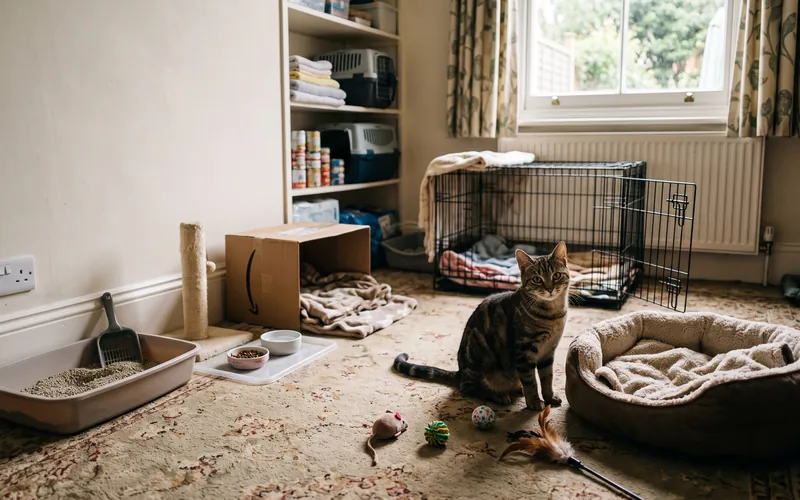
How to become a cat fosterer: step by step
- Choose a charity. Search for Cats Protection branches and centres, RSPCA branches, Blue Cross, Battersea, Wood Green or local independent rescues near you.
- Apply online. You'll answer questions about your home, routine, other pets and experience.
- Home visit. A volunteer checks that your foster space is safe and talks you through the process. Many charities now do this by video call.
- Training. Learn about health checks, cleaning routines, handling and what to do in an emergency.
- Set up your space. The charity provides equipment, or tells you what you'll need.
- Welcome your first foster cat. You'll receive its history, medical needs and the charity's contact details.
- Support adoption. Share photos and notes for its profile. Some charities let fosterers meet adopters.
The process usually takes 2 to 6 weeks, depending on the charity and how urgently they need fosterers.
Setting up a foster cat room
A dedicated foster room helps a new cat settle and keeps infections away from your own pets. A spare bedroom, study or large bathroom works well. Remove anything breakable or toxic, including houseplants (see plants poisonous to cats), and block gaps behind appliances where a scared cat could hide.
Foster cat checklist
Essentials
Litter tray and litter, food and water bowls, food, a cat carrier and a bed.
Hiding places
A cardboard box or covered bed. Hiding helps scared cats feel safe.
Scratching post
Lets cats mark territory and stretch. See stopping carpet scratching.
Toys
Wand toys, balls and puzzle feeders for play and confidence.
Cleaning kit
A disinfectant approved by the charity, gloves and washable bedding.
Kittens
Digital kitchen scales, a heat pad, kitten food and shallow litter trays.
Hygiene between foster cats
Wash your hands before and after handling foster cats, and wash or replace bedding between fosters. Deep-clean the room with a disinfectant that kills cat viruses. Some charities ask you to leave the room empty for a short time between cats. These steps protect your pets and the next foster cat from infections like cat flu (see cat cold symptoms).
The first days with a foster cat
Most rescue cats are stressed when they arrive. Give them time:
- Keep the foster cat in one room, with everything it needs, for at least the first few days.
- Let it come out of its carrier in its own time.
- Sit quietly in the room, talk softly and let it approach you.
- Don't force contact. Use treats and wand toys to build trust.
- Keep the routine consistent: same feeding times, same people.
Some cats are confident within an hour; others take weeks. Pheromone diffusers can help nervous cats; see cat calming products. Many of the same principles apply to keeping a cat in after moving.
Daily care for a foster cat
| Task | How often |
|---|---|
| Feeding | 2–4 times a day for adults; more for kittens |
| Fresh water | Daily |
| Scooping the litter tray | At least twice a day |
| Play and handling | Several short sessions a day |
| Health checks: eating, toileting, eyes, nose, energy | Daily |
| Weighing kittens | Daily |
| Updates to the charity | As agreed, often weekly |
Report any concerns quickly, such as not eating, diarrhoea, sneezing, eye discharge or lethargy. The charity will arrange vet care. Use our cat food calculator to check portion sizes.
Fostering kittens
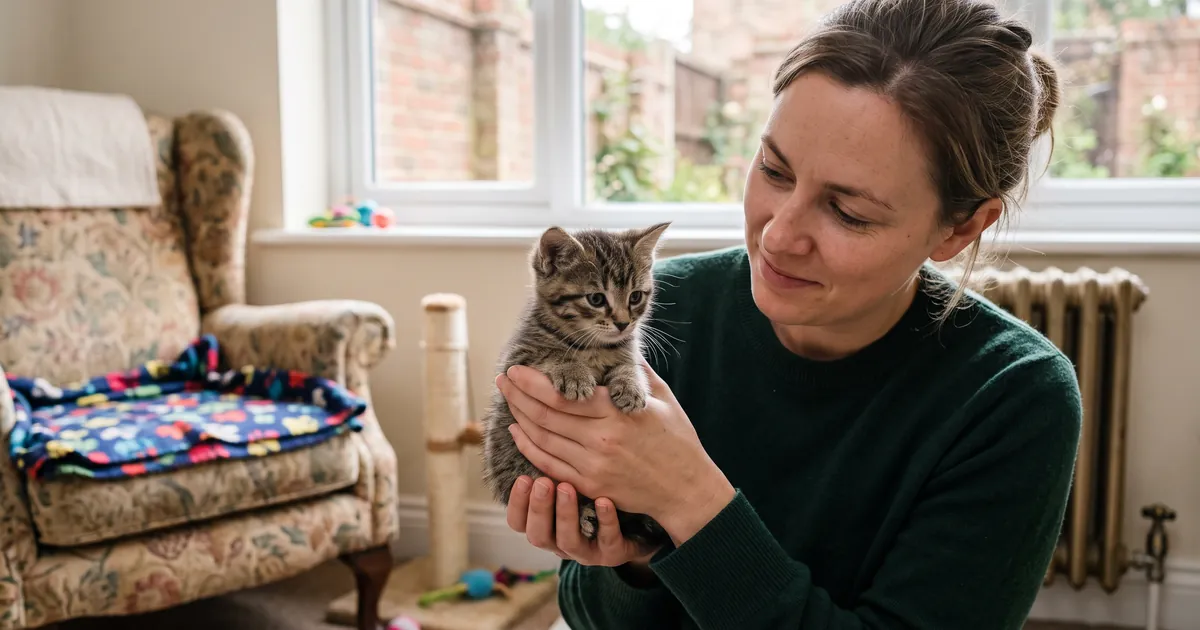
Kittens are the most common foster cats in spring and summer. They're fun, but they need a lot of attention.
Foster kittens with their mother
The mother cat does most of the work. Your job is to keep the family warm, fed and quiet, weigh the kittens daily, and gently handle them from about 2 weeks. Kittens should gain about 10 to 15 g a day; see our kitten weight chart. Watch the mother for signs of illness, and contact the charity if a kitten isn't feeding or gaining weight.
Orphan kittens
Kittens without a mother need bottle-feeding with kitten milk replacer (never cow's milk) every 2 to 4 hours, including at night. They also need stimulation to wee and poo after each feed, and a heat source. It's demanding work, usually given to experienced fosterers.
Socialising foster kittens
The most important time for socialisation is between about 2 and 7 weeks old. During this window, kittens learn that people, handling, household noise and new experiences are safe. Gently introduce them to:
- Handling by different people, including calm children.
- Everyday noises like the TV, vacuum cleaner and washing machine.
- Being picked up, having their paws touched and being put in a carrier.
- Toys, scratching posts and litter trays.
- Grooming and gentle checks of their mouth and ears.
Kittens usually go back to the charity or straight to adopters at 9 to 12 weeks, after vaccinations, microchipping and, increasingly, neutering at around 4 months. See cat vaccination costs and free cat neutering schemes.
Fostering pregnant cats
Rescues regularly take in pregnant strays. As a fosterer, you'll prepare a nesting box in a quiet room, feed kitten food, and contact the charity when labour starts. Most cats give birth without help, but you'll need to know the warning signs. See our cat pregnancy calculator and guide for the timeline and the signs of labour.
Fostering shy, feral and older cats
Nervous cats often blossom in foster homes. Work at the cat's pace: sit quietly, offer treats, use wand toys and avoid looming over it. Some cats won't become lap cats, but learn to enjoy gentle company. Truly feral adult cats are usually not suitable for indoor fostering and are better neutered and returned or placed in farm homes; see how to tell if a cat is feral.
Senior cats are often overlooked in rescue centres, but many are calm and affectionate. A foster home lets them show adopters how relaxed and loving they can be. Older cats may need medication, special diets such as renal food, or more vet visits. Check how old your foster cat is in human terms with our cat years calculator.
Questions to ask before you foster a cat
Every rescue works a little differently, so ask these questions before you sign up:
- What costs does the charity cover, and how do I claim anything I pay for?
- Which vet practice do foster cats use, and who authorises treatment?
- Who do I call out of hours if a foster cat is ill?
- Will I be matched with cats that suit my experience and routine?
- How long do foster stays usually last, and can I take breaks between cats?
- Do I need to meet adopters, or does the charity handle adoptions?
- Can I adopt a foster cat if I want to?
A good rescue will answer clearly and make sure you never feel alone with a problem.
A typical week as a cat fosterer
For an adult foster cat, a typical day involves a morning feed and litter clean, a quick health check, a play session in the evening, and some quiet time together. Once a week you might send the charity photos and a short update, and occasionally you'll drive to a vet appointment. With a mother and kittens, expect to add daily weighing, more frequent cleaning and plenty of gentle handling. Many fosterers say the time flies, and that the foster room quickly becomes their favourite room in the house.
What does cat fostering cost?
| Expense | Usually paid by |
|---|---|
| Food and litter | Charity (some fosterers choose to donate) |
| Vet treatment, vaccinations and neutering | Charity |
| Flea and worm treatment | Charity |
| Equipment (pen, carrier, trays, beds) | Charity |
| Travel to vets | Fosterer (some charities reimburse mileage) |
| Heating and cleaning products | Fosterer |
Never take a foster cat to your own vet without agreement: charities use specific practices and authorise treatment themselves. Fostering through a charity also means you don't need cat insurance for the foster cat.
Pros and cons of fostering a cat
| Pros | Cons |
|---|---|
| Saves lives and frees up rescue space | Saying goodbye can be hard |
| Enjoy cats without a long-term commitment | Needs a spare room or separate space |
| Costs covered by the charity | Some cats need intensive care |
| Great for families and children to learn about cats | Risk of passing infections to resident pets without good hygiene |
| A way to see if a cat suits your lifestyle | Vet visits and updates take time |
Saying goodbye to your foster cat
Letting go is the part most fosterers find hardest. It helps to remember that each goodbye opens a space for another cat that needs you. Many charities send updates from adopters, and some let fosterers help choose the new home. Writing a short profile of your foster cat's personality, likes and dislikes helps it settle into its new home.
And if you fall in love? You won't be the first. Talk to the charity: fosterers can often adopt, and "foster fails" are common.
Foster vs adopt: which is right for you?
Adoption suits you if you're ready for a cat for its whole life, typically 12 to 18 years, including vet bills, insurance and care when you're away (see cat sitter costs). Fostering suits you if you want to help cats but can't commit long-term, move often, travel regularly, or want to try life with a cat first. Many people foster before adopting, and many adopters later become fosterers.
Other ways to help rescue cats
- Volunteer at a rescue centre: cleaning, socialising cats, fundraising or driving.
- Donate food, litter, blankets or money.
- Help strays: report and get help for stray and feral cats in your area. See stray or feral cat.
- Support neutering: share information about free and low-cost neutering to prevent unwanted litters. See also cats in heat.
FAQs
Do you get paid to foster a cat in the UK?
Cat fostering in the UK is usually voluntary and unpaid. However, the charity normally covers the costs of food, litter, equipment, vet treatment, vaccinations and neutering, so it shouldn't cost you much beyond your time and some travel.
How long do you foster a cat for?
It depends on the cat. Healthy adult cats may stay a few weeks until they're adopted, while mother cats and kittens usually stay until the kittens are about 9 to 12 weeks old and neutered. Cats recovering from illness or with behaviour needs may stay several months.
Can I foster a cat if I have other pets?
Often, yes. Most charities simply ask you to keep foster cats in a separate room, away from your own pets, to prevent the spread of infections and reduce stress. Your own pets should be vaccinated and treated for fleas and worms.
Can I foster a cat if I work full time?
Some rescues welcome fosterers who work full time, especially for adult cats that are happy alone during the day. Young kittens, mothers and cats needing medication usually need someone who's home more often. Tell the charity your routine so they can match you with the right cat.
Can I adopt my foster cat?
Usually, yes. Many fosterers adopt one of their foster cats, often jokingly called a 'foster fail'. You'll normally need to go through the charity's adoption process and may pay the usual adoption fee.
Can I foster a cat if I rent?
Yes, but you'll usually need written permission from your landlord. Charities will ask about this as part of the application, so check your tenancy agreement first.
Is fostering a cat hard?
Most foster cats are easy and rewarding to care for, and charities provide training and support. The hardest part for most fosterers is saying goodbye when a cat is adopted, but knowing it has gone to a loving home makes it worthwhile.
Sources and further reading
This guide is for general information only and is not a substitute for advice from a vet. Medicines, doses and costs change: always follow your vet and the product leaflet. If your cat is unwell or you think it has eaten something toxic, contact your vet or an emergency vet straight away.