Ragdoll cat: colours, personality and UK prices
The Ragdoll cat is a large, gentle, blue-eyed breed famous for going limp and relaxed when picked up. Ragdolls are affectionate, calm and people-focused, which makes them one of the best indoor breeds. In the UK, a registered Ragdoll kitten typically costs £800 to £1,500. This guide covers patterns such as seal colourpoint and blue bicolour, care, health and how to find a Ragdoll to buy or rehome.
Quick answer
- Ragdolls are large, calm and affectionate, often following owners around.
- Three classic patterns: colourpoint, mitted and bicolour, in seal, blue, chocolate, lilac, red and cream.
- UK kittens typically cost £800–£1,500 from a registered breeder.
- Ask breeders for an HCM DNA test (the Ragdoll-specific mutation) and heart scans.
Ragdoll cat at a glance
| Trait | Ragdoll |
|---|---|
| Size | Large |
| Weight | Females 4.5–6.5 kg, males 6–9 kg |
| Coat | Semi-long, silky, with little undercoat |
| Eyes | Blue (GCCF standard) |
| Grooming | 2–3 times a week |
| Energy | Low to medium |
| Temperament | Gentle, affectionate, calm, quiet voice |
| Lifespan | Around 12–15 years |
| UK kitten price | £800–£1,500 |
History of the Ragdoll
The Ragdoll was developed in California in the 1960s by breeder Ann Baker, from a white long-haired cat called Josephine and other cats with similar traits. The breed was named for its tendency to relax completely when held. Ragdolls arrived in the UK in the 1980s and quickly became one of Britain's most popular pedigree breeds, loved for their looks and easy-going nature.
Ragdoll patterns and colours
The three main patterns
| Pattern | What it looks like |
|---|---|
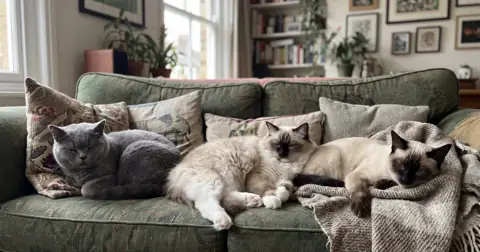
| Colourpoint | Darker points on ears, mask, legs and tail; no white |
| Mitted | Points with white "mittens" on the front paws, white back legs up to the hock, and a white chin and chest stripe |
| Bicolour | Points on ears, mask and tail; an inverted white "V" on the face; white legs and belly |
Colours
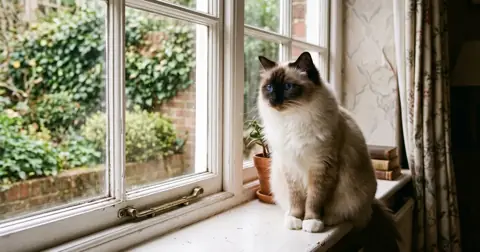
- Seal: dark brown points (seal colourpoint, seal mitted, seal bicolour).
- Blue: grey-blue points; blue colourpoint and blue bicolour Ragdolls are very popular.
- Chocolate and lilac: lighter brown and pinkish-grey points.
- Red and cream: warm orange and pale cream points.
- Tortie and tabby (lynx) variations of all the above.
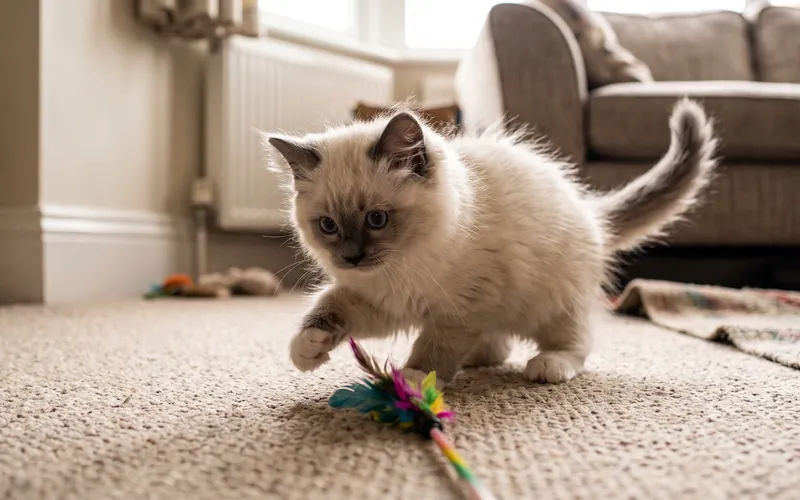
Ragdoll kittens are born almost white, and their colour gradually develops, often taking two years to reach full depth.
Mink and other non-standard Ragdolls
Mink Ragdolls have darker body colour and aqua eyes due to a different colour gene. They aren't recognised by the GCCF but are bred by some breeders registered elsewhere. "Ragdoll mix" kittens are crosses and are best considered as lovely moggies rather than Ragdolls.
Ragdoll personality
Ragdolls are known for being:
- Gentle and placid: many go floppy when picked up.
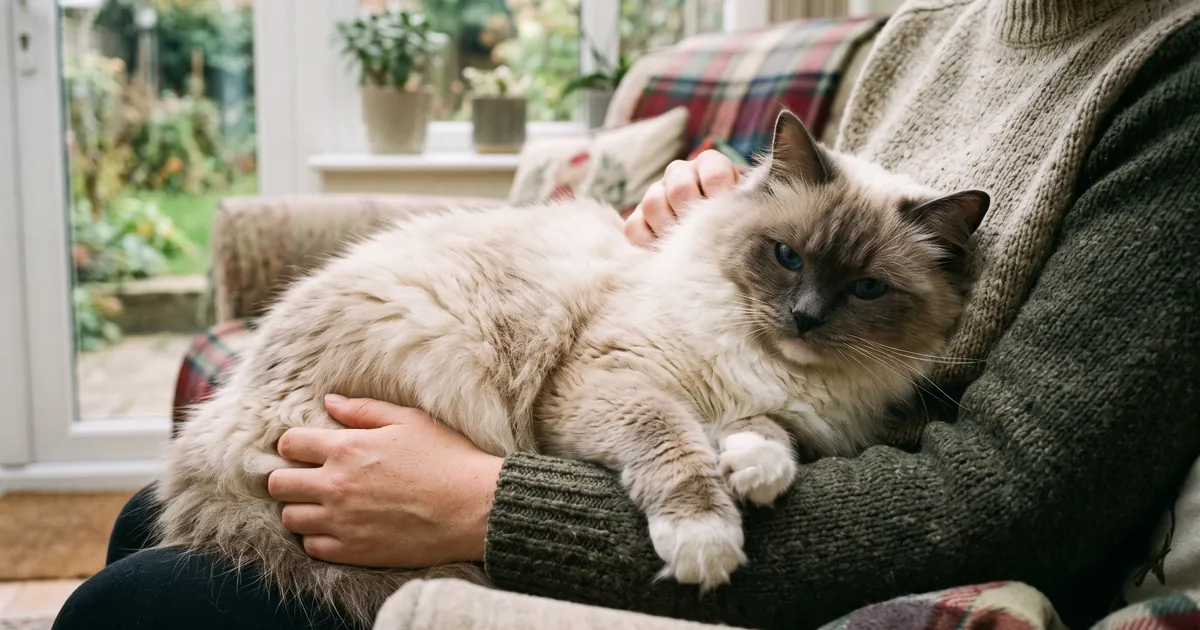
- Affectionate: they love laps and often greet owners at the door.
- Sociable: usually good with children, other cats and cat-friendly dogs.
- Quiet: soft voices and a calm presence.
- Playful in moderation: they enjoy gentle games and some will fetch.
- Trusting: which is lovely indoors but can be risky outside, where they may not avoid dangers.
Caring for a Ragdoll
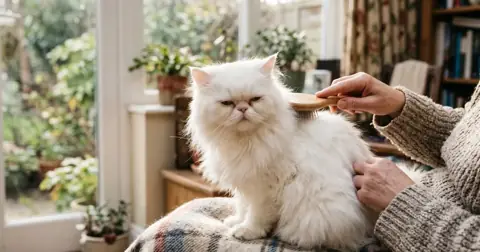
- Grooming: comb two or three times a week, paying attention to the armpits, belly and behind the ears. Ragdolls lack a dense undercoat, so their fur mats less than many long-haired breeds.
- Indoor life: provide sturdy cat trees, window perches and daily play. Read about indoor cat breeds and enrichment.
- Weight control: Ragdolls can become overweight. Measure meals using our cat food calculator and check weight with our cat weight checker.
- Hairballs: extra brushing during moulting helps. See hairball remedies.
- Safe outdoors: a catio or secure garden suits many Ragdolls.
- Dental care: brush teeth regularly and ask for dental checks at each annual vet visit. Our cat dental chart explains what your vet looks for.
Ragdoll cat health
| Condition | Screening or prevention |
|---|---|
| Hypertrophic cardiomyopathy (HCM) | DNA test for the Ragdoll-specific MYBPC3 mutation (R820W) plus heart scans |
| Polycystic kidney disease (PKD) | DNA test in some lines |
| Bladder problems and stones | Good hydration, wet food, healthy weight |
| Obesity | Measured feeding and play |
Ragdolls are often more expensive to insure than moggies because of breed-related heart risk. See our guide to cat insurance.
Ragdoll cat price in the UK
| Option | Typical UK cost |
|---|---|
| Registered pet kitten (health-tested parents) | £800–£1,500 |
| Show or breeding quality | £1,500+ |
| Adult Ragdoll from a rehoming scheme | £100–£250 |
| Ragdoll cross from a rescue | £50–£150 |
How to buy a Ragdoll cat
- Find breeders through Ragdoll breed clubs and the GCCF.
- Check health tests: HCM DNA status and heart scans for both parents, and PKD testing where relevant.
- Visit the kittens with their mother and see where they're raised.
- Ask about colour and pattern, remembering kittens' colours deepen over time.
- Check paperwork: registration, vaccinations, microchip and contract.
- Collect at around 13 weeks, ideally with insurance in place.
Be wary of cheap "Ragdoll" kittens without papers, sellers who won't let you see the mother, or kittens offered for delivery. These are common signs of kitten farming or scams.
Why do Ragdolls go floppy?
The Ragdoll's habit of relaxing completely when picked up is part of its breed reputation, and many individuals really do go limp in your arms. It isn't caused by any medical difference: it's a sign of a very relaxed, trusting temperament that breeders have selected for. Not every Ragdoll does it, and even floppy Ragdolls should be supported properly under the chest and back legs when lifted.
Ragdolls with children and other pets
Ragdolls are usually patient and tolerant, which makes them popular with families. They tend to accept gentle handling and enjoy being part of household life. They also usually get on with other calm cats and cat-friendly dogs. Because they're so trusting, teach children to handle them carefully and never to drop or squeeze them, and make sure your Ragdoll always has a quiet place to retreat to.
The cost of owning a Ragdoll
As a large breed, a Ragdoll eats more than an average cat and needs bigger litter trays, carriers and sturdy cat trees. Insurance usually costs more than for a moggy, and you may want occasional professional grooming. Routine costs such as vaccinations and neutering are the same as for any cat; see our guides to cat vaccination costs and cat neutering cost.
Ragdoll rescue and rehoming
Ragdolls sometimes need new homes because of allergies, moves or changes in circumstances. Ragdoll breed clubs and dedicated rescue groups rehome adult cats across the UK, and general rescues occasionally have Ragdolls. Adopting an adult means you know its temperament, and many rehomed Ragdolls settle quickly. Read our guide on how to foster a cat for how rescues work.
Ragdoll vs Birman vs Ragamuffin
| Ragdoll | Birman | Ragamuffin | |
|---|---|---|---|
| Size | Large | Medium–large | Large |
| Eyes | Blue | Blue | Any colour |
| Patterns | Colourpoint, mitted, bicolour | Pointed with white gloves | Many colours and patterns |
| Temperament | Very docile | Gentle, sociable | Very docile |
Read our Birman cat guide to compare.
Ragdoll kittens: growing up
Ragdolls are slow-maturing cats. Kittens are usually 1 to 1.5 kg when they go home at 13 weeks, and they keep growing and filling out until about 3 to 4 years old. Their colour and pattern also develop slowly, so the fluffy white kitten you take home may look quite different by its second birthday. Ragdoll kittens are playful but usually calmer than many breeds. Start gentle grooming early so they enjoy it as adults.
Is a Ragdoll right for you?
A Ragdoll is ideal if you want a calm, affectionate, family-friendly cat that's happy indoors, and you don't mind regular grooming. It may not suit you if you want a very active, independent cat, or can't provide space for a large breed. Compare options in our guide to the best indoor cat breeds.
FAQs
How much is a Ragdoll cat in the UK?
A registered Ragdoll kitten from a health-testing breeder usually costs £800 to £1,500. Show-quality kittens can cost more. Adult Ragdolls from rescues or rehoming schemes typically cost £100 to £250.
What is a seal colourpoint Ragdoll?
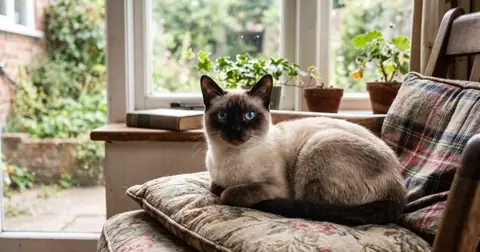
A seal colourpoint Ragdoll has dark brown points on the face, ears, legs and tail, with no white, and a cream to fawn body. It's one of the most classic Ragdoll looks. A blue colourpoint has grey-blue points on a pale body.
What is a bicolour Ragdoll?
A bicolour Ragdoll has coloured points on the ears, mask and tail, an inverted white 'V' on the face, white legs and a white belly. Seal bicolour and blue bicolour are among the most popular.
What is a mink Ragdoll?
Mink Ragdolls carry a colour gene that gives them darker body colour at birth and aqua or green eyes rather than blue. They aren't recognised as Ragdolls by the GCCF in the UK, but some breeders and registries outside the GCCF produce them.
Are Ragdolls good indoor cats?
Yes. Ragdolls are among the best indoor breeds because they're calm, people-focused and less driven to roam. Their trusting nature can make them vulnerable outdoors, so many owners keep them indoors or give them a secure garden.
Where can I find Ragdoll cats for rehoming in the UK?
Ragdoll breed clubs run rescue and rehoming schemes, and general charities sometimes have Ragdolls or Ragdoll crosses. Adopting an adult means you'll know its personality and size.
Sources and further reading
This guide is for general information only and is not a substitute for advice from a vet. Medicines, doses and costs change: always follow your vet and the product leaflet. If your cat is unwell or you think it has eaten something toxic, contact your vet or an emergency vet straight away.