British Shorthair cat: colours, personality and UK prices
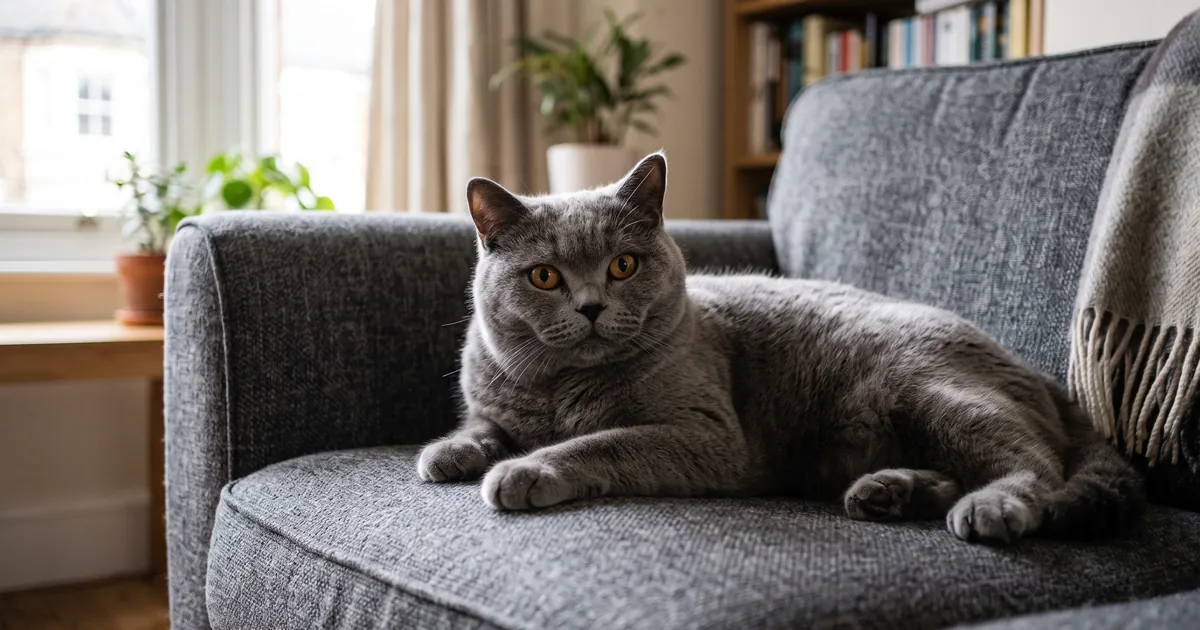
The British Shorthair cat is one of the UK's most popular pedigree breeds: a round-faced, teddy-bear cat with a dense, plush coat and a calm, easy-going nature. The classic British Blue is famous, but British Shorthairs come in many colours, including the striking silver tabby. In the UK, a registered British Shorthair kitten usually costs £800 to £1,500.
Quick answer
- British Shorthairs are calm, independent and affectionate on their own terms.
- Colours include blue, lilac, black, cream, chocolate, colourpoint and silver tabby.
- UK kittens usually cost £800–£1,500; some colours cost more.
- They gain weight easily; ask breeders about PKD and HCM testing.
British Shorthair at a glance
| Trait | British Shorthair |
|---|---|
| Size | Medium to large, cobby and muscular |
| Weight | Females 4–5.5 kg, males 5–7.5 kg |
| Coat | Short, very dense and plush |
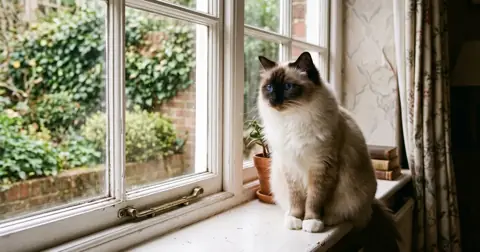
| Eyes | Copper or gold in most colours; green in silver tabbies; blue in colourpoints |
| Grooming | Weekly; more during moults |
| Energy | Low |
| Temperament | Calm, independent, loyal, undemanding |
| Lifespan | Around 12–17 years |
| UK kitten price | £800–£1,500 |
History of the British Shorthair
The British Shorthair is descended from the domestic cats of Britain, possibly going back to cats brought by the Romans. In the late 1800s, Harrison Weir, who organised the first cat show at Crystal Palace in 1871, helped develop the breed from the sturdiest street and farm cats. Numbers fell sharply during the two World Wars, and breeders rebuilt the breed with help from other breeds, including Persians. Today it's one of the UK's best-loved pedigree cats.
British Shorthair colours
| Colour or pattern | Description |
|---|---|
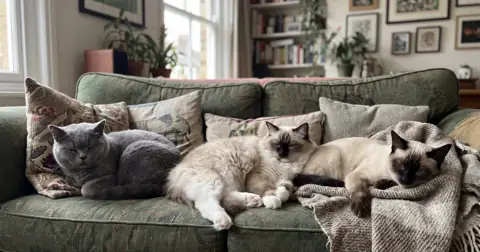
| Blue (British Blue) | Solid grey-blue with copper eyes: the classic British Shorthair |
| Lilac | Pinkish dove-grey |
| Black, white, cream, red | Solid colours |
| Chocolate, cinnamon, fawn | Warm brown shades |
| Silver tabby | Black tabby markings on silver-white, often with green or hazel eyes |
| Golden and tipped | Shaded coats with darker tips |
| Colourpoint | Darker points with blue eyes |
| Bicolour and tortoiseshell | Patches of colour with or without white |
Silver tabby British Shorthair
The silver tabby British Shorthair is one of the most recognisable colours, made famous by cat food adverts. It has a bright silver background with dense black tabby markings, usually in the classic (blotched) pattern, and green or hazel eyes. Silver British Shorthairs are popular and sometimes cost more than standard blues.
British Shorthair personality
- Calm and easy-going: not easily rattled by household noise.
- Independent: content with their own company for parts of the day.
- Affectionate on their terms: they like to be near you but often dislike being carried.
- Quiet: soft voices and rarely demanding.
- Playful in short bursts, especially when young.
- Good with families and other pets, thanks to their tolerant nature.
Their placid temperament makes them one of the best indoor cat breeds for flats and busy households.
Caring for a British Shorthair
Weight control
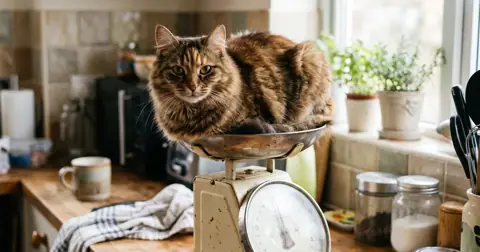
British Shorthairs are naturally sturdy and love their food, but they're prone to obesity, especially indoors and after neutering. Weigh your cat monthly, feed measured meals and limit treats. Use our cat weight checker to see the healthy range for the breed, and our cat food calculator to set portions.
Grooming
The dense coat needs a weekly brush with a rubber brush or comb, and more often during heavy spring and autumn moults, when British Shorthairs shed a lot.
Exercise
They're not very active, so encourage daily play with wand toys and puzzle feeders to keep them fit. Short, regular sessions work best.
Handling
Many British Shorthairs dislike being picked up. Teach children to stroke them while they're on the floor or sofa rather than carrying them.
Indoors or outdoors?
Their laid-back nature means most British Shorthairs adapt well to indoor life, especially in flats or homes near busy roads. Pedigree cats are also at higher risk of theft, which is another reason many owners keep them inside or give them a secure garden enclosure. If your cat lives indoors, provide window perches, cat trees, scratching posts and rotating toys so it doesn't get bored or lazy. A catio or cat-proof fenced garden is a good compromise, giving fresh air and stimulation without the risks of roaming.
Feeding a British Shorthair
Choose a complete, good-quality food and weigh out daily portions rather than leaving a full bowl down. Many owners combine wet pouches with a measured amount of dry food. Because the breed matures slowly, kittens can stay on kitten food until about 12 months. After neutering, energy needs drop by about a quarter, so reduce portions and keep checking body condition. You should be able to feel your cat's ribs under a thin layer of fat, and see a slight waist from above.
A day with a British Shorthair
A typical British Shorthair spends much of the day resting in a favourite spot, often somewhere it can keep an eye on the household. It'll usually greet you at the door, follow you from room to room and settle nearby while you work or watch TV. Expect a lively play session or two, often in the early morning and evening, followed by long naps. British Shorthairs cope better than many breeds with owners who work during the day, although a second cat or a mid-day visit from a pet sitter can help younger cats with more energy.
British Shorthair lifespan and senior care
Most British Shorthairs live around 12 to 17 years, and many reach their late teens with good care. As they age, watch for weight changes, stiffness, drinking more, dental problems and changes in toilet habits. Book check-ups every 6 to 12 months from around age 8, including blood pressure checks and blood tests for kidney and thyroid function. To compare your cat's age with a human's, try our cat years calculator.
British Shorthair health
| Condition | Screening or prevention |
|---|---|
| Hypertrophic cardiomyopathy (HCM) | Regular heart scans of breeding cats |
| Polycystic kidney disease (PKD) | DNA test, as some lines carry it from Persian ancestry |
| Obesity | Measured feeding and play |
| Dental disease | Regular dental care |
| Haemophilia B | Rare inherited bleeding disorder |
| Blood type B | Common in the breed; important for breeding and transfusions |
Read more about heart health in our guide to normal cat heart rate and blood pressure. British Shorthairs usually have moderate insurance premiums; see cat insurance.
British Shorthair price in the UK
| Option | Typical UK cost |
|---|---|
| Registered blue pet kitten | £800–£1,300 |
| Lilac, silver, golden, colourpoint or rare colours | £1,000–£1,800 |
| Show or breeding quality | £1,500+ |
| Rehomed adult | £100–£250 |
Prices in London and the South East are often at the higher end. Be cautious of "British Blue" kittens advertised very cheaply without registration.
Finding British Shorthairs for sale in the UK
- Contact British Shorthair breed clubs through the GCCF, including clubs for specific colours.
- Ask for health results: PKD DNA status and heart scans for both parents, and blood group.
- Visit the kittens with their mother, whether you're in London or anywhere else in the UK.
- Check paperwork: registration, vaccinations, microchip, worming and a contract.
- Collect at around 13 weeks or older.
British Shorthairs are a common target for kitten farms and online scams because of their popularity. Never pay a deposit without seeing the kitten with its mother, and avoid sellers who offer to deliver kittens.
British Shorthair kittens
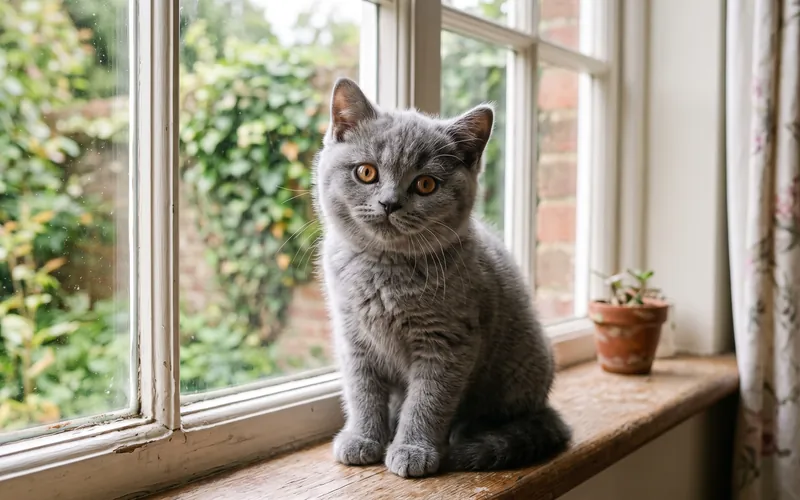
British Shorthair kittens are chunky, playful and curious, but usually calmer than many breeds. They grow slowly and fill out over about three years, developing the breed's broad chest and full cheeks (especially in males). Start handling and gentle grooming early, provide toys and scratching posts, and arrange vaccinations and neutering. See our guides to vaccination costs and neutering costs.
British Shorthair rescue
British Shorthairs and British-type cats regularly need rehoming through breed clubs and general rescues. Adult British Shorthairs often settle quickly thanks to their calm nature. Our guide on how to foster a cat explains how UK rescues work.
British Shorthair vs Scottish Fold vs Exotic
British Shorthairs are sometimes confused with Scottish Folds, which have folded ears. The fold gene affects cartilage throughout the body and causes painful joint disease, and the Scottish Fold isn't recognised by the GCCF. If you like the British look, choose a British Shorthair with normal upright ears. The Exotic Shorthair has a similar plush coat but a flat, Persian-type face.
Is a British Shorthair right for you?
A British Shorthair may be perfect if you want a calm, low-maintenance, independent cat that's happy indoors and good with families. It may not suit you if you want a very cuddly lap cat that loves being carried, or a high-energy playmate. Compare breeds in our guide to the best indoor cat breeds.
FAQs
How much is a British Shorthair cat in the UK?
A registered British Shorthair kitten from a health-testing UK breeder usually costs £800 to £1,500, with some colours, such as lilac, colourpoint or golden, costing more. Rehomed adults typically cost £100 to £250.
What colours do British Shorthairs come in?
The best-known colour is blue (grey), but British Shorthairs come in black, white, cream, lilac, chocolate, cinnamon, fawn, red, tortoiseshell, bicolour, colourpoint, smoke, tipped and tabby patterns, including the popular silver tabby.
Are British Shorthair cats affectionate?
British Shorthairs are affectionate and loyal, but usually on their own terms. Many prefer sitting next to you rather than on your lap, and often dislike being picked up and carried.
How big do British Shorthairs get?
Females typically weigh 4 to 5.5 kg and males 5 to 7.5 kg. They're slow to mature and may not reach full size until about 3 years old. They're prone to weight gain, so measured feeding is important.
What health problems do British Shorthairs have?
Health concerns include hypertrophic cardiomyopathy (HCM), polycystic kidney disease (PKD) in some lines, obesity, dental disease and, less commonly, haemophilia B. Many British Shorthairs are blood type B.
Is a silver tabby British Shorthair the 'Whiskas cat'?
The silver tabby British Shorthair became famous from cat food advertising, which is why it's sometimes called the 'Whiskas cat'. It's a popular colour with black tabby markings on a silver-white background.
Sources and further reading
This guide is for general information only and is not a substitute for advice from a vet. Medicines, doses and costs change: always follow your vet and the product leaflet. If your cat is unwell or you think it has eaten something toxic, contact your vet or an emergency vet straight away.