Sphynx cat: the hairless cat guide for UK owners
The Sphynx cat is the best-known hairless breed: warm, wrinkled, big-eared and full of personality. Sphynx are outgoing, affectionate attention-seekers, but going without fur means extra care: regular baths, protection from cold and sun, and close attention to skin, ears and heart health. In the UK, a registered Sphynx kitten usually costs £1,000 to £2,000.
Quick answer
- Sphynx are affectionate, energetic and sociable; they love warmth and attention.
- Their skin needs regular bathing (often weekly) and their ears and nail folds need cleaning.
- Keep them warm and out of strong sun; jumpers and coats help in cold homes.
- UK kittens cost about £1,000–£2,000; ask breeders about HCM heart scans.
Sphynx cat at a glance
| Trait | Sphynx |
|---|---|
| Size | Medium, muscular with a rounded belly |
| Weight | Females 3–4 kg, males 3.5–5.5 kg |
| Coat | Hairless or fine peach-fuzz down |
| Grooming | Regular bathing, ear and nail-fold cleaning |
| Energy | High |
| Temperament | Extroverted, affectionate, playful, attention-seeking |
| Lifespan | Around 12–15 years |
| UK kitten price | £1,000–£2,000 |
History of the Sphynx
Hairless cats have appeared naturally through genetic mutation for centuries. The modern Sphynx began in Canada in 1966, when a hairless kitten called Prune was born to a domestic cat. Further hairless cats were found in Canada and the US, and breeders developed the breed using crosses with Devon Rex and other domestic cats to keep it healthy. The Sphynx is now recognised by the GCCF and is one of the UK's more popular pedigree breeds.
Appearance
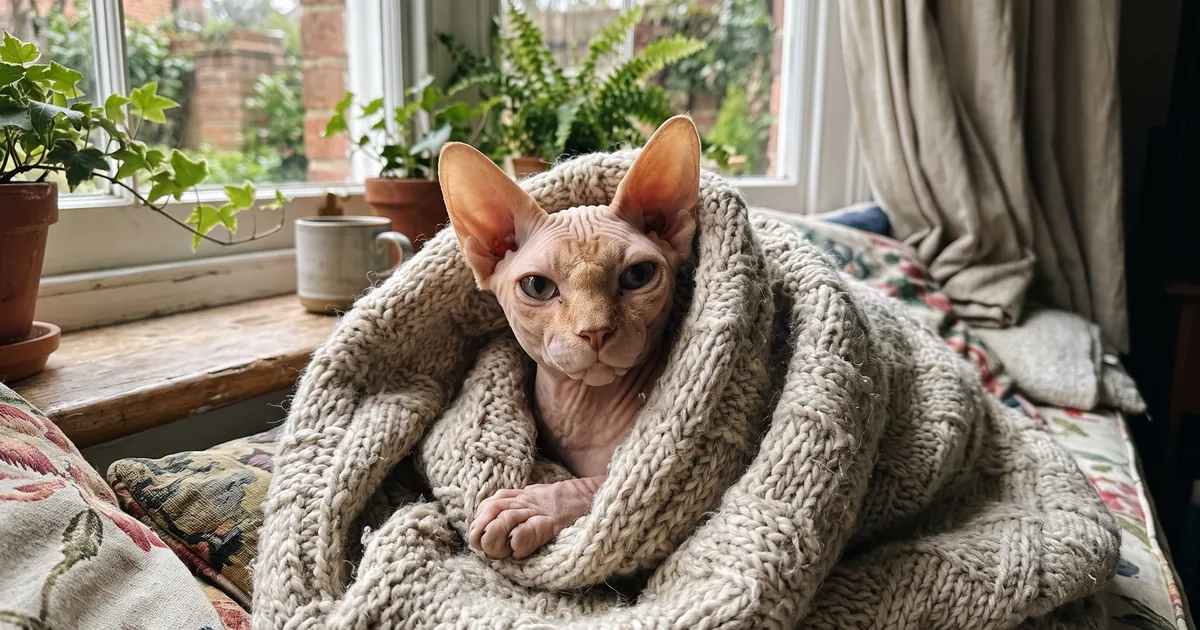
Sphynx cats are not completely bald; most have a fine down, like a peach, especially on the nose, ears and tail. Their skin shows the colour and pattern their coat would have had, so you'll see tabby, tortie, pointed and solid Sphynx. They have large, wide ears, lemon-shaped eyes, wrinkles around the head and shoulders, and a warm, suede-like feel. Many are noticeably pot-bellied.
Sphynx personality
- Outgoing and sociable: they greet visitors and enjoy being the centre of attention.
- Affectionate: they love laps, cuddles and sleeping under the duvet.
- Energetic and playful: they climb, play fetch and explore.
- Intelligent: many learn tricks and routines quickly.
- Dislike being alone: they often do best with company or another cat.
Caring for a Sphynx cat
Bathing and skin care
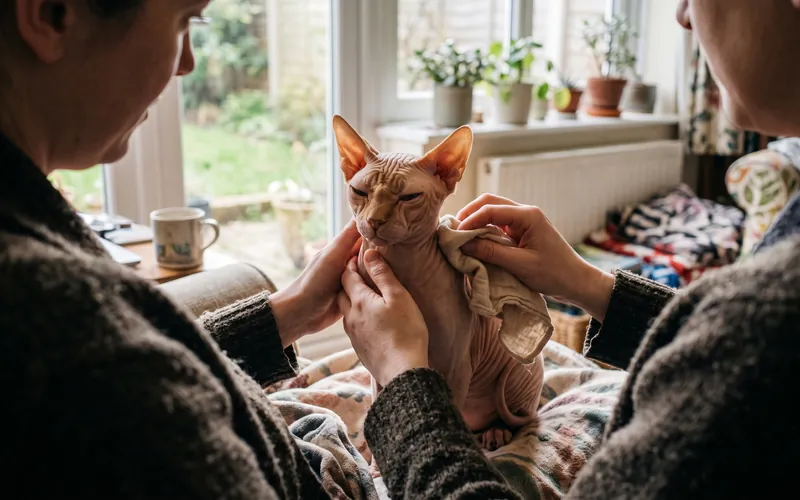
Without fur to absorb them, skin oils build up on a Sphynx, causing greasy skin, blackheads and marks on furniture. Most Sphynx need a bath about once a week (some more, some less):
- Use warm (not hot) water and a gentle cat shampoo recommended by your vet.
- Wash gently, including skin folds, then rinse thoroughly.
- Dry immediately with a warm towel and keep your cat in a warm room until fully dry.
- Between baths, wipe greasy areas with a soft, damp cloth.
Ears, eyes and claws
Sphynx produce a lot of ear wax because there's no hair to keep debris out. Clean the outer ear gently with a vet-approved cleaner once a week or as needed. Wipe the eyes, which have few or no lashes. Clean the folds around the claws, where oily debris collects, and trim claws regularly.
Keeping warm
Sphynx lose heat quickly and love warmth. Provide heated beds, fleece blankets and warm, draught-free sleeping spots. Many owners use soft jumpers, coats or onesies made for hairless cats in winter. Choose breathable fabrics, check for rubbing, wash clothes often and never force clothes on a cat that hates them.
Sun protection
Sphynx skin burns easily. Keep your cat out of strong direct sun, including through windows in summer, and use shade in catios. Ask your vet about cat-safe sun protection, as many human sunscreens contain ingredients that are harmful to cats if licked.
Diet
Sphynx have a high metabolism to stay warm, so many eat more than other cats of the same size. Feed a complete, high-quality diet and monitor weight. Our cat food calculator gives a starting point.
A weekly Sphynx care routine
| Frequency | Task |
|---|---|
| Daily | Check skin for redness, spots or scratches; wipe eyes; keep beds and blankets clean |
| Weekly | Bath, clean ears, clean claw folds, wash bedding and clothes |
| Every 2–3 weeks | Trim claws |
| Yearly | Vet health check with heart listening, dental check and vaccination booster |
Sphynx kittens
Sphynx kittens are curious, bold and extremely playful. They feel the cold even more than adults, so keep your home warm and provide heated, covered beds. Start bathing gently and early so your kitten gets used to it, keeping sessions short and calm with plenty of treats. Like all kittens, they need a full vaccination course, neutering at around 4 months and a microchip. Our guides to cat vaccination costs and neutering costs explain these.
Sphynx with children and other pets
Most Sphynx love company and do well with respectful children and other pets, especially another warm, playful cat to cuddle up with. Teach children that Sphynx skin can scratch easily and that rough play with claws should be avoided.
Sphynx cat health
| Condition | Notes |
|---|---|
| Hypertrophic cardiomyopathy (HCM) | Relatively common in the breed; breeding cats should be heart scanned regularly |
| Skin problems | Yeast infections, acne, sunburn and an allergic-type skin condition (urticaria pigmentosa) |
| Dental and gum disease | Common; regular dental care helps |
| Respiratory infections | Sphynx may be more prone to upper respiratory infections |
| Congenital myasthenic syndrome | Inherited muscle weakness, shared with the Devon Rex; DNA test available |
Learn more about heart health in our guide to normal cat heart rate. Sphynx are usually more expensive to insure; see cat insurance.
How much are hairless cats in the UK?
| Option | Typical UK cost |
|---|---|
| Registered Sphynx pet kitten | £1,000–£2,000 |
| Show or breeding quality | £2,000+ |
| Rehomed adult Sphynx | £100–£300 |
Ongoing costs include extra food, shampoo, heated beds and clothing, and higher insurance premiums.
Buying a Sphynx cat in the UK
- Find breeders through GCCF Sphynx breed clubs.
- Ask for heart scan results for both parents, and DNA test results for congenital myasthenic syndrome where relevant.
- Visit to see the kittens with their mother, in a warm, clean home.
- Check the kittens' skin, eyes and ears for signs of infection.
- Check paperwork: registration, vaccinations, microchip and a contract.
- Collect at around 13 weeks or older.
Sphynx are a frequent target for online scams because of their high price. Never pay for a kitten you haven't seen with its mother, and be wary of "Sfinks" or hairless kittens offered cheaply or for delivery.
Sphynx cat clothes: what to choose
Clothes for hairless cats can help in cold weather and after bathing. Look for soft, stretchy, breathable fabrics with no buttons, zips or loose threads that could be chewed. Measure your cat's neck, chest and length and choose a snug but not tight fit. Introduce clothes gradually with treats, and remove them if your cat seems stressed, overheated or unable to move or groom normally. Wash clothes regularly, as they absorb skin oils.
Sphynx and allergies
Many people choose a Sphynx hoping it won't trigger allergies, but cat allergies are mainly caused by Fel d 1, a protein found in saliva and skin oils, not fur. Sphynx still produce Fel d 1, and some people react strongly. Spend time with Sphynx cats before committing. Read more about allergies in our guides to the Siberian and best indoor cat breeds.
Sphynx cat rescue
Sphynx sometimes need rehoming when owners underestimate their care needs or develop allergies. Breed clubs and specialist rescues rehome adult Sphynx, and the right adopter can give these sociable cats a wonderful home. Ask rescues about each cat's skin and heart history. Read our guide on how to foster a cat to learn how rescues work.
Is a Sphynx right for you?
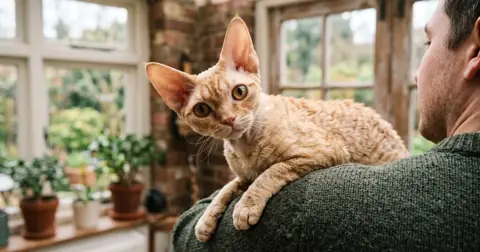
A Sphynx may be ideal if you want a sociable, affectionate, playful cat, you're home a lot, and you're happy with weekly baths and skin care. It may not suit you if you want a low-maintenance cat, have a cold home, or are away for long hours. Similar active, people-focused breeds include the Devon Rex.
FAQs
How much is a Sphynx cat in the UK?
A registered Sphynx kitten from a health-testing UK breeder usually costs £1,000 to £2,000. Rehomed adult Sphynx cats typically cost £100 to £300.
Do Sphynx cats need baths?
Yes. Sphynx skin produces oils that would normally be absorbed by fur. Without regular baths, often weekly, the oil builds up, leaving greasy marks on furniture and increasing the risk of skin problems.
Are Sphynx cats hypoallergenic?
No. Cat allergies are caused mainly by a protein in saliva and skin, not fur. Sphynx cats still produce this allergen, though some people with mild allergies find them easier to live with.
Do Sphynx cats need clothes?
Many Sphynx benefit from a soft jumper or coat in cold homes or winter, as they lose heat quickly. Clothes should fit well, be breathable and be washed often, and your cat should be comfortable wearing them.
Can Sphynx cats go outside?
Sphynx can get cold quickly and burn easily in the sun, so they're usually kept indoors or given safe, sheltered, supervised outdoor time, such as a catio with shade.
What health problems do Sphynx cats have?
Sphynx are prone to hypertrophic cardiomyopathy (HCM), skin conditions, dental disease and respiratory infections. Some lines carry congenital myasthenic syndrome. Responsible breeders heart scan their breeding cats regularly.
Sources and further reading
This guide is for general information only and is not a substitute for advice from a vet. Medicines, doses and costs change: always follow your vet and the product leaflet. If your cat is unwell or you think it has eaten something toxic, contact your vet or an emergency vet straight away.