Antibiotics for cats: what UK vets prescribe and why
Antibiotics for cats treat bacterial infections such as bite abscesses, infected wounds, some urinary and skin infections, and complications of cat flu. In the UK they're all prescription-only, and your vet chooses the right one for the infection. This guide explains the common antibiotics vets use, how to give them properly and the side effects to watch for.
Quick answer
- Antibiotics only work on bacterial infections, not viruses such as cat flu viruses.
- Common cat antibiotics include amoxicillin-clavulanate (Synulox, Clavaseptin, Noroclav), clindamycin (Zodon) and doxycycline (Ronaxan).
- Always finish the course, even if your cat seems better.
- After any doxycycline or clindamycin tablet, give water or food to stop it damaging the food pipe.
When do cats need antibiotics?
Antibiotics kill or stop the growth of bacteria. Vets prescribe them for confirmed or very likely bacterial infections, such as:
- Bite abscesses and infected wounds, very common in outdoor cats. See our guide to a cat swollen lip or face.
- Skin infections (pyoderma), often secondary to allergies or scratching.
- Dental infections and tooth root abscesses, usually alongside dental treatment.
- Some urinary tract infections, ideally confirmed with a urine culture.
- Secondary infections in cat flu, or infections caused by bacteria such as Chlamydia felis, Mycoplasma or Bordetella. Read cat cold symptoms.
- Eye infections, usually treated with antibiotic drops. See cat eye problems.
Antibiotics don't treat viral infections, fungal infections such as ringworm, or most cases of cystitis in cats, which are often stress-related rather than bacterial. Your vet may test a sample before prescribing, to choose the most effective drug.
Antibiotics for cats with bite abscesses
Bite abscesses are one of the most common reasons UK vets prescribe antibiotics for cats. The most important treatment is often draining and cleaning the abscess, with antibiotics to clear the remaining infection and pain relief to keep your cat comfortable. Keep your cat indoors until the wound heals, and gently clean any discharge with cooled boiled water if your vet advises.
Antibiotics for cats with urinary problems
Many cats that strain, pass small amounts of urine or pee outside the tray don't have a bacterial infection: they have feline idiopathic cystitis, often linked to stress. Antibiotics won't help these cats. Vets usually test a urine sample first and prescribe antibiotics only if bacteria are confirmed, which is more common in older cats and cats with kidney disease or diabetes. A male cat straining without passing urine is an emergency, as he may have a blocked bladder.
Common antibiotics for cats in the UK
| Active ingredient | Example brands | Form | Typical uses |
|---|---|---|---|
| Amoxicillin + clavulanic acid | Synulox, Clavaseptin, Noroclav, Cladaxxa | Tablets, palatable tablets, injection | Skin, wounds, abscesses, respiratory and urinary infections |
| Clindamycin | Zodon, Antirobe | Oral liquid, capsules, tablets | Dental infections, bone infections, abscesses, toxoplasmosis |
| Doxycycline | Ronaxan | Tablets | Respiratory infections, Chlamydia, Mycoplasma, Bordetella |
| Cefovecin | Convenia | Long-acting injection (about 14 days) | Skin infections and abscesses in cats hard to medicate |
| Marbofloxacin and others | Marbocyl and others | Tablets, injection | Reserved for specific infections, often after testing |
UK vets follow responsible-use guidelines, using first-line antibiotics where possible and reserving certain drugs (such as fluoroquinolones and some cephalosporins) for infections confirmed by testing.
Synulox for cats
Synulox is one of the most commonly prescribed cat antibiotics. It combines amoxicillin with clavulanic acid, which stops some bacteria from destroying the amoxicillin. Palatable tablets can often be given in food. Clavaseptin, Noroclav and Cladaxxa are equivalent products from other manufacturers.
Zodon for cats
Zodon contains clindamycin and comes as a liquid or tablets. It's often used for dental and mouth infections, as it penetrates bone and tissue well. The liquid can taste unpleasant, so cats may drool or foam after a dose.
Ronaxan for cats
Ronaxan contains doxycycline and is often used for respiratory infections. It's particularly important to follow each tablet with water or food (see below).
How to give antibiotics to a cat
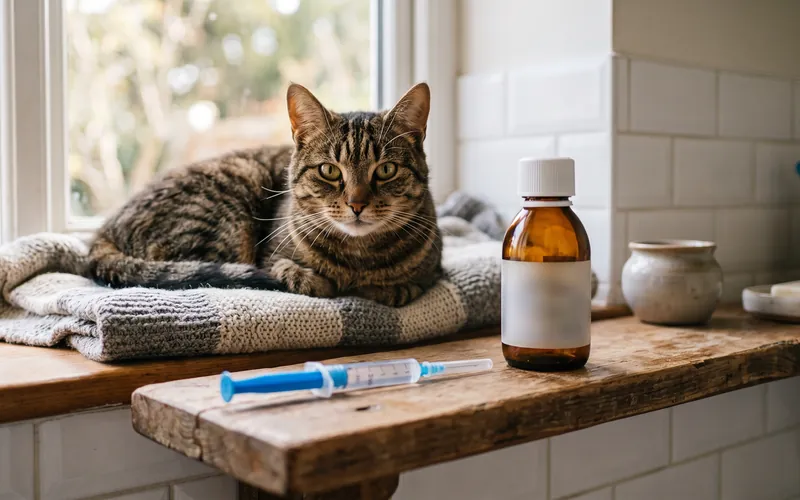
- Read the label: dose, how often, whether with food, and how long the course lasts.
- Give doses evenly spaced, for example every 12 hours for twice-daily medicines.
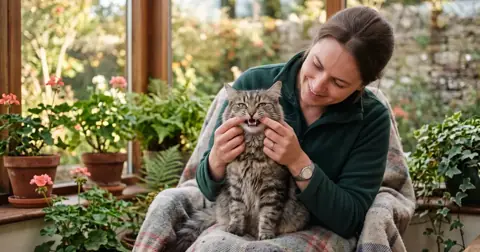
- Tablets: hide in a small amount of soft food or give directly, then follow with a treat. Our guide on how to give a cat a pill has step-by-step help.
- Liquids: shake well, draw up the exact dose and give it slowly into the side of the mouth.
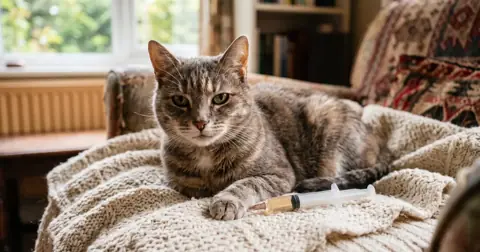
- Follow tablets with water or food. Use a syringe of 5 ml of water or offer a little wet food straight away.
- Finish the course, even when your cat seems better.
Doxycycline and clindamycin tablets can damage the food pipe. If a tablet sticks in the oesophagus, it can cause painful inflammation and scarring (stricture), leading to swallowing problems. Always follow these tablets with at least 5 ml of water from a syringe or some food. Never give them dry at bedtime.
Antibiotics for cats without vet prescription: why not?
Searches for "cat antibiotics without vet prescription" are common, but in the UK all antibiotics for animals are prescription-only. There are good reasons:
- Many problems that look like infections, such as cat flu, cystitis, allergies or eye ulcers, aren't caused by bacteria or need other treatment too.
- Using the wrong antibiotic or dose can fail to clear the infection.
- Unnecessary antibiotics cause side effects and contribute to antibiotic resistance, which affects both animal and human health.
- Some human antibiotics and doses are unsafe for cats.
If cost is a concern, ask your vet for a written prescription so you can compare pharmacy prices, or ask about charities such as the PDSA.
Side effects of antibiotics in cats
- Reduced appetite.
- Vomiting.
- Diarrhoea or soft stools.
- Drooling or foaming after bitter-tasting liquids.
- Rarely, allergic reactions: swelling of the face, hives, vomiting or difficulty breathing.
Give the medicine with food if your vet allows it, which reduces stomach upset. Contact your vet if your cat stops eating, vomits repeatedly, has severe or bloody diarrhoea, or shows any signs of an allergic reaction. Some vets suggest a probiotic during and after a course to support gut health; see our guide to cat digestive problems and laxatives for more on gut health.
What if my cat won't take its antibiotics?
Missed doses can let bacteria regrow, so it's important to find a way that works. Options include:
- Palatable tablets that many cats eat as treats.
- Liquid versions, given by syringe.
- Pill pockets or pill paste to hide tablets.
- A long-acting injection (cefovecin) that lasts about two weeks, for suitable infections and cats that can't be medicated at home.
Tell your vet early if you're struggling; don't wait until the end of the course.
Finishing the course
Cats often start to look better within a day or two, but bacteria may still be present. Stopping early can allow the infection to return and encourages resistant bacteria. Give every dose until the course is finished, and return any leftover medicine to your vet for safe disposal rather than keeping it for next time.
Cost of antibiotics for cats
A course of tablets typically costs £15 to £40, depending on the drug, the size of your cat and the length of the course. A long-acting injection costs more, often £30 to £60 including administration. The consultation fee (around £45 to £80) is usually the bigger part of the bill. Infections caused by accidents or illness are usually covered by insurance. See our guide to cat insurance.
Preventing infections
- Neuter your cat to reduce fighting and bite abscesses. See our guide to cat neutering cost.
- Keep vaccinations up to date to reduce cat flu.
- Check your cat for wounds after fights and see a vet promptly if you find one.
- Keep up with dental care.
- Control fleas and allergies to reduce skin infections.
FAQs
Can I get antibiotics for my cat without a vet prescription?
No. In the UK, antibiotics for animals are prescription-only medicines. A vet must examine your cat to decide whether an antibiotic is needed and which one is right. Using antibiotics unnecessarily can cause side effects and contributes to antibiotic resistance.
What is Synulox used for in cats?
Synulox contains amoxicillin and clavulanic acid. Vets use it for many infections, including skin infections, abscesses, wounds, some respiratory infections and some urinary infections. Clavaseptin, Noroclav and Cladaxxa contain the same combination.
How long do antibiotics take to work in cats?
Many cats start to improve within 24 to 72 hours of starting antibiotics. If your cat isn't improving after 2 to 3 days, or gets worse, contact your vet. Even when your cat seems better, finish the full course.
Can I give my cat human antibiotics?
No. Human antibiotics may be the wrong drug, the wrong dose or contain ingredients unsafe for cats. Some antibiotics are toxic to cats at certain doses. Only give medicines prescribed for your cat.
What are the side effects of antibiotics in cats?
The most common side effects are reduced appetite, vomiting and diarrhoea. Rarely, cats have allergic reactions. Some antibiotics, especially doxycycline tablets, can damage the food pipe if they get stuck, which is why they must be followed by water or food.
Do cats need antibiotics for cat flu?
Cat flu is mainly caused by viruses, which antibiotics don't kill. Vets may prescribe antibiotics if there's a secondary bacterial infection, such as thick yellow-green discharge, or if bacteria such as Chlamydia or Bordetella are involved.
Sources and further reading
This guide is for general information only and is not a substitute for advice from a vet. Medicines, doses and costs change: always follow your vet and the product leaflet. If your cat is unwell or you think it has eaten something toxic, contact your vet or an emergency vet straight away.