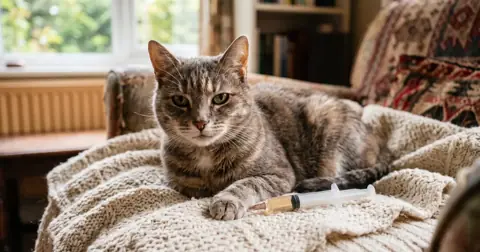
Can you give cats paracetamol? No, and here's why
No, you should never give cats paracetamol, including children's Calpol. Cats can't break down paracetamol safely, and even a small part of one tablet can cause fatal poisoning. Ibuprofen, aspirin and many other human medicines are also dangerous. Here's why, the warning signs of poisoning, and what to do if your cat has swallowed a human painkiller.
Quick answer
- Paracetamol is highly toxic to cats. Even a fraction of a 500 mg tablet can kill.
- Calpol and other children's medicines contain paracetamol and are just as dangerous.
- Ibuprofen, aspirin, naproxen and diclofenac gels can cause stomach ulcers and kidney failure.
- If your cat has swallowed any human painkiller, contact a vet immediately, even if it seems fine.
Why paracetamol is so dangerous to cats
In people, the liver processes paracetamol safely using a chemical pathway called glucuronidation. Cats have very little ability to do this. Instead, paracetamol is converted into toxic by-products that:
- Damage red blood cells, turning haemoglobin into methaemoglobin, which can't carry oxygen. This is why poisoned cats have brown or grey gums and struggle to breathe.
- Destroy red blood cells, causing anaemia.
- Injure the liver, sometimes days after the initial signs.
Because of this, even a small fraction of a single 500 mg tablet can be fatal for an average cat. There is no safe dose of paracetamol for cats.
Can cats have Calpol?
No. Calpol and other children's pain and fever liquids contain paracetamol. They are flavoured and easy to give, which unfortunately makes accidental poisoning more likely when worried owners try to help a cat in pain. The same applies to "cold and flu" remedies, many of which contain paracetamol alongside other ingredients that are also harmful to cats.
Other human painkillers that are dangerous for cats
| Medicine | Examples | Main risks to cats |
|---|---|---|
| Paracetamol | Panadol, Calpol, many cold and flu remedies | Red blood cell damage, breathing problems, liver failure, death |
| Ibuprofen | Nurofen, many generics | Stomach ulcers and bleeding, kidney failure, seizures at high doses |
| Aspirin | Disprin, low-dose aspirin | Cats clear it very slowly: stomach ulcers, bleeding, poisoning |
| Naproxen | Prescription and pharmacy products | Stomach ulcers, kidney failure |
| Diclofenac gels and creams | Voltarol and others | Cats lick it off your skin or their fur: kidney and stomach damage |
| Codeine combinations | Co-codamol | Contain paracetamol plus opioid |
| Decongestants | Pseudoephedrine, phenylephrine | Agitation, fast heart rate, tremors, seizures |
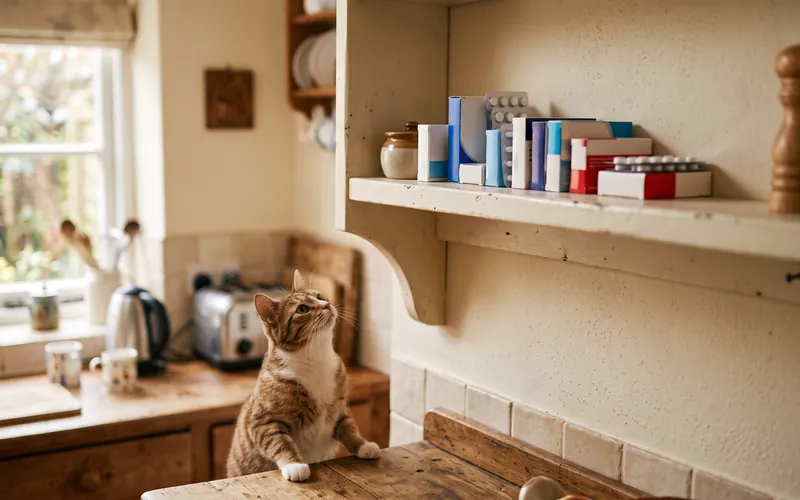
Other human medicines, including antidepressants, ADHD medicines and heart tablets, are also dangerous. Keep all medicines out of reach and pick up any dropped tablets immediately.
Signs of paracetamol poisoning in cats
Signs usually appear within 1 to 4 hours of swallowing paracetamol:
- Brown, grey, blue or muddy-coloured gums and tongue.
- Rapid or difficult breathing.
- Swelling of the face, lips and paws.
- Drooling, vomiting or loss of appetite.
- Weakness, wobbliness or collapse.
- Dark brown urine.
- Later, yellow gums or eyes (jaundice) from liver damage.
Emergency: what to do if your cat has had paracetamol
- Phone your vet or an out-of-hours emergency vet straight away. Don't wait for signs to appear.
- Tell them what was taken, how much, and when. Take the packet with you.
- Don't try to make your cat vomit at home and don't give milk or other remedies.
- Keep your cat calm and warm on the way to the vet.
Vets treat paracetamol poisoning with an antidote (acetylcysteine), oxygen, fluids, other medicines to protect red blood cells and the liver, and sometimes blood transfusions. The sooner treatment starts, the better the chance of survival. Your vet can also contact the Veterinary Poisons Information Service for specialist advice, and owners in the UK can call the Animal PoisonLine, run by the same service.
Why ibuprofen and aspirin are also unsafe
Vets do use anti-inflammatory drugs in cats, but only specific veterinary medicines at carefully calculated doses. Human NSAIDs such as ibuprofen are much more toxic to cats and can cause severe stomach ulcers and kidney failure even at doses that would be safe for a small child. Aspirin stays in a cat's body many times longer than in a person, so it builds up quickly. Never give these to your cat unless your vet has specifically prescribed a dose, which is rare.
My cat has a fever: what should I do instead?
Owners sometimes reach for paracetamol because their cat feels hot or seems feverish. In cats, warm ears or a warm body are often normal, so first read our guide to why a cat's ears feel hot or cold. If your cat really does seem to have a fever, with lethargy, hiding, not eating or fast breathing, it needs a vet to find the cause, which might be an abscess, an infection such as cat flu or something more serious. Keep your cat in a comfortable room, offer water and food, and phone your vet. Never try to bring a cat's temperature down with human medicines.
Hidden ways cats are exposed to human painkillers
- Dropped tablets that a curious cat bats around and chews.
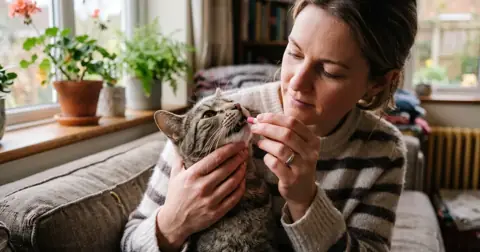
- Medicated gels and creams on your skin, which a cat licks while being stroked or sleeping on your lap.
- Well-meaning visitors or family members who give "half a tablet" for a limp.
- Cold and flu drinks left within reach on a bedside table.
If you use a painkiller gel, cover the area or wash your hands and skin before cuddling your cat.
Safe pain relief for cats
If your cat is in pain, your vet can prescribe medicines that are licensed for cats, such as:
- Meloxicam (Metacam and generics) for arthritis and post-operative pain. See our guide to Metacam for cats.
- Robenacoxib for short-term pain.
- Buprenorphine and other opioids for moderate to severe pain.
- Frunevetmab (Solensia) monthly injections for arthritis pain.
- Gabapentin for chronic or nerve pain.
Your vet chooses the right medicine based on your cat's age, weight, kidney function and other conditions.
Signs your cat might be in pain
Cats hide pain, so owners sometimes don't realise until a problem is advanced. Watch for:
- Hiding, sleeping more or being less sociable.
- A hunched posture or reluctance to move or jump.
- Reduced appetite or grooming.
- Squinting, flattened ears or a tense face.
- Growling, hissing or biting when touched.
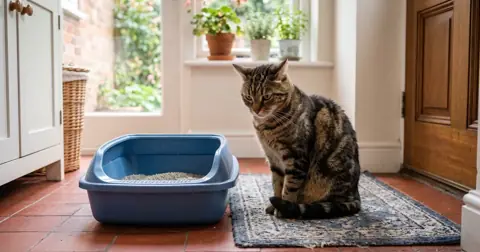
- Toileting outside the litter tray.
If you notice these, call your vet rather than reaching for the medicine cabinet. For stings and minor injuries, see our first aid guide for a cat stung by a bee.
Keeping your cat safe from human medicines
- Store all medicines in closed cupboards, not on bedside tables or kitchen worktops.
- Take tablets over a sink or table, so you'll notice if one drops.
- Don't leave pill organisers where cats can knock them over.
- Wash your hands after applying medicated creams or gels, and don't let your cat lick treated skin.
- Tell visitors, cat sitters and family members never to give your cat human medicine, and write it in your cat sitter notes.
- Check our toxic plant and food checker for other common household dangers.
Other common cat poisons in UK homes
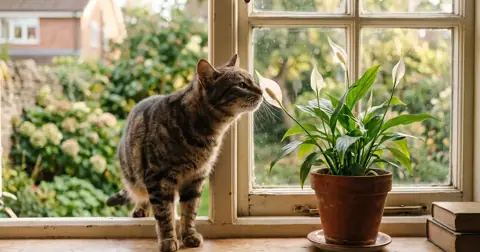
Paracetamol is one of the most serious, but not the only, household poison for cats. Others include lilies (every part, including pollen), antifreeze, dog flea treatments containing permethrin, essential oils, slug pellets and rat poison. If you think your cat has been poisoned by anything, contact your vet immediately and take the packet or plant with you.
What if I've already given my cat paracetamol?
Please don't panic, and don't wait to see if symptoms develop. Many owners give paracetamol with the best intentions, not knowing it's dangerous. Ring your vet straight away: prompt treatment, ideally before signs appear, gives your cat the best chance. Be honest about the amount and time, as it helps your vet treat your cat correctly. Vets see these cases regularly and will focus entirely on helping your cat, not on judging you.
FAQs
Can you give a cat paracetamol for pain?
No. Paracetamol is one of the most dangerous human medicines for cats. Cats lack the liver enzymes needed to process it, so it builds up and damages red blood cells and the liver. Even a small amount can be fatal. If your cat is in pain, contact your vet, who can prescribe cat-safe pain relief.
Can cats have Calpol?
No. Calpol contains paracetamol, which is toxic to cats in any form, including liquid suspensions designed for babies and children. Never give Calpol to a cat.
How much paracetamol is toxic to a cat?
There is no safe dose. Poisoning has been reported with much less than a single adult tablet. Treat any amount swallowed by a cat as an emergency.
Can you give cats ibuprofen?
No. Ibuprofen can cause stomach ulcers, bleeding and kidney failure in cats, even at low doses. Aspirin, naproxen and other human anti-inflammatories are also dangerous for cats unless specifically prescribed by a vet.
What are the symptoms of paracetamol poisoning in cats?
Signs can start within a few hours and include brown, grey or blue-tinged gums, difficulty breathing, a swollen face and paws, drooling, vomiting, weakness, dark urine and collapse. Liver damage can follow. It's an emergency.
What can I give my cat for pain at home?
Nothing from your medicine cabinet. Only give pain relief prescribed by your vet for your cat, such as meloxicam at the correct dose. Keep your cat warm and comfortable and contact your vet for advice.
Sources and further reading
This guide is for general information only and is not a substitute for advice from a vet. Medicines, doses and costs change: always follow your vet and the product leaflet. If your cat is unwell or you think it has eaten something toxic, contact your vet or an emergency vet straight away.