Why is my cat drooling? Causes and when to worry
If you're asking why is my cat drooling, the answer may be simple: some cats dribble when they're happy and purring on your lap. But sudden, thick or excessive drooling can be a sign of dental pain, something stuck in the mouth, nausea or poisoning. This guide helps you tell the difference and know when to call the vet.
Quick answer
- Drooling when purring or being stroked is common and usually harmless.
- Sudden or excessive drooling, thick or bloody saliva, or drooling with pawing at the mouth needs a vet check.
- Common causes include dental disease, mouth ulcers, nausea and something stuck in the mouth, such as string under the tongue.
- Drooling after licking a plant, flea product or toad can mean poisoning: call a vet straight away.
Normal drooling: happy cats and purring
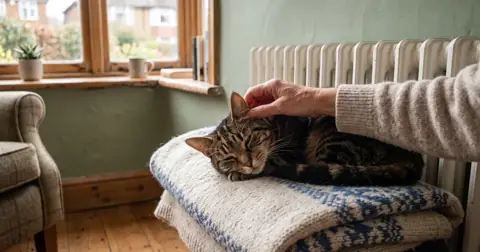
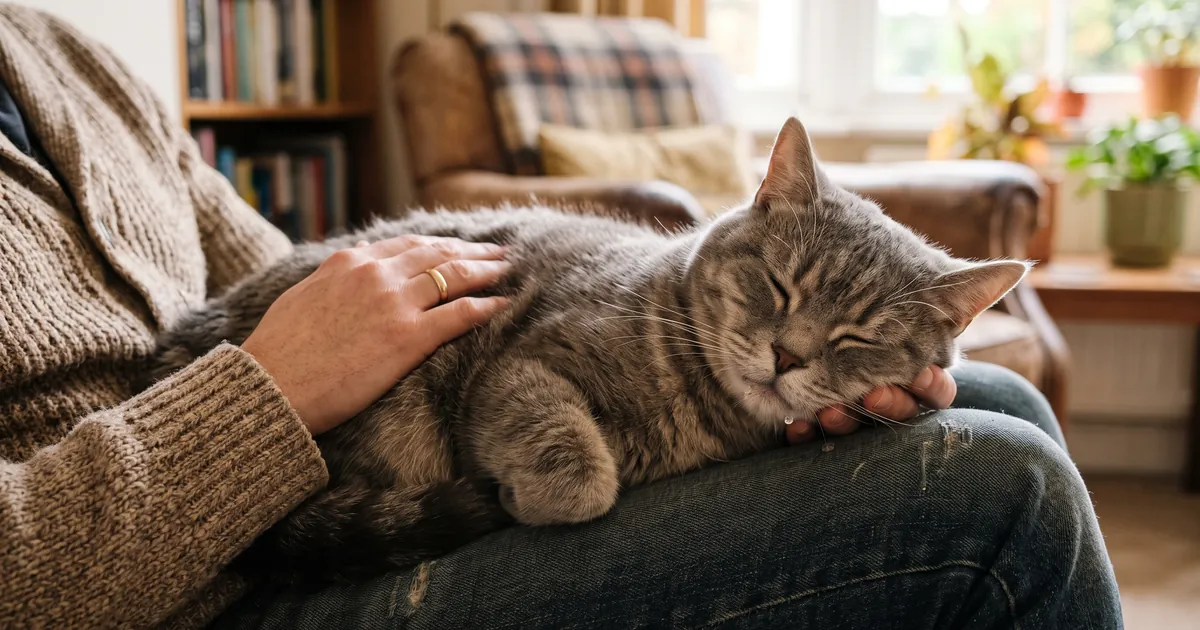
Many owners first notice their cat drooling while it's curled on their lap, purring loudly and kneading with its paws. This kind of drooling is usually completely normal. Cats knead their mother's belly as kittens to stimulate milk flow, and the relaxed, contented feeling can trigger salivation into adulthood.
Happy drooling is usually:
- Clear and watery, not thick, brown or bloody.
- Only seen during cuddles, stroking or kneading.
- In a cat that's eating, grooming and behaving normally.
If this describes your cat, you don't need to do anything except keep a towel handy.
Why is my cat drooling suddenly? Common causes
| Cause | Other signs | How urgent |
|---|---|---|
| Contentment while purring | Relaxed, kneading, otherwise well | Not urgent |
| Dental disease or gum inflammation | Bad breath, red gums, dropping food, chewing on one side | Vet within days |
| Mouth ulcers (cat flu, kidney disease) | Reluctance to eat, sneezing, bad breath | Vet within 1–2 days |
| Something stuck in the mouth (string, bone, grass) | Pawing at mouth, gagging, mouth open | Same day |
| Nausea | Lip licking, swallowing, vomiting, not eating | Vet if it lasts or recurs |
| Bitter taste (medicine, spot-on, toad) | Foaming, head shaking, recent exposure | Call vet if it doesn't settle within an hour |
| Poisoning (plants, chemicals) | Vomiting, wobbliness, tremors | Emergency |
| Stress or fear | Car or vet visit, panting, hiding | Not urgent; settles when calm |
| Heatstroke | Panting, weakness, very hot | Emergency |
| Mouth tumour (older cats) | Swelling, bleeding, weight loss | Vet soon |
Dental disease and mouth pain
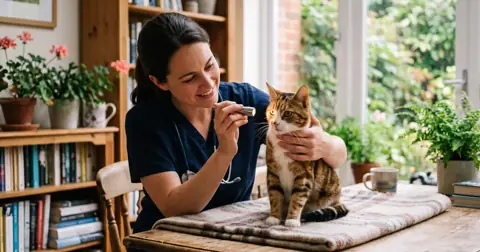
Dental problems are one of the most common reasons adult cats drool. Gingivitis (gum inflammation), tooth resorption (where the tooth breaks down from the inside) and a painful inflammatory condition called stomatitis can all cause excessive salivation. You may also notice:
- Bad breath.
- Red, swollen or bleeding gums.
- Dropping food, chewing on one side or tilting the head while eating.
- A preference for soft food, or hunger but reluctance to eat.
- Pawing at the mouth or a scruffy, ungroomed coat.
Our cat dental chart shows how many teeth cats have and what healthy and diseased teeth look like. Dental treatment under anaesthetic often stops drooling completely.
Something stuck in the mouth
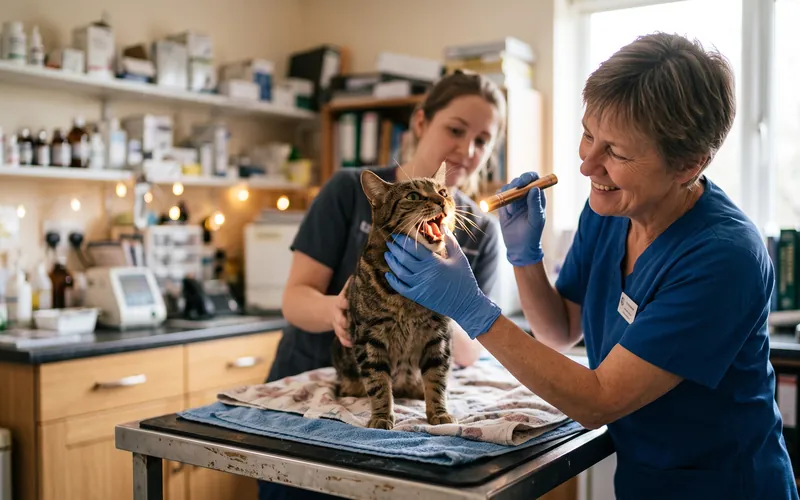
Cats sometimes get a piece of bone, a grass blade, a fish hook or a loop of string or thread caught in their mouth. String often wraps around the base of the tongue and can be swallowed, where it can seriously damage the intestines. If your cat drools, gags, paws at its mouth or keeps its mouth open, look gently inside if it's safe to do so. Never pull on string or thread you find: contact a vet straight away.
Cat drooling and nausea
Cats that feel sick often drool, lick their lips, swallow repeatedly and sit hunched. Nausea can be caused by travel sickness, hairballs, eating too fast, kidney disease, liver disease, hyperthyroidism, pancreatitis or a gut blockage. Occasional mild nausea after eating grass or bringing up a hairball isn't usually serious. See our guide to cat hairball remedies. But repeated nausea, vomiting, weight loss or a poor appetite always needs a vet check.
Bitter tastes and poisoning
Medicines and flea treatments
Licking a spot-on flea treatment or tasting a bitter tablet often makes cats drool or foam dramatically. It looks alarming, but usually settles within an hour. Offer a little tasty food or water to clear the taste, and call your vet if it continues. If you've accidentally used a dog flea product on your cat, treat it as an emergency, because dog products containing permethrin are toxic to cats.
Toads
The common toad secretes a bitter, irritating substance from its skin. A cat that mouths a toad may drool heavily, foam, paw at its mouth and shake its head. Rinse the mouth gently with water if your cat allows it and contact your vet for advice.
Plants and household chemicals
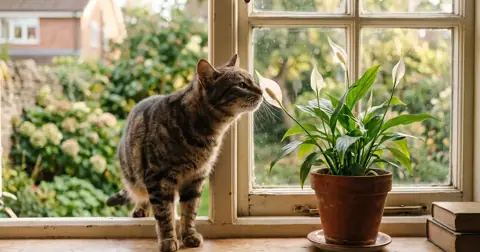
Plants containing oxalate crystals, such as peace lilies, monstera and dieffenbachia, irritate the mouth and cause drooling. True lilies are far more dangerous and can cause kidney failure. Cleaning products, essential oils and liquid potpourri can burn the mouth. Check any plant or product with our toxic plant and food checker, and call a vet immediately if you think your cat has eaten or licked something toxic.
Drooling after a bee or wasp sting
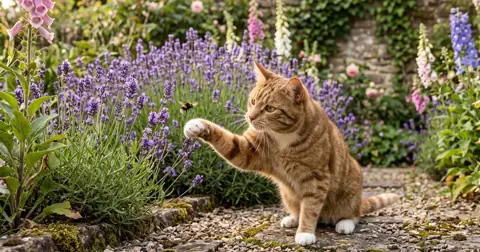
Cats that bite at insects can be stung on the lips, tongue or inside the mouth, causing sudden drooling, pawing and swelling. Swelling in the mouth or throat can affect breathing, so contact a vet straight away. Our guide to a cat stung by a bee explains first aid and the warning signs of an allergic reaction.
Why is my cat drooling thick saliva?
Thick, stringy or foamy saliva usually means something more than contentment. Possible reasons include nausea, mouth pain, dehydration, fear, a bitter taste or poisoning. Check whether your cat is drinking, eating and behaving normally. If thick drool lasts more than a few hours, comes with other signs, or keeps coming back, book a vet appointment.
Drooling in kittens and young cats
Teething kittens (around 3 to 6 months old) can drool a little as adult teeth come through. Kittens with cat flu may drool because of mouth ulcers. Rarely, young cats that drool, seem dull or behave oddly after meals can have a liver shunt, a blood vessel problem that stops the liver filtering toxins properly. Some of these cats also have striking copper-coloured eyes. Your vet can test for this.
What to do if your cat is drooling
- Check for obvious causes: a bitter medicine, a recent spot-on, a toad in the garden, a chewed plant, or a stressful journey.
- Look at the drool: clear or thick? Any blood? Any smell?
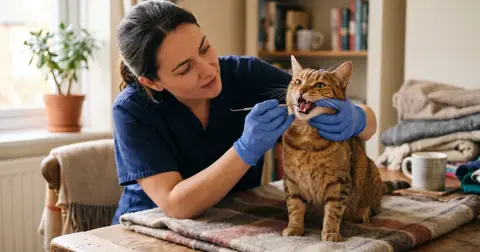
- Look in the mouth, if it's safe, for red gums, broken teeth, ulcers or something stuck.
- Watch for other signs: vomiting, not eating, pawing at the mouth, wobbliness or breathing problems.
- Call your vet if drooling is sudden, heavy, bloody, or comes with other signs, or if you suspect poisoning.
Emergency signs: drooling with difficulty breathing, collapse, seizures, tremors, a swollen face or throat, or after possible contact with lilies, antifreeze, a dog flea treatment or household chemicals. Go to a vet immediately.
How vets find out why a cat is drooling
Your vet will examine the mouth, teeth, gums and throat, check for fever, dehydration and nausea, and ask about any recent exposures. Some cats need sedation or an anaesthetic for a thorough mouth exam, dental X-rays or to remove a foreign object. Blood tests may be recommended to look for kidney disease, liver disease or other illnesses that cause nausea or mouth ulcers. A consultation usually costs £45 to £80, with dental treatment or investigations costing more.
Preventing drooling caused by dental disease
- Brush your cat's teeth with cat toothpaste, ideally daily, starting slowly.
- Ask your vet to check teeth at every annual health check.
- Consider dental diets or treats approved by veterinary dental organisations.
- Book dental treatment promptly when your vet recommends it; early treatment is cheaper and less painful.
FAQs
Why does my cat drool when purring?
Some cats drool when they're very relaxed and happy, especially while being stroked, kneading or sitting on a lap. It's thought to be linked to kittenhood, when kneading and purring went with feeding. If your cat is otherwise eating well and the drool is clear and only appears at these times, it's usually nothing to worry about.
Why is my cat drooling thick saliva?
Thick, stringy or foamy saliva can be caused by nausea, mouth pain, dehydration, stress or tasting something bitter, such as a medicine or flea treatment. If it continues for more than a few hours, or your cat is unwell, see your vet.
Is cat drooling a sign of dental problems?
Yes. Dental disease, inflamed gums, painful tooth resorption and mouth ulcers are some of the most common causes of drooling in adult cats. Other signs include bad breath, dropping food, chewing on one side and pawing at the mouth.
Can cats drool from stress?
Yes. Some cats drool or foam when frightened or stressed, for example during car journeys or vet visits. It usually stops once the cat calms down.
When is cat drooling an emergency?
Contact a vet urgently if drooling is sudden and heavy, if your cat is pawing at its mouth, has bloody saliva, can't close its mouth, is having trouble breathing or swallowing, or may have licked or eaten something toxic such as lilies, a flea product or a toad.
Why is my cat dribbling after taking medicine?
Many cat medicines taste bitter, and cats often drool or foam briefly after tasting them. Offering a little food or water usually helps. Contact your vet if drooling continues for more than an hour or your cat seems unwell.
Sources and further reading
This guide is for general information only and is not a substitute for advice from a vet. Medicines, doses and costs change: always follow your vet and the product leaflet. If your cat is unwell or you think it has eaten something toxic, contact your vet or an emergency vet straight away.