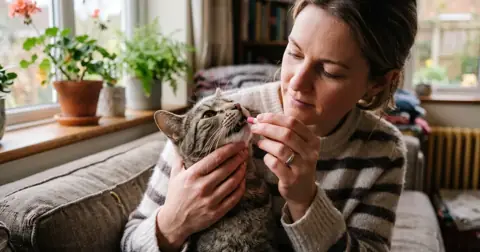
Spot on cat worming: a guide to spot-on wormers for cats
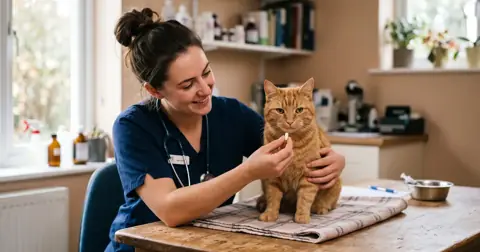
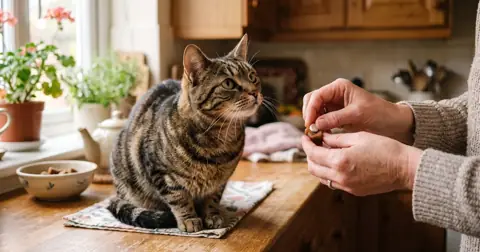
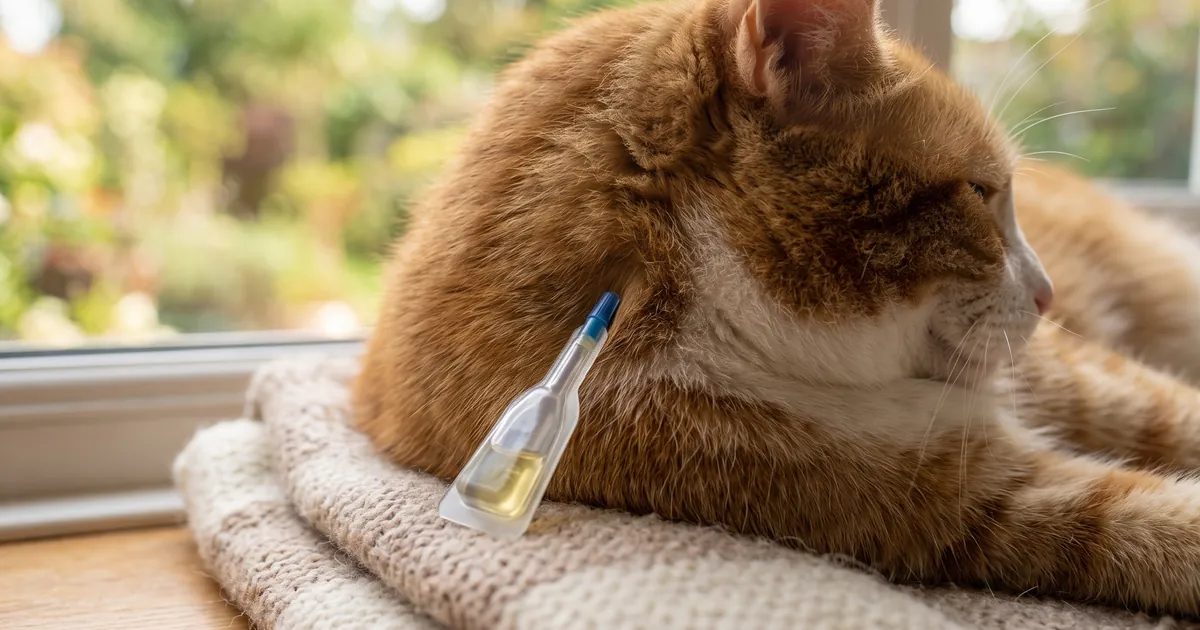
Spot on cat worming is the easiest way to worm a cat that refuses tablets. You simply squeeze a small pipette onto the skin at the back of the neck and the wormer is absorbed into the bloodstream. This guide explains which spot-on wormers cover which worms, how to apply them and how they compare with worming tablets.
Quick answer
- A spot-on wormer is applied to the skin at the base of the skull and absorbed into the body.
- Emodepside + praziquantel spot-ons (Profender, Dronspot) cover roundworm, tapeworm, hookworm and lungworm.
- Some flea spot-ons (Advocate, Stronghold) treat roundworm but not tapeworm.
- Most cats should be wormed at least every 3 months; monthly if they hunt.
How spot-on cat worming works
Spot-on wormers contain drugs that pass through the skin into the bloodstream. From there they reach the gut, where they kill intestinal worms, and in some cases the lungs, where lungworm lives. Because nothing is swallowed, there's no struggle to give a pill and no risk of the cat spitting it out behind the sofa.
Spot-on worming suits cats that won't take tablets, cats with mouth problems, feral or nervous cats, and households where giving tablets is a two-person job. For a full overview of worming, including schedules for every age, see our cat worming guide.
Spot on wormers for cats compared
| Product (active ingredients) | Roundworm | Tapeworm | Lungworm | Fleas | Where to get it |
|---|---|---|---|---|---|
| Profender (emodepside + praziquantel) | Yes | Yes | Yes | No | Usually from vets |
| Dronspot (emodepside + praziquantel) | Yes | Yes | Yes | No | Pharmacies, pet shops (SQP) |
| Droncit spot-on (praziquantel) | No | Yes | No | No | Pharmacies, pet shops |
| Advocate / Prinovox (imidacloprid + moxidectin) | Yes | No | Yes | Yes | Vet prescription |
| Stronghold (selamectin) | Yes | No | No | Yes | Vet prescription |
| Broadline (fipronil, methoprene, eprinomectin, praziquantel) | Yes | Yes | Yes | Yes | Vet prescription |
| NexGard Combo / Felpreva | Yes | Yes | Yes | Yes | Vet prescription |
Read our detailed guides to Dronspot for cats and Advocate for cats for dosing, side effects and costs.
Choosing the right spot-on wormer for your cat
If your cat has fleas or hunts
Choose a spot-on that contains praziquantel, because these cats are at high risk of tapeworm. Dronspot or Profender covers both roundworm and tapeworm. If you'd like fleas covered in the same product, ask your vet about an all-in-one prescription spot-on.
If you already use Advocate or Stronghold
These products already treat roundworm, so you may only need a tapeworm top-up. A praziquantel-only spot-on (Droncit) or tablet covers that gap. Ask your vet how often, because it depends on fleas and hunting.
If your cat coughs or eats slugs, snails or birds
Lungworm is a risk. Emodepside-based spot-ons and moxidectin-based Advocate treat lungworm, so mention any coughing to your vet. Our guide to cat cold symptoms explains other causes of coughing.
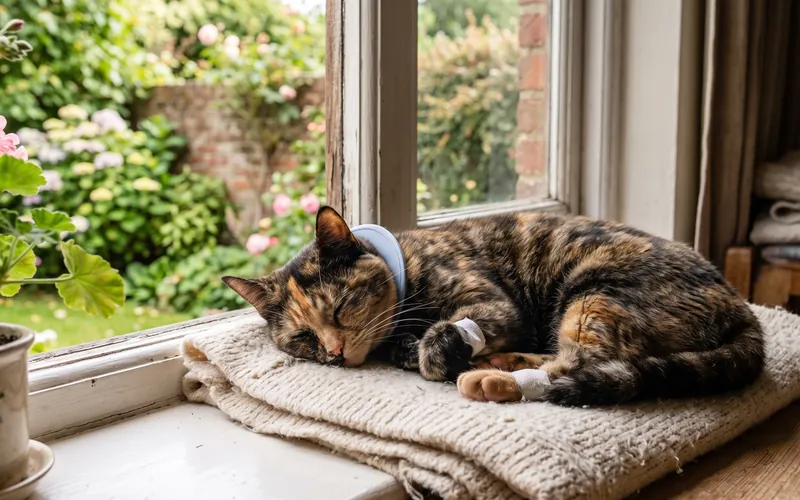
How to apply a spot-on wormer
- Weigh your cat and pick the right pipette. Spot-on wormers come in weight bands, and the correct dose matters.
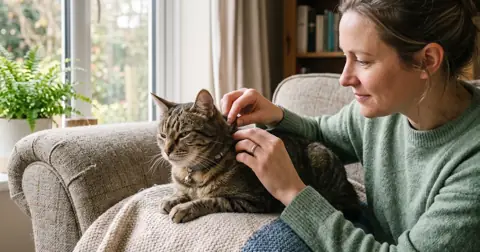
- Choose a calm moment, ideally while your cat is eating or relaxed on your lap.
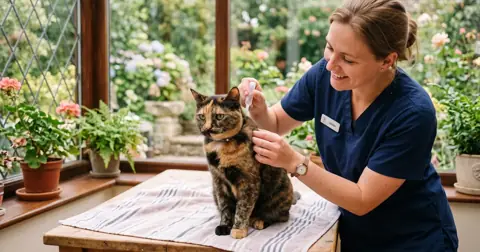
- Part the fur at the base of the skull until you can see skin. This is the one place your cat can't lick.
- Squeeze the pipette firmly so all the liquid goes onto the skin, not the fur.
- Keep the area dry for at least a few hours, and stop other pets licking it.
- Wash your hands and keep children away from the area until it has dried.
- Write down the date and set a reminder for the next dose.
If the cat moves and some liquid runs into the fur, don't apply a second pipette. Note what happened and ask your pharmacist or vet whether to repeat the dose.
How often should you use spot-on cat worming?
| Cat | How often |
|---|---|
| Kittens over 8 weeks (above the product's minimum weight) | Monthly until 6 months |
| Adult outdoor cat | At least every 3 months |
| Adult cat that hunts regularly | Monthly |
| Indoor-only cat that doesn't hunt | 1–4 times a year |
If your cat has fleas, treat them at the same time, otherwise the flea tapeworm will return. Our flea and wormer for cats guide explains how to line up both treatments.
Spot-on wormers vs worming tablets
| Spot-on wormer | Worming tablet | |
|---|---|---|
| Ease of giving | Easy for most cats | Hard for some cats |
| Cost per dose | Usually higher (£5–£10) | Usually lower (£3–£8) |
| Absorption | Through the skin | Through the gut |
| Risk with children and pets | Avoid touching until dry | None after swallowing |
| Affected by vomiting | No | Yes, if vomited soon after |
| Kittens | Usually from 8 weeks | Some from 6 weeks or 0.5 kg |
Both work well. The best wormer is the one you can give correctly and on time. If you'd like to try tablets again, our guide to how to give a cat a pill and our comparison of cat worming tablets can help.
Spot-on cat worming for kittens and pregnant cats
Most spot-on wormers are licensed for kittens from 8 weeks of age and around 0.5 kg or 1 kg, depending on the product. Kittens younger than this are usually wormed with a liquid, paste or granules. Some products can be used in pregnant and nursing cats, while others cannot, so always ask your vet first. Worming the mother before and after birth helps protect her kittens from roundworm passed in her milk.
Spot-on worming for nervous, feral and multi-cat households
Spot-ons are especially useful when handling is difficult. For nervous cats, apply the pipette while they are eating, approaching calmly from behind so they barely notice. For feral or community cats that you feed but can't easily handle, ask a local rescue or your vet for advice: some cats can be treated while eating from a bowl, but you must be confident the full dose reaches the skin.
In homes with several cats, worm every cat on the same day so no cat keeps reinfecting the others. Keep cats apart for an hour or so afterwards, because cats that groom each other can lick the product off a companion's neck. If you also have dogs, use a separate dog-licensed wormer for them.
How to tell if spot-on worming has worked
Most of the time you won't see anything, because dead worms are digested. In kittens or cats with a heavy burden you may see worms in the litter tray for a day or two. Signs that the worm problem is under control include no more rice-like tapeworm segments around the bottom, a better appetite, steady weight and a glossier coat. If you keep seeing segments after treatment, check your cat for fleas, as the flea tapeworm returns quickly when fleas are present. Our flea treatment guide explains how to clear them.
Side effects of spot-on wormers
- Temporary greasiness, clumping or hair loss at the application site.
- Itching or redness where the product was applied.
- Drooling or vomiting if the cat or another pet licks it.
- Rarely, wobbliness, trembling or behaviour changes.
Contact your vet if your cat shows neurological signs or seems unwell after any wormer. Don't use spot-on wormers on broken or irritated skin.
Common mistakes with spot-on worming
- Applying to the fur, not the skin. Part the fur fully before squeezing.
- Using a product that misses tapeworm. Check the box: Advocate and Stronghold don't cover it.
- Guessing the weight. Weigh your cat, especially kittens and large breeds. Our cat weight checker shows typical ranges.
- Forgetting the next dose. Set a phone reminder.
- Using a dog wormer. Dog doses and some ingredients are unsafe for cats.
How much does spot on cat worming cost?
A single spot-on wormer for cats usually costs £5 to £10, with multipacks offering better value. Prescription all-in-one spot-ons that also treat fleas cost more per dose but replace two products. For a typical outdoor cat wormed four times a year with a spot-on, expect to spend around £20 to £40 a year on wormers, or more for monthly worming of a keen hunter.
FAQs
Do spot-on wormers for cats work as well as tablets?
Yes. Spot-on wormers containing emodepside and praziquantel are absorbed through the skin and kill the same worms as broad-spectrum tablets. They are a good choice for cats that are difficult to pill, as long as you apply them correctly to the skin.
Which spot-on wormer kills tapeworm in cats?
Spot-ons containing praziquantel kill tapeworm. These include Profender and Dronspot (emodepside + praziquantel), Droncit spot-on (praziquantel only) and some prescription all-in-one products such as Broadline, Felpreva and NexGard Combo. Advocate and Stronghold do not kill tapeworm.
How often should I use a spot-on wormer on my cat?
Most adult cats need worming at least four times a year. Cats that hunt regularly should be wormed monthly, especially for tapeworm. Kittens need more frequent treatment. Follow the product leaflet and your vet's advice.
Can I stroke my cat after spot-on worming?
Avoid stroking the application site until it is completely dry, and keep children from touching it for a few hours. Some leaflets advise children shouldn't play with the cat until the area is dry. Wash your hands if you touch it.
Can kittens have spot-on wormers?
Many spot-on wormers are licensed from 8 weeks of age and around 0.5 kg. Younger kittens are usually wormed with liquids, pastes or granules. Check the leaflet and ask your vet.
What if my cat licks the spot-on wormer?
Licking can cause drooling, retching or vomiting because of the bitter taste, and some ingredients can cause wobbliness or tremors if swallowed. Apply it at the base of the skull and keep cats apart until it is dry. Call your vet if your cat seems unwell.
Sources and further reading
This guide is for general information only and is not a substitute for advice from a vet. Medicines, doses and costs change: always follow your vet and the product leaflet. If your cat is unwell or you think it has eaten something toxic, contact your vet or an emergency vet straight away.