Can cats eat pork? What's safe and what isn't
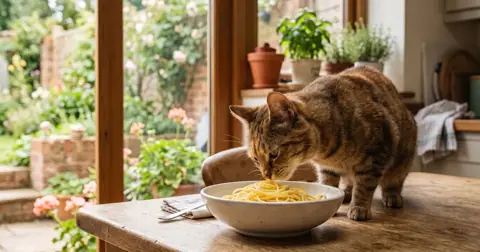
Can cats eat pork? Yes, in small amounts, as long as it's plain, lean and thoroughly cooked. Pork is a good source of protein, and it's used in some commercial cat foods. But raw pork, fatty cuts, crackling and processed pork such as ham, bacon, sausages and salami can make cats ill. Here's how to share pork safely and how much is too much.
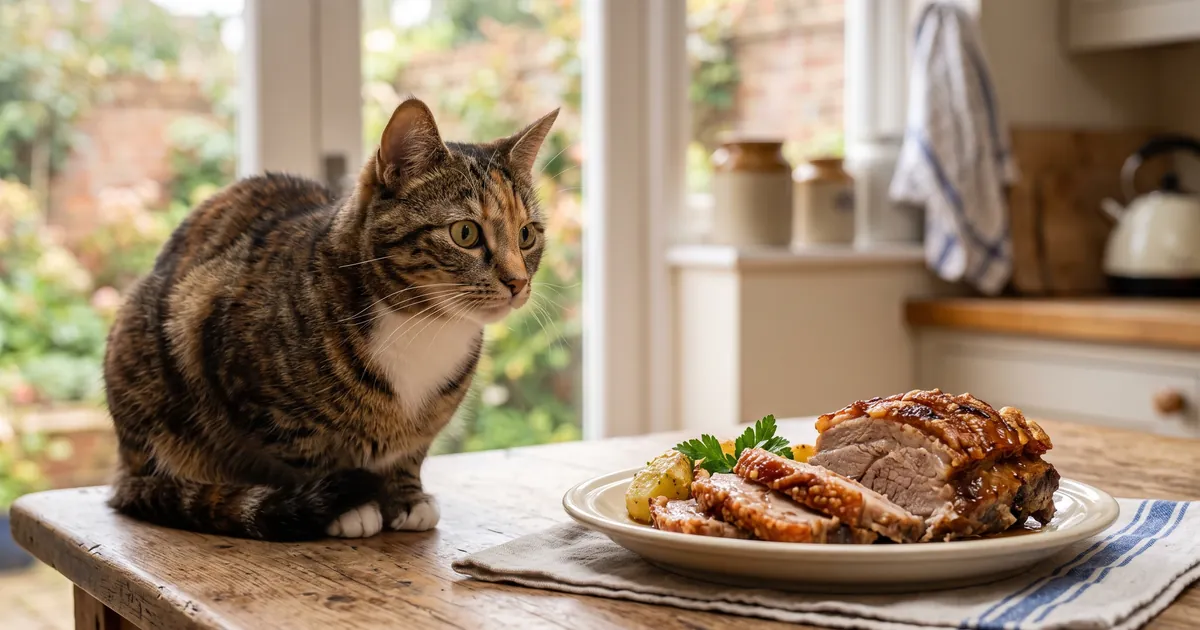
Quick answer
- Plain, lean, well-cooked pork is safe as an occasional treat.
- Avoid raw pork: it can carry bacteria and parasites.
- Ham, bacon, sausages, salami, chorizo and pepperoni are too salty and fatty, and may contain onion or garlic.
- Treats, including pork, should make up no more than 10% of your cat's daily calories.
Can cats eat pork? The quick answer
Cats are obligate carnivores, which means they need nutrients found in meat. Pork can be part of a healthy diet when it's included in a complete commercial cat food, and small pieces of plain cooked pork make a tasty treat. The problems come from how pork is usually prepared for people: seasoned, salted, cured, fatty or cooked with onion and garlic.
| Type of pork | Safe for cats? | Why |
|---|---|---|
| Plain, lean, cooked pork (e.g. loin, tenderloin) | Yes, in small amounts | Good protein; no harmful seasonings |
| Pork in complete cat food | Yes | Balanced for cats |
| Raw pork | No | Bacteria and parasite risk |
| Pork fat, crackling and skin | No | Too fatty; can cause vomiting, diarrhoea and pancreatitis |
| Ham | Not recommended | Very salty and cured |
| Bacon | Not recommended | Very salty and fatty |
| Sausages | No | Salt, fat, and often onion or garlic |
| Salami, chorizo, pepperoni | No | Salt, fat, spices, garlic |
| Pulled pork, pork with sauce or gravy | No | Sugar, salt, onion and garlic in sauces |
| Pork bones | No | Cooked bones splinter |
Benefits of plain cooked pork
Plain cooked pork provides high-quality protein, B vitamins and minerals. Many cats love the taste, so a small piece can be useful for:
- Hiding a tablet. See our guide on how to give a cat a pill.
- Rewarding good behaviour or training.
- Tempting a fussy eater, with your vet's agreement.
Pork isn't a complete diet on its own. Cats need specific amounts of taurine, vitamin A, arachidonic acid, calcium and other nutrients, so treats should only be a small part of the diet.
Why raw pork is risky
Raw pork can carry:
- Bacteria such as salmonella, E. coli and listeria, which can make cats and the people handling the meat ill.
- Parasites such as Toxoplasma, which cats can then shed in their faeces.
- Viruses: raw pork has historically been linked to Aujeszky's disease (pseudorabies), which is fatal in cats. It has been eradicated from UK commercial pigs, but it's another reason to cook pork from unknown sources.
If you feed a raw diet, use commercially prepared complete raw food made for pets, handled hygienically. Our cat worming guide explains why raw-fed cats may need more frequent worming.
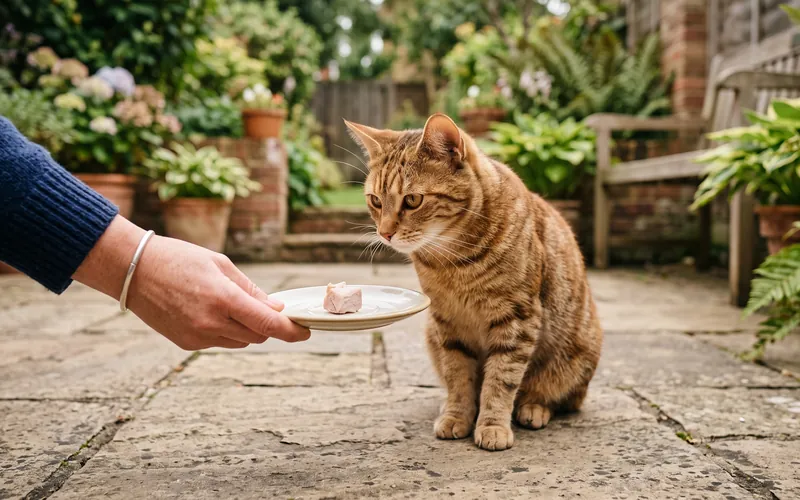
Processed pork: ham, bacon and sausages
Processed pork products are designed for human taste, not cat health:
- Salt: cured meats contain a lot of salt. Too much can cause vomiting, diarrhoea, thirst and, in large amounts, salt poisoning.
- Fat: bacon, sausages and crackling are high in fat, which can trigger vomiting, diarrhoea and pancreatitis, a painful inflammation of the pancreas.
- Onion and garlic: common in sausages, stuffing, gravy and seasoning mixes. They damage cats' red blood cells, even in powdered form. Check our toxic food and plant checker.
- Spices: paprika and chilli in chorizo and pepperoni can irritate the stomach.
- Preservatives and sugar in cured and glazed products.
A tiny piece of ham that falls on the floor is unlikely to harm a healthy adult cat, but these foods shouldn't be given as treats.
How to prepare pork for your cat
- Choose a lean cut, such as tenderloin or loin, with fat trimmed off.
- Cook it thoroughly (boiled, steamed or baked) with no oil, butter, salt, herbs, onion, garlic or sauces.
- Remove all bones, skin and fat.
- Let it cool and cut it into small, bite-sized pieces.
- Offer a small amount and watch for any stomach upset.
How much pork can a cat eat?
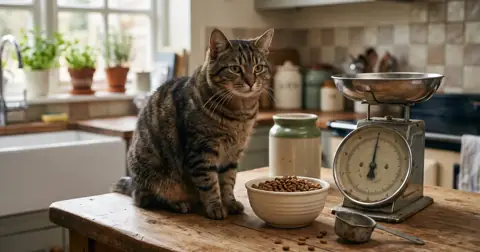
Treats of any kind should make up no more than about 10% of your cat's daily calories. For an average adult cat, that's roughly 20 to 25 kcal a day, which is about 10 to 15 g of plain cooked lean pork, a few small cubes. Give it occasionally, not every day, and reduce your cat's main meal slightly on days it has treats. Our cat food calculator shows your cat's daily calorie needs.
Signs pork has upset your cat
- Vomiting or diarrhoea.
- Reduced appetite or lethargy.
- Excessive thirst (after salty pork).
- A painful, hunched tummy, which can be a sign of pancreatitis.
Contact your vet if your cat vomits repeatedly, seems in pain, stops eating or has eaten something containing onion or garlic.
Pork at Christmas, Sunday lunch and barbecues
Cats are most likely to get hold of pork at family meals and parties. The riskiest foods are the ones cats find most tempting:
- Pigs in blankets and sausages: salty, fatty and often seasoned with onion.
- Roast pork with crackling: the crackling and fat are too rich.
- Stuffing: usually made with onion and herbs, which are toxic to cats.
- Barbecue ribs and pulled pork: sugary, salty sauces and cooked bones.
- Gravy: often contains onion, garlic and stock cubes high in salt.
Keep plates out of reach, scrape leftovers into a lidded bin, and ask guests not to feed your cat from the table. If you want your cat to join in, set aside a few pieces of plain meat before you add any seasoning.
What if my cat ate a sausage or stuffing?
A small bite of sausage is unlikely to cause serious harm, but watch for vomiting or diarrhoea. If your cat has eaten a larger amount, or food containing onion or garlic (such as stuffing or gravy), call your vet for advice. Onion and garlic poisoning can take a few days to show, with weakness, pale gums or red-brown urine, so don't wait for signs to appear. Tell your vet roughly how much your cat ate and what was in it.
Pork or chicken: which is the better treat?
Both are fine when plain and cooked. Plain chicken breast is usually leaner and gentler on the stomach, which makes it a popular choice for cats recovering from a stomach upset. Lean pork is a good alternative for variety, or for cats that are allergic to chicken. Whatever you choose, keep portions small.
Can kittens eat pork?
Kittens need a complete kitten food for growth. A tiny piece of plain cooked pork as an occasional treat is fine, but avoid giving kittens rich or fatty foods, which upset their sensitive stomachs more easily.
Pork allergies in cats
Food allergies in cats are most often linked to common proteins such as chicken, beef and fish, but any protein, including pork, can trigger a reaction in some cats. Signs include itchy skin, over-grooming, vomiting and diarrhoea. If you notice these after introducing pork, stop and speak to your vet.
Is pork in cat food safe?
Yes. Some complete cat foods use pork as a protein source, and it's prepared safely and balanced with all the nutrients your cat needs. Pork-based diets are sometimes used for cats with allergies to more common proteins, as part of a diet trial supervised by a vet.
Other meats cats can and can't eat
| Food | Safe as a treat? |
|---|---|
| Plain cooked chicken or turkey (no skin or bones) | Yes |
| Plain cooked lean beef or lamb | Yes, in small amounts |
| Plain cooked white fish or salmon (boneless) | Yes, occasionally |
| Liver | Small amounts only: too much vitamin A |
| Cooked bones | No |
| Fat trimmings and skin | No |
| Raw meat or fish (not commercial pet raw food) | No |
| Dog food | Not as a regular food: see can cats eat dog food |
For any food you're unsure about, use our checker or ask your vet.
FAQs
Can cats eat cooked pork?
Yes. Plain, lean pork that has been cooked thoroughly, without seasoning, sauces, onion or garlic, is safe for most cats in small amounts. Remove fat, skin and bones, and cut it into small pieces.
Can cats eat raw pork?
It's best not to. Raw pork can carry bacteria such as salmonella and parasites such as Toxoplasma, and historically has been linked to a fatal viral disease in cats. Cook pork thoroughly before sharing it.
Can cats eat ham?
Only a tiny piece occasionally, if at all. Ham is cured with lots of salt and often contains preservatives, sugar or flavourings. Plain cooked pork is a much better choice.
Can cats eat bacon?
Bacon is very high in salt and fat, which can upset a cat's stomach and, over time, contribute to weight gain and pancreatitis. A tiny piece is unlikely to harm, but it isn't a good treat.
Can cats eat sausages, salami, chorizo or pepperoni?
No. These are high in salt and fat and are often seasoned with garlic, onion, paprika or chilli. Garlic and onion are toxic to cats, and spicy seasonings can cause stomach upsets.
Can cats eat pork bones?
No. Cooked bones splinter easily and can cause choking, mouth injuries or a blockage or tear in the gut. Never give cooked bones to cats.
Sources and further reading
This guide is for general information only and is not a substitute for advice from a vet. Medicines, doses and costs change: always follow your vet and the product leaflet. If your cat is unwell or you think it has eaten something toxic, contact your vet or an emergency vet straight away.