Can cats eat ice cream? Why it's best avoided
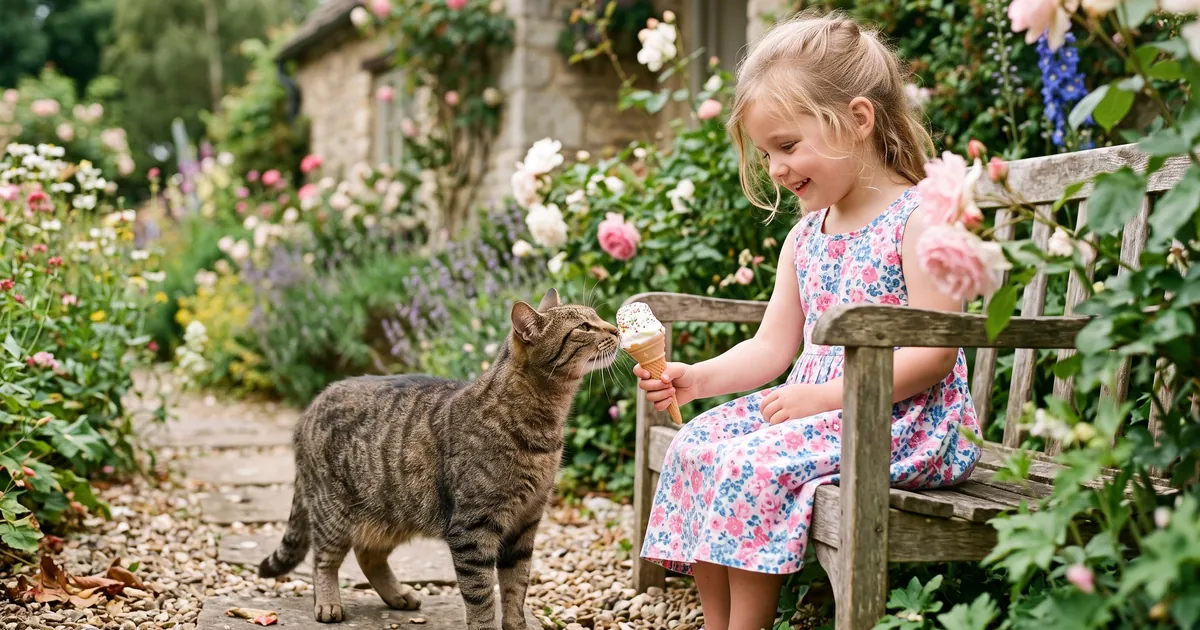
Can cats eat ice cream? A tiny lick of plain vanilla ice cream won't usually harm a cat, but it isn't a good treat. Most adult cats can't digest lactose properly, so dairy often causes diarrhoea and stomach upset, and ice cream is full of sugar and fat. Some flavours, such as chocolate, coffee, rum and raisin and sugar-free varieties, can be dangerous. Here's why, and what to offer instead.
Quick answer
- Most adult cats are lactose intolerant: dairy can cause diarrhoea, wind and vomiting.
- Ice cream is high in sugar and fat, which cats don't need.
- Dangerous flavours: chocolate, coffee, rum and raisin, alcohol and sugar-free (xylitol).
- Try frozen cat treats, lactose-free cat milk ice cubes or frozen wet food instead.
Can cats eat ice cream? The short answer
Ice cream isn't poisonous in itself, but it isn't suitable for cats. It's made mainly from milk, cream and sugar. Cats can't taste sweetness, don't need sugar, and most adults struggle to digest the lactose in milk. A lick from a spoon is unlikely to cause more than a mild upset, but regular ice cream treats can lead to stomach problems and weight gain, and some flavours are genuinely dangerous.
Why most cats are lactose intolerant
Kittens produce lactase, the enzyme that digests lactose (milk sugar), so they can digest their mother's milk. After weaning, most cats produce much less lactase. When they eat dairy, undigested lactose passes into the large intestine, where bacteria ferment it, causing:
- Diarrhoea, usually 8 to 12 hours later.
- Wind and gurgling stomach.
- Vomiting or tummy discomfort.
Some cats tolerate small amounts of dairy better than others, but there's no way to tell without them being ill afterwards.
Ice cream flavours that are dangerous for cats
| Flavour or ingredient | Risk |
|---|---|
| Chocolate, cocoa, chocolate chips | Toxic (theobromine and caffeine): vomiting, restlessness, fast heart rate, tremors |
| Coffee, mocha, tiramisu | Caffeine: restlessness, fast heart rate, tremors |
| Rum and raisin | Raisins (possible kidney risk) and alcohol |
| Alcohol-flavoured ice creams | Alcohol poisoning |
| Sugar-free (xylitol and other sweeteners) | Dangerous for dogs; best avoided for cats |
| Macadamia, nut and praline | Fatty; macadamias are toxic to dogs and best avoided |
| Plain vanilla | Not toxic, but lactose, sugar and fat cause upsets |
Check any food with our toxic food and plant checker.
Why do cats like ice cream?
Cats lack the taste receptors for sweetness, so they aren't attracted by sugar. They're drawn to the fat and protein in cream, which smells and tastes rich to them, and to the creamy texture. That's why many cats will also try to lick butter, yoghurt and cream from plates.
What to do if your cat eats ice cream
- Check the flavour and ingredients on the tub.
- Call your vet straight away if it contained chocolate, coffee, raisins, alcohol, xylitol or other sweeteners.
- For plain flavours, offer fresh water and keep an eye on your cat for the next 24 hours.
- Watch for diarrhoea or vomiting. Mild symptoms usually settle within a day.
- Contact your vet if vomiting or diarrhoea is severe, lasts more than 24 hours, contains blood, or your cat seems lethargic or stops eating.
Safe alternatives to ice cream for cats
- Frozen cat treats: some pet shops sell lactose-free frozen treats made for cats.
- Cat milk ice cubes: freeze lactose-reduced cat milk in an ice cube tray and offer one to lick on a hot day.
- Frozen wet food: freeze small portions of your cat's usual wet food or a squeezy cat treat paste.
- Frozen broth: plain, unsalted chicken broth made without onion or garlic, frozen in cubes.
- A little plain cooked chicken, chilled from the fridge, as a cool-day treat.
- A lick mat with a thin layer of frozen wet food (see below).
Count all treats as part of your cat's daily calories; our cat food calculator helps you keep portions in check.
Homemade "ice cream" treats for cats
You can make simple frozen treats at home that are safe and fun on a warm day:
Frozen chicken broth bites
- Simmer a plain, boneless chicken breast in water with no salt, onion, garlic or stock cubes.
- Remove the chicken (shred a little to add back), and let the broth cool.
- Pour into an ice cube tray or silicone mould, add a few shreds of chicken, and freeze.
- Offer one cube at a time in a shallow bowl and let your cat lick it as it melts.
Frozen wet food lick mat
Spread a thin layer of your cat's usual wet food or a squeezy treat paste on a lick mat and freeze it for an hour. It keeps your cat busy, cools it down and counts as part of a normal meal.
Cat milk lollies
Freeze lactose-reduced cat milk in small portions. Because it still contains calories, keep these as an occasional treat.
Why cats can't taste sweet things
Research has shown that cats have a faulty version of one of the genes needed to make the sweet taste receptor, so they can't detect sweetness at all. This makes sense for a carnivore that eats almost no sugar in the wild. It means the sugar in ice cream is wasted calories for your cat; it's the fat that's tempting.
Keeping your cat cool in summer
If you're thinking of ice cream as a way to cool your cat down, these work much better:
- Several bowls of fresh water around the home, plus a water fountain.
- Ice cubes added to water bowls.
- Shady spots indoors and out, and access to cool floors such as tiles.
- A damp (not wet) cloth to gently stroke over your cat's fur.
- Keeping curtains closed during the hottest part of the day.
- Sun protection for white-eared cats: keep them inside at midday.
Heatstroke is an emergency. Signs include panting, drooling, restlessness, red gums, vomiting, wobbliness and collapse. Move your cat somewhere cool, wet its fur with cool (not ice-cold) water and contact a vet immediately. Flat-faced breeds and older cats are most at risk.
Can cats drink milk?
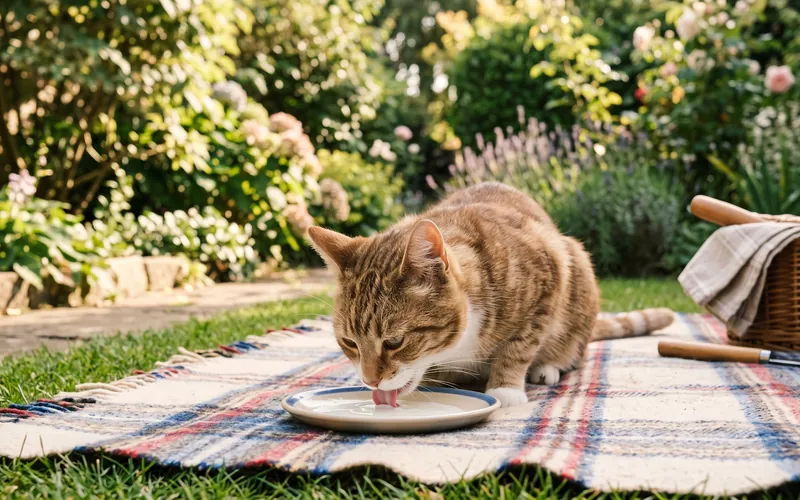
The image of a cat lapping a saucer of milk is a classic, but most adult cats are lactose intolerant, so cow's milk often causes diarrhoea. Cream has less lactose but a lot of fat. Lactose-reduced cat milk, sold in pet shops and supermarkets, is a safer occasional treat. Cats get all the fluid they need from water and their food.
Other dairy foods
| Food | Safe for cats? |
|---|---|
| Cat milk (lactose-reduced) | Yes, occasionally |
| Cow's milk | Not recommended |
| Cream and whipped cream | Small lick only: high fat |
| Plain natural yoghurt | Small amounts may be tolerated |
| Cheese | Tiny pieces only: high fat and salt |
| Butter | Not recommended |
| Custard | Not recommended: sugar and dairy |
Ice cream and overweight or diabetic cats
For cats that are overweight or diabetic, ice cream is a particularly poor choice. A single tablespoon of ordinary ice cream contains around 30 to 40 kcal, which is a large slice of a small cat's daily allowance, and the sugar can upset blood glucose control in diabetic cats. Stick to treats your vet has approved.
Kittens and ice cream
Kittens shouldn't have ice cream at all. Their digestive systems are sensitive, and they need a complete kitten food packed with protein and nutrients for growth. Orphaned kittens need a proper kitten milk replacer from a pet shop or vet, never cow's milk or cream.
The bottom line
Ice cream is a human treat. If your cat sneaks a lick of plain vanilla, it'll probably be fine, though it may have an upset stomach. Keep chocolate, coffee, raisin, alcohol and sugar-free flavours well out of reach, and offer cat-safe frozen treats instead. For more people foods that are and aren't safe, read our guides to whether cats can eat pasta, pork and dog food.
FAQs
Can cats have ice cream?
A small lick of plain vanilla ice cream is unlikely to cause serious harm, but it isn't recommended. Most adult cats are lactose intolerant, and ice cream's sugar and fat can upset their stomachs. Some flavours are toxic. Cat-safe frozen treats are a better choice.
What happens if my cat eats ice cream?
Many cats develop diarrhoea, wind, tummy rumbles or vomiting within 8 to 12 hours of eating dairy. These signs usually pass within a day. If your cat ate chocolate, coffee, raisin, alcohol or sugar-free ice cream, contact your vet straight away.
Is ice cream toxic to cats?
Plain ice cream isn't toxic, just hard to digest. But ingredients in some flavours are toxic: chocolate and coffee contain caffeine-like substances, raisins may affect the kidneys, alcohol is dangerous, and xylitol in sugar-free products is best avoided.
Why do cats like ice cream?
Cats are attracted to the fat and protein in dairy, and to the creamy texture. They can't taste sweetness, so it's the fat, not the sugar, that draws them in.
Can kittens have ice cream?
No. Kittens have sensitive stomachs, and ice cream offers nothing they need. Kittens should have their mother's milk or a kitten milk replacer while young, then a complete kitten food.
Is cat milk better than ice cream?
Yes. Cat milk is lactose-reduced and made for cats, so it's much less likely to cause stomach upset. It still contains calories, so offer it only as an occasional treat.
Sources and further reading
This guide is for general information only and is not a substitute for advice from a vet. Medicines, doses and costs change: always follow your vet and the product leaflet. If your cat is unwell or you think it has eaten something toxic, contact your vet or an emergency vet straight away.